Umar, Sharjeel move SC for bail
Source Entity
AMIT ANAND CHOUDHARY
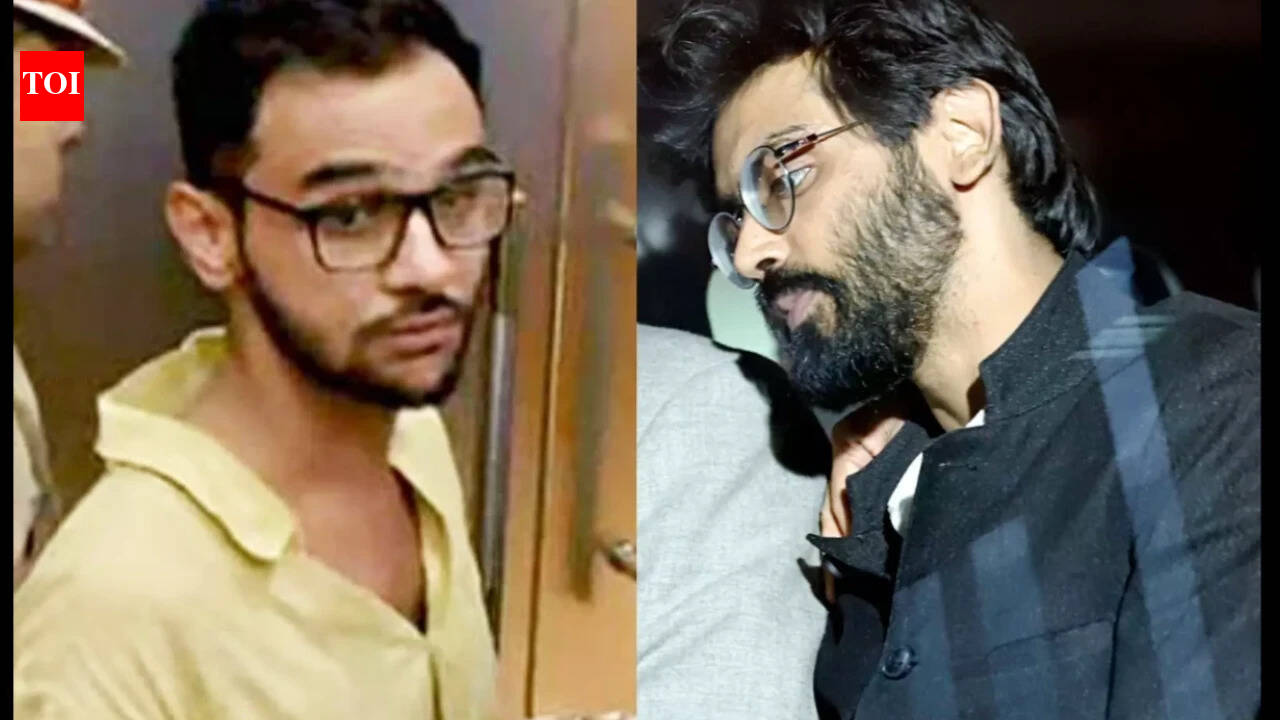
Sharjeel Imam and Umar Khalid have approached the Supreme Court of India seeking bail in connection with their ongoing legal cases. The petitions mark a significant development in the judicial proceedings surrounding the 2020 Delhi riots investigations.
Legal Developments in the 2020 Delhi Riots Cases
The Supreme Court Petition
Recent reports indicate that Sharjeel Imam and Umar Khalid have moved the Supreme Court of India to seek bail. This judicial maneuver comes as a critical juncture in the long-standing legal proceedings stemming from the 2020 Delhi riots. Both individuals have been central figures in investigations conducted under the Unlawful Activities (Prevention) Act (UAPA), which has drawn significant attention from legal scholars, human rights organizations, and the judiciary alike.
Contextualizing the Judicial Process
The legal journey of these individuals has been marked by prolonged incarceration and complex procedural hurdles. By escalating their bail pleas to the Supreme Court, the petitioners are seeking to challenge the lower court rulings that have previously denied them relief. This step highlights the exhaustion of remedies in lower courts and underscores the high stakes involved in cases where national security charges are invoked alongside public order concerns.
The Role of UAPA in Modern Litigation
The invocation of the UAPA in the context of the 2020 Delhi riots has remained a subject of intense debate regarding the balance between state security and individual civil liberties. The Supreme Court's intervention in such matters often sets precedents for how lower courts interpret bail provisions under stringent anti-terror laws. Legal experts observe that the court's scrutiny in these instances focuses heavily on the evidentiary threshold required to justify pre-trial detention.
Broader Implications for Civil Rights
The petition filed by Imam and Khalid serves as a litmus test for the current judicial climate in India regarding dissent and the right to protest. As these cases proceed, they reflect the broader struggle within the Indian legal system to reconcile the state's duty to maintain public order with the fundamental rights of citizens to freedom of speech and association. The outcome of these bail hearings will likely influence how similar cases are handled in the future.
Historical and Future Outlook
Historically, the Delhi riots of February 2020 remain a sensitive and defining moment in recent Indian history. The ongoing litigation continues to shape the discourse around the events of that period. Looking ahead, the Supreme Court's decision will be closely monitored, as it will inevitably serve as a benchmark for the duration of pre-trial detention for individuals charged under similar legislative frameworks. This case remains a pivotal point in the ongoing evolution of Indian criminal jurisprudence.