Blood sugar spikes after eating: What’s normal and when to worry
Source Entity
The Indian Express
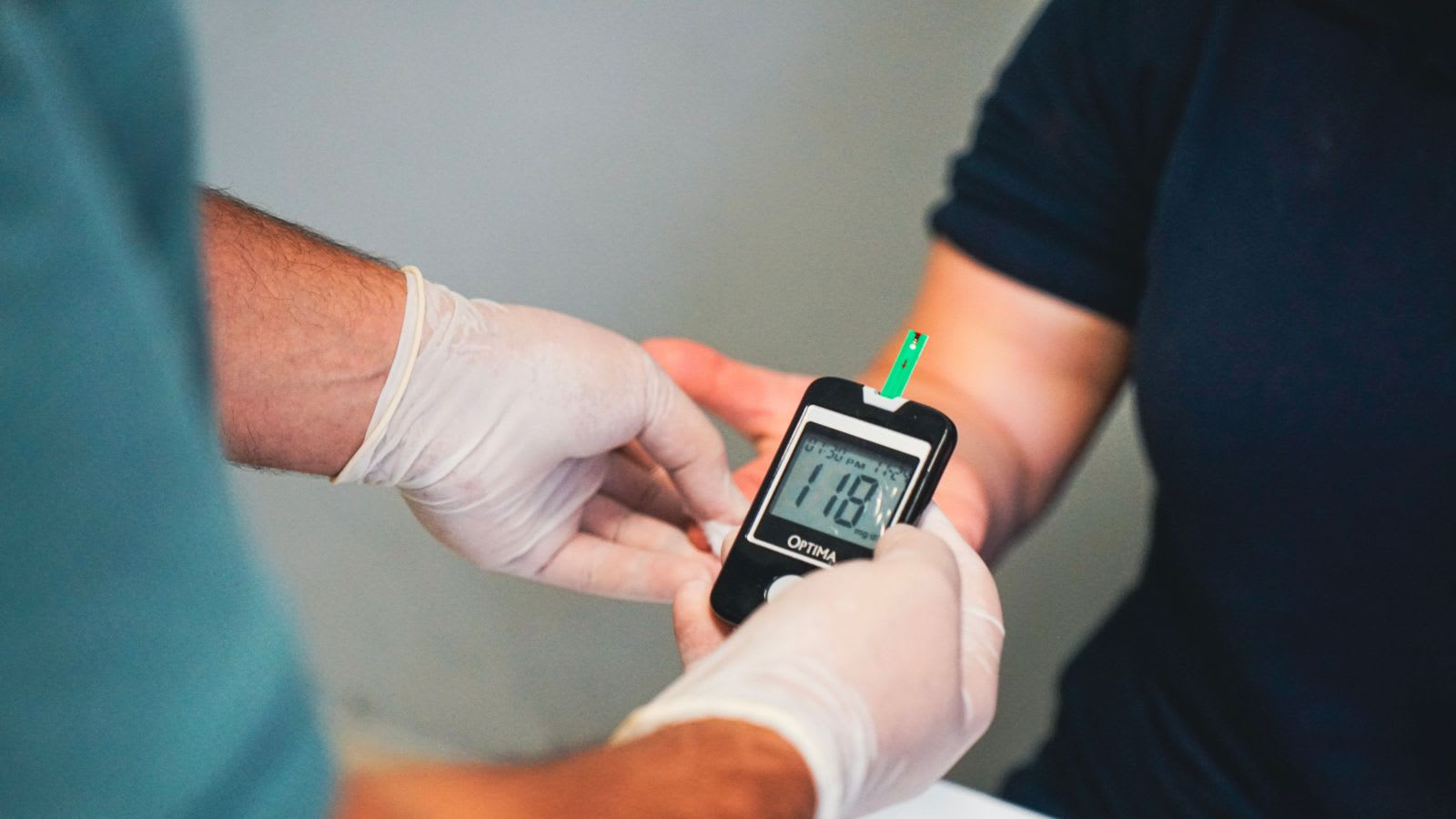
While social media trends often frame post-meal blood sugar spikes as inherently negative, medical experts clarify that a moderate rise is a normal physiological process. The focus should shift from avoiding spikes entirely to monitoring the magnitude and duration of glucose elevation.
Understanding Post-Meal Glucose Dynamics
In the era of digital wellness, social media platforms have increasingly spotlighted glucose monitoring, often framing any post-meal rise in blood sugar as an inherently negative health indicator. However, this narrative often lacks the nuance required to understand human metabolism. Medical professionals emphasize that a rise in blood glucose levels following a meal is not a pathological event, but rather a standard physiological response to caloric intake.
The Mechanics of Glucose and Insulin
To understand why these spikes occur, one must look at the body's digestive process. As Dr. Parul Khurana of RG Hospitals explains, when we consume food—particularly carbohydrates—the body breaks these down into glucose. This glucose enters the bloodstream, signaling the pancreas to release insulin. Insulin acts as a key, allowing cells to absorb the glucose for energy. This sequence of events is a vital, life-sustaining mechanism that facilitates the conversion of food into usable power for the body’s various systems.
Distinguishing Normal Responses from Health Concerns
Because the body is designed to process incoming nutrients, some variation in blood sugar levels throughout the day is completely normal. The misconception that any spike is 'bad' fails to account for the body’s inherent adaptability. Instead of aiming for a flat line in glucose levels, clinical focus should be directed toward three specific factors: the magnitude of the spike, the duration for which the levels remain elevated, and the frequency of these fluctuations.
The Role of Context in Metabolic Health
Concerns regarding blood sugar levels are only warranted when these spikes become extreme or when the body fails to return to a baseline level in a timely manner. Persistent, high-magnitude spikes can indicate metabolic dysfunction, such as insulin resistance or diabetes. However, for a healthy individual, a transient rise followed by a return to baseline is a sign of a functioning, responsive endocrine system.
Moving Beyond Social Media Trends
As glucose monitoring technology becomes more accessible to the general public, the volume of data can often lead to unnecessary anxiety. It is crucial for individuals to interpret their readings through the lens of medical expertise rather than viral health trends. By shifting the conversation from 'avoiding spikes' to 'maintaining metabolic flexibility,' patients can better collaborate with their healthcare providers to achieve genuine health outcomes rather than chasing arbitrary targets that do not reflect their individual physiology.