UNESCO expert committee seeks stronger community participation in Hampi conservation
Source Entity
India Latest News: Top National Headlines Today & Breaking News | The Hindu
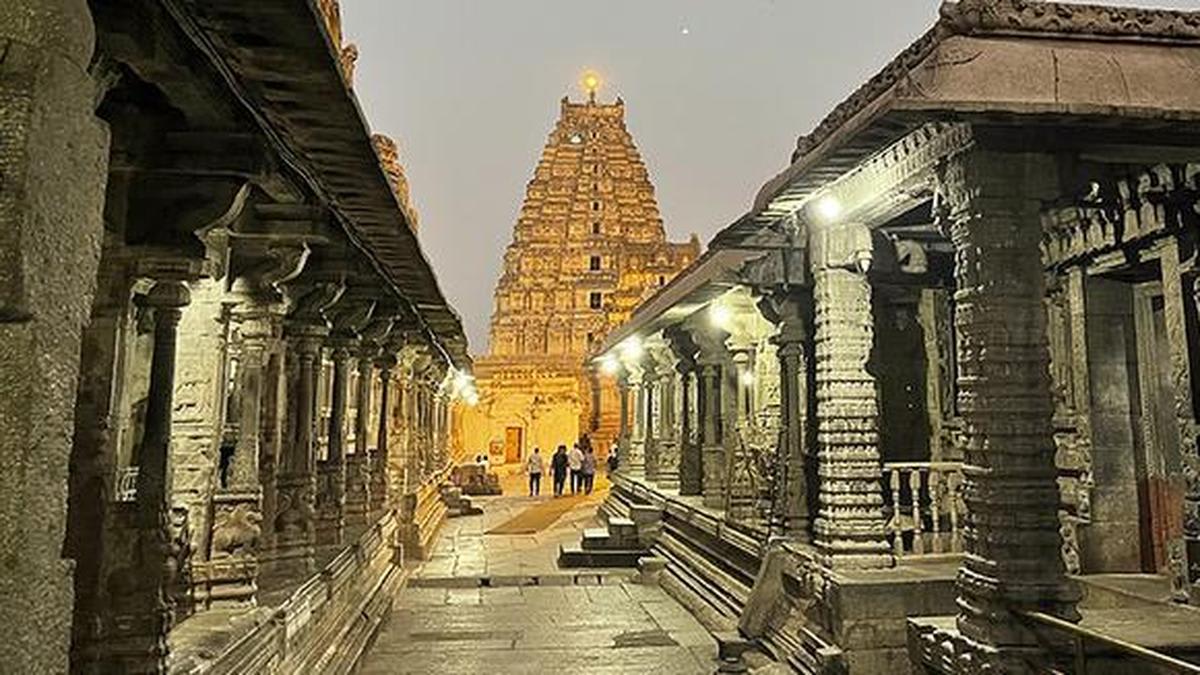
A UNESCO expert committee recently reviewed the conservation status of the Hampi World Heritage Site. They recommended increased local community involvement, improved management authority capacity, and rigorous impact assessments for future development.
UNESCO Evaluates Hampi's Conservation Strategy
Following a recent site visit to the Hampi World Heritage Site, a UNESCO expert committee has initiated a dialogue with senior officials from the Tourism Department at Vidhana Soudha. This engagement, which took place on October 28, marks a critical juncture in the ongoing efforts to preserve one of India's most architecturally significant historical landscapes. By sharing preliminary observations, the committee has set the stage for a more robust framework regarding the site’s preservation and long-term management.
Prioritizing Local Integration
One of the committee's primary recommendations is the necessity for stronger participation from local communities in the conservation process. Historically, heritage sites often struggled when management strategies were imposed from the top down without regard for those living within or adjacent to the protected zones. By empowering local stakeholders, authorities can ensure that conservation efforts are not only more sustainable but also culturally sensitive, fostering a sense of stewardship among residents who are the primary custodians of the site's daily reality.
Institutional Strengthening and Oversight
Beyond community involvement, the committee highlighted the need for enhanced institutional capacity for the Hampi World Heritage Area Management Authority (HWHAMA). The complexity of managing a World Heritage Site requires consistent administrative leadership and specialized expertise. The committee’s call for continuity in heritage administration suggests that frequent leadership transitions may be hindering the long-term effectiveness of conservation projects, necessitating a more stable and professionalized approach to governance at the site.
Mitigating Development Risks
Perhaps most importantly, the UNESCO experts emphasized the requirement for systematic Heritage Impact Assessments (HIAs) for all future development projects in the region. As Hampi faces pressure from tourism and modern infrastructure needs, it is imperative that any new development does not compromise the integrity of its ancient structures. HIAs serve as a vital tool to predict and mitigate potential damage, ensuring that modernization does not come at the cost of history.
Global Recognition and Future Outlook
UNESCO expert George Abungu, representing Kenya, underscored the global significance of Hampi, expressing satisfaction with the current physical condition of the site. This positive assessment provides a strong foundation for the upcoming formal report, expected by mid-December. This document will likely serve as the blueprint for the next phase of Hampi’s conservation journey, guiding the government in aligning its local policies with international best practices.
Conclusion
The visit by the UNESCO committee serves as a reminder of the global duty to protect Hampi’s unique architectural legacy. By addressing the identified gaps in community engagement, institutional stability, and impact assessment, the HWHAMA can move toward a more proactive management model. These steps are essential to ensure that Hampi remains a vibrant and well-preserved testament to human history for future generations.
Verification Required?