From Brazil to Cuba, US turns up the heat
Source Entity
CHIDANAND RAJGHATTA
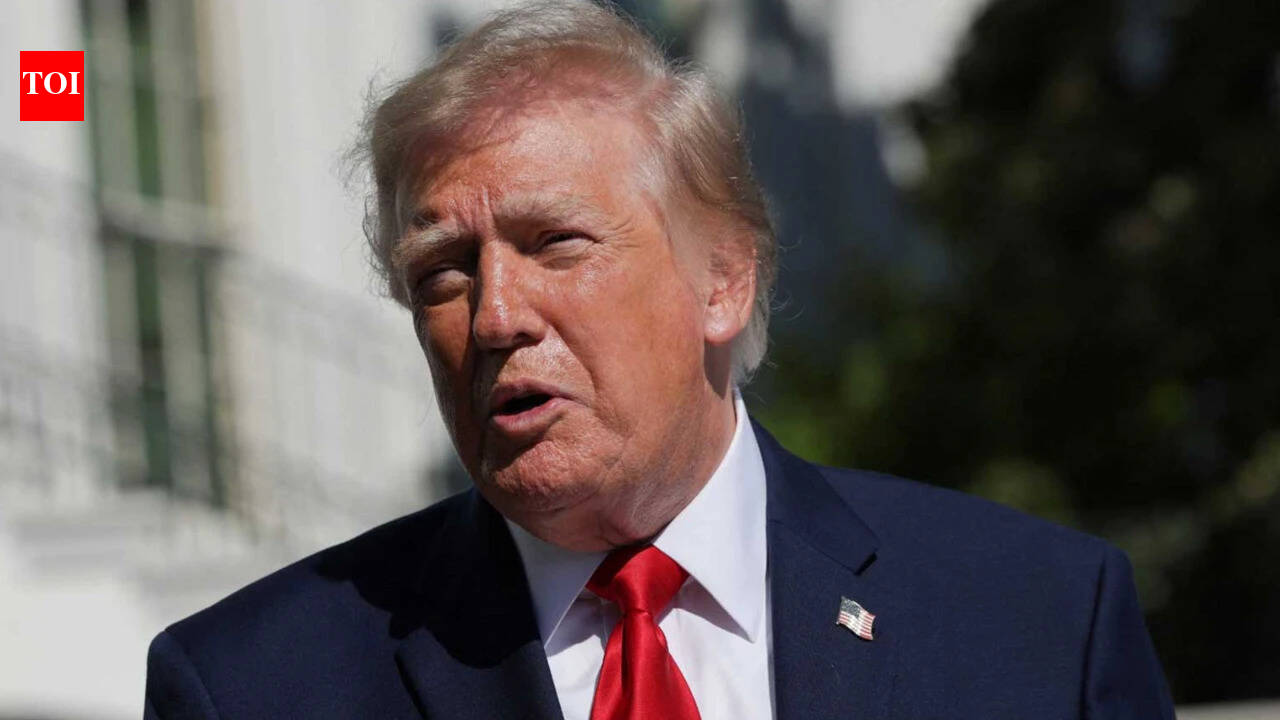
Brazilian Senator Flávio Bolsonaro has fled to the U.S. following his defeat by Luiz Inácio Lula da Silva and an order to surrender his passports. His departure amid a money-laundering investigation mirrors his father's previous actions, as Brazilian authorities move to cancel his travel documents.
The Political Exodus of Flávio Bolsonaro
The recent departure of Brazilian Senator Flávio Bolsonaro to the United States marks a volatile escalation in the nation's post-election landscape. Following his defeat in the presidential runoff—where he secured nearly 60 million votes against Luiz Inácio Lula da Silva’s 64 million—Bolsonaro opted to leave the country rather than face a mounting legal crisis at home. This movement has occurred despite his earlier public assurances that he intended to remain in Brazil to lead the opposition against the incoming administration.
Legal Jeopardy and Passport Cancellation
At the center of this controversy is an ongoing investigation into allegations of money laundering, corruption, and tax evasion. The Brazilian Supreme Court had issued a strict mandate requiring the senator to surrender his passports within 24 hours. The failure to comply with this order has resulted in federal authorities canceling his travel documents. This maneuver by the judiciary highlights the intense pressure currently facing the Bolsonaro family, as they navigate a transition from power to potential prosecution.
Parallels to the 2022 Election Cycle
Observers have drawn immediate parallels between Flávio’s exit and the actions of his father, former president Jair Bolsonaro, who famously traveled to the United States following his own election loss to Lula in 2022. The historical context suggests a pattern of utilizing international travel as a strategic response to domestic electoral failure and legal scrutiny. While Jair Bolsonaro eventually returned to Brazil and faced a 27-year prison sentence, the younger Bolsonaro’s trajectory remains uncertain as he seeks refuge abroad.
The Role of International Relations
Despite the domestic legal orders, the United States State Department has confirmed that it will grant visas to Flávio Bolsonaro and his family. This decision, communicated by a senior official, underscores the complex intersection of private visa privacy laws and international diplomacy. By facilitating this entry, the U.S. finds itself in a delicate position, balancing its diplomatic ties while an individual under investigation for serious financial crimes in a partner nation seeks entry into its territory.
Future Implications for Brazilian Democracy
As Brazil prepares for the inauguration of President-elect Lula on January 5, 2027, the absence of a key opposition figure like Flávio Bolsonaro creates a power vacuum within the Liberal Party. The party’s acknowledgment of Lula's victory, contrasted with Flávio's vow to challenge the results based on alleged voter irregularities, indicates a deep-seated polarization. The upcoming term will likely be defined by how the administration addresses these challenges to electoral integrity and the ongoing pursuit of those accused of financial misconduct.
Conclusion
The flight of Flávio Bolsonaro represents a critical moment in contemporary Latin American politics, reflecting the broader challenges of maintaining judicial accountability in a highly polarized environment. As federal officers continue to track border movements and the legal status of the senator remains in flux, the incident serves as a reminder of the fragility of political transitions when institutional trust is fractured and legal investigations loom over the political elite.
Multiple Citing Sources