U.P. to match Assembly voter lists with Panchayat and Urban local body rolls to find missing voters
Source Entity
India Latest News: Top National Headlines Today & Breaking News | The Hindu
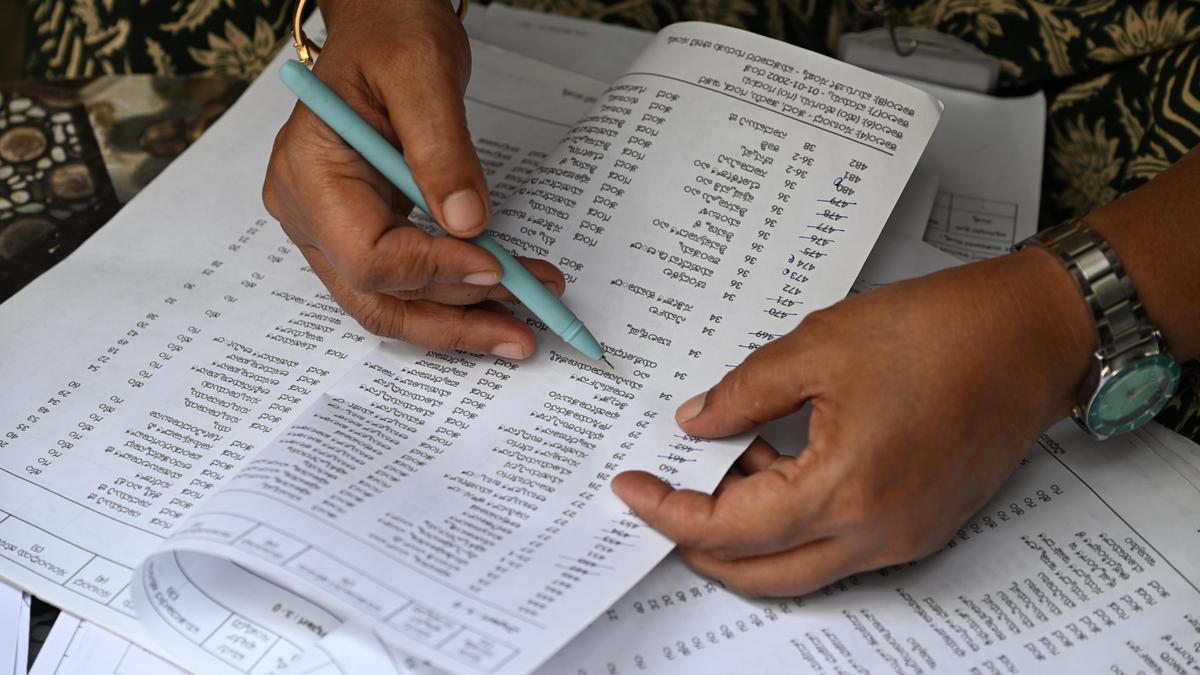
The Uttar Pradesh Chief Electoral Officer has ordered a massive reconciliation of Assembly and local body voter rolls to address a 2.4 crore voter discrepancy. This initiative aims to ensure all eligible citizens are registered for the 2027 Special Summary Revision.
Bridging the Voter Gap: Uttar Pradesh's Electoral Roll Reconciliation
In a significant administrative move, the Chief Electoral Officer (CEO) of Uttar Pradesh has initiated a comprehensive drive to reconcile Assembly electoral rolls with those of Panchayats and Urban Local Bodies. This directive, issued following the discovery of a staggering 2.4 crore voter disparity, underscores the complexities of managing electoral data in India’s most populous state. By mandating that District Election Officers (DEOs) and Electoral Registration Officers (EROs) align these disparate datasets, the state aims to ensure the integrity and inclusivity of the upcoming Special Summary Revision of Voter Lists for 2027.
The Institutional Dichotomy
The root of this discrepancy lies in the institutional separation between the Election Commission of India (ECI), which oversees Assembly and Parliamentary rolls, and the State Election Commission (SEC), which manages Panchayat and local body elections. Because these bodies operate under different legal frameworks and administrative timelines, their databases often drift apart. The current exercise serves as a critical intervention to bridge this gap, ensuring that citizens registered for local governance are not inadvertently disenfranchised at the Assembly level.
Operational Strategy and Implementation
To address this, the CEO’s office has issued strict guidelines to DEOs, emphasizing a thorough matching process. A key component of this strategy involves leveraging grassroots infrastructure, including the utilization of fair price shops to facilitate registration. By directing EROs to actively secure the filing of 'Form 6' for every identified eligible citizen, the administration is shifting from a passive registration model to a proactive, outreach-based approach designed to maximize electoral participation.
Data Integrity and the 2027 Cut-off
Setting January 1, 2027, as the qualifying date for this exercise provides a clear temporal benchmark for the Special Summary Revision. This focus is vital for maintaining the accuracy of the electoral roll, which serves as the bedrock of democratic legitimacy. The identification of missing voters is not merely an administrative cleanup; it is a fundamental effort to uphold the constitutional right to vote for millions who may have been caught in the crosshairs of bureaucratic silos.
Broader Implications for Democracy
The sheer scale of the 2.4 crore voter difference highlights the immense challenge of maintaining dynamic electoral rolls in a state as vast as Uttar Pradesh. If successful, this reconciliation could set a precedent for inter-agency data sharing between the ECI and SEC, potentially streamlining future electoral processes. By harmonizing these lists, the state is taking a necessary step toward reducing administrative friction and ensuring that the electoral rolls accurately reflect the actual demographic landscape of the state.
Conclusion
Ultimately, this initiative represents a robust commitment to electoral transparency and accuracy. As Uttar Pradesh gears up for the 2027 revision, the success of this matching exercise will be measured by its ability to convert the identified 2.4 crore 'missing' voters into active, registered participants. This effort not only strengthens the robustness of the voter list but also reaffirms the state's dedication to ensuring that every eligible citizen is empowered to participate in the democratic process.
Multiple Citing Sources
Verification Required?