2.4 crore difference in UP panchayat and rural Assembly voter lists, EC orders two rolls to be matched
Source Entity
Maulshree Seth
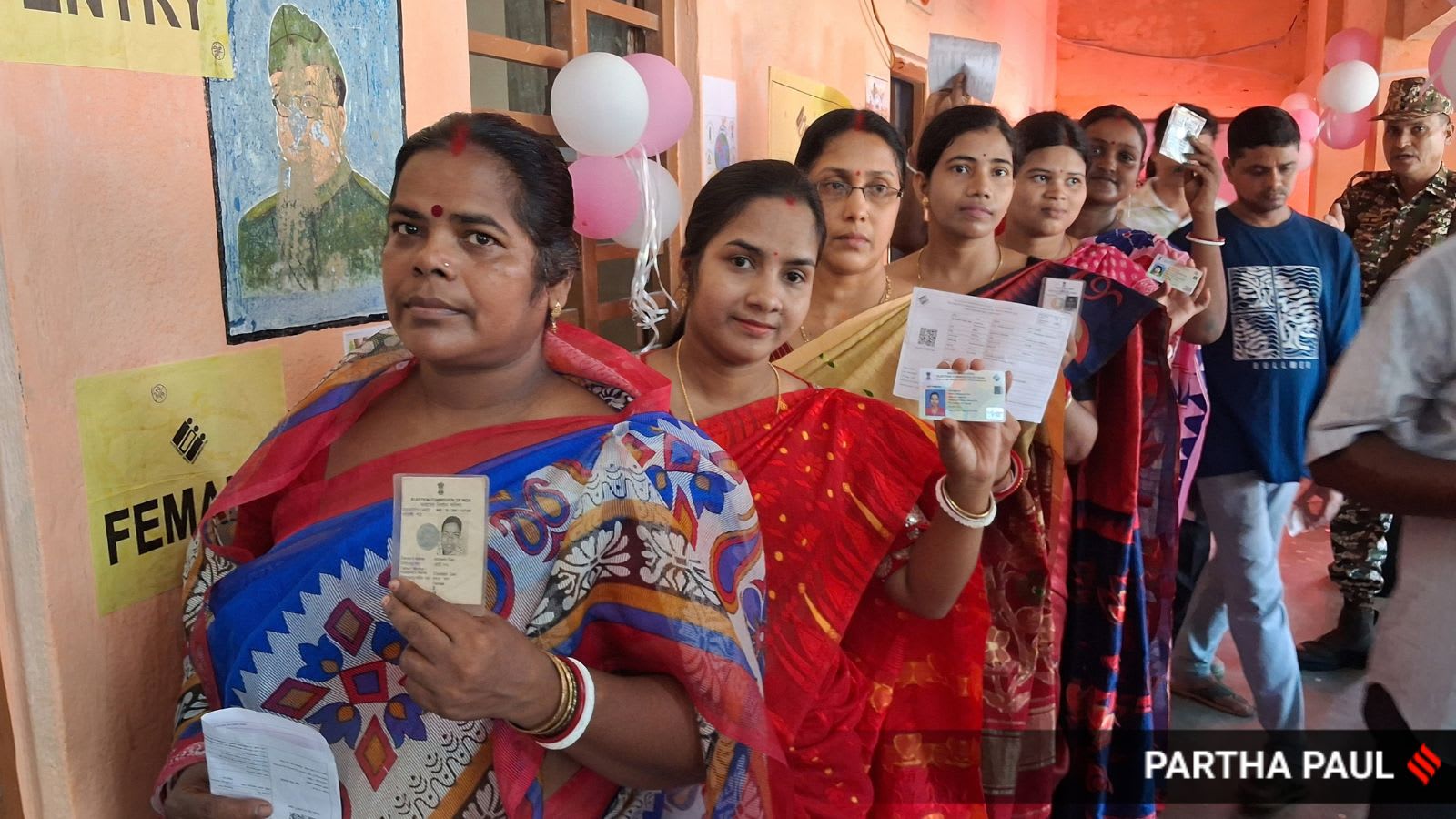
The Uttar Pradesh CEO has ordered a reconciliation of Assembly and local body voter rolls to address a 2.4 crore discrepancy. This initiative aims to ensure all eligible citizens are registered ahead of the 2027 electoral cycle.
Addressing the Electoral Discrepancy in Uttar Pradesh
The Uttar Pradesh Chief Electoral Officer (CEO) has initiated a critical administrative exercise to reconcile the state's voter rolls, following the discovery of a 2.4 crore voter discrepancy between Assembly electoral rolls and local body (panchayat and urban) records. This massive gap highlights the operational divide between the State Election Commission (SEC), which oversees local polls, and the Election Commission of India (ECI), which manages Assembly and Parliamentary elections. By mandating a thorough matching process, the CEO office aims to bridge this data chasm and ensure the integrity of the electoral register.
The Mechanics of the Matching Exercise
The reconciliation project is centered on the Special Summary Revision of Voter Lists 2027, with January 1, 2027, established as the primary cut-off date for eligibility. District Election Officers (DEOs) and Electoral Registration Officers (EROs) have been instructed to conduct a rigorous comparison of these datasets. This is not merely an administrative cleanup but a proactive effort to identify citizens who are currently active in local governance rolls but absent from the formal Assembly constituency voter lists.
Operational Strategy and Implementation
To facilitate this, the CEO’s office has issued clear directives for the systematic collection of Form 6, which is the standard application for inclusion in the electoral roll. By utilizing decentralized infrastructure, such as fair price shops, the administration is attempting to maximize reach and accessibility for citizens who may have been overlooked in previous revisions. This strategy emphasizes the importance of grassroots-level engagement to ensure that the final electoral roll is both inclusive and accurate.
Broader Implications for Democratic Participation
This initiative has significant implications for democratic participation in India's most populous state. A gap of 2.4 crore voters suggests potential systemic issues in how data is shared and updated between different tiers of government. By streamlining these processes, the ECI is taking a corrective step to minimize disenfranchisement. Ensuring that every eligible voter is accounted for is fundamental to the legitimacy of the electoral process and the accuracy of demographic representation in Assembly constituencies.
Challenges and Future Trends
Moving forward, the success of this reconciliation will depend on the administrative rigor of the DEOs and the willingness of citizens to participate in the registration drive. The move to harmonize state and central electoral data points toward a future trend of digitized, unified voter registries that could significantly reduce the administrative burden of maintaining separate rolls. If successful, this model could serve as a blueprint for other states facing similar challenges in managing massive, multi-tiered electoral databases.
Conclusion
The directive to match Assembly voter lists with panchayat and urban local body rolls is a vital administrative reform. By addressing the 2.4 crore discrepancy, the Uttar Pradesh CEO office is reinforcing the accuracy of the 2027 electoral cycle. This proactive approach not only resolves current data inconsistencies but also sets a higher standard for inter-agency cooperation in the management of national voter databases.
Multiple Citing Sources