US accuses American of allegedly wiping his phone using a ‘duress’ password during border search
Source Entity
Zack Whittaker
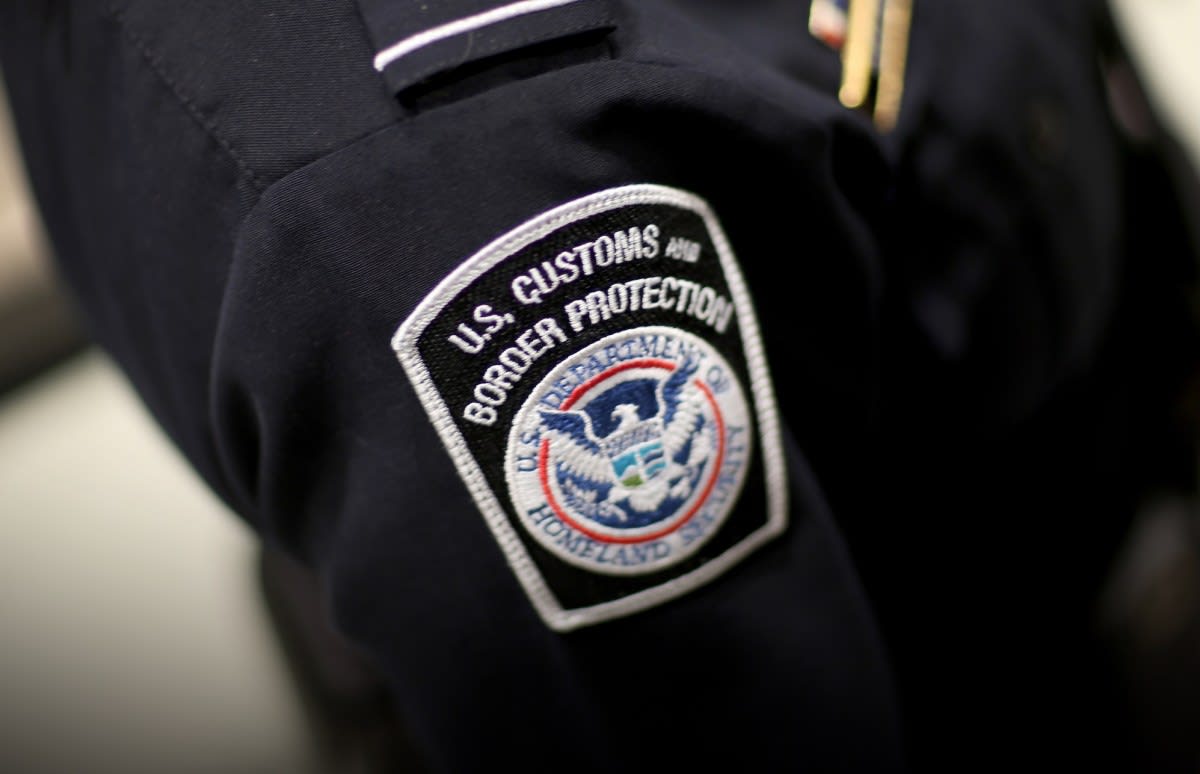
Federal prosecutors are charging an American citizen for allegedly using a 'duress' password to wipe his phone data during a border search. This landmark case challenges the scope of constitutional rights and government authority at U.S. borders.
The Legal Precedent of Digital Privacy at the Border
The recent indictment of Atlanta resident Samuel Tunick marks a significant legal watershed in the United States. For the first time, federal prosecutors have leveled charges against an individual for allegedly utilizing a 'duress' password to wipe data from a mobile device during a U.S. Customs and Border Protection (CBP) inspection. This case brings the long-standing tension between national security protocols and individual privacy rights into sharp focus, forcing the judiciary to grapple with how Fifth Amendment protections apply to digital encryption in a post-entry border environment.
The Mechanics of 'Duress' Passwords
'Duress' or 'panic' passwords are features integrated into some mobile operating systems designed to wipe a device’s storage if entered instead of the primary passcode. In the context of the government's case against Tunick, the allegation is that the defendant provided this secondary code to border authorities, resulting in the permanent destruction of the phone's contents. This raises a complex question for the legal system: does the act of providing a code that initiates a wipe constitute an obstruction of justice, or is it a protected exercise of one's right against self-incrimination?
Constitutional Challenges and Border Authority
Historically, the U.S. border has functioned as a 'Constitution-free zone' regarding search and seizure, where CBP agents possess broad discretion to inspect travelers and their belongings without a warrant. However, as digital devices have become extensions of our personal identity, legal challenges have increasingly pushed back against this doctrine. Tunick’s legal defense team is actively contesting the initial seizure of the phone, arguing that the search itself was unlawful. If the court finds the original seizure unconstitutional, the charges surrounding the alleged data wiping may be rendered moot, creating a major blow to federal search policies.
The Broader Implications for Privacy
This case has far-reaching implications for how citizens prepare for international travel and how technology companies balance user security with law enforcement requests. If the government succeeds in prosecuting Tunick, it could set a chilling precedent, effectively criminalizing the use of privacy-enhancing features that are intended to protect sensitive personal data. Conversely, a ruling in favor of the defendant would provide a robust defense for travelers who wish to maintain the integrity of their digital lives against intrusive government searches.
Future Trends in Digital Surveillance
Looking ahead, we can expect this case to influence upcoming legislation and judicial rulings concerning digital border searches. As encryption technology continues to evolve, the gap between law enforcement's desire to access data and the individual's right to digital autonomy will likely widen. This case is not just about a single phone; it is a battleground for the future of privacy in an era where our most intimate information is carried in our pockets, constantly subject to the scrutiny of border authorities.