UPSC Key: BRICS, Keralam and India’s Central Asia Policy
Source Entity
Priya Kumari Shukla
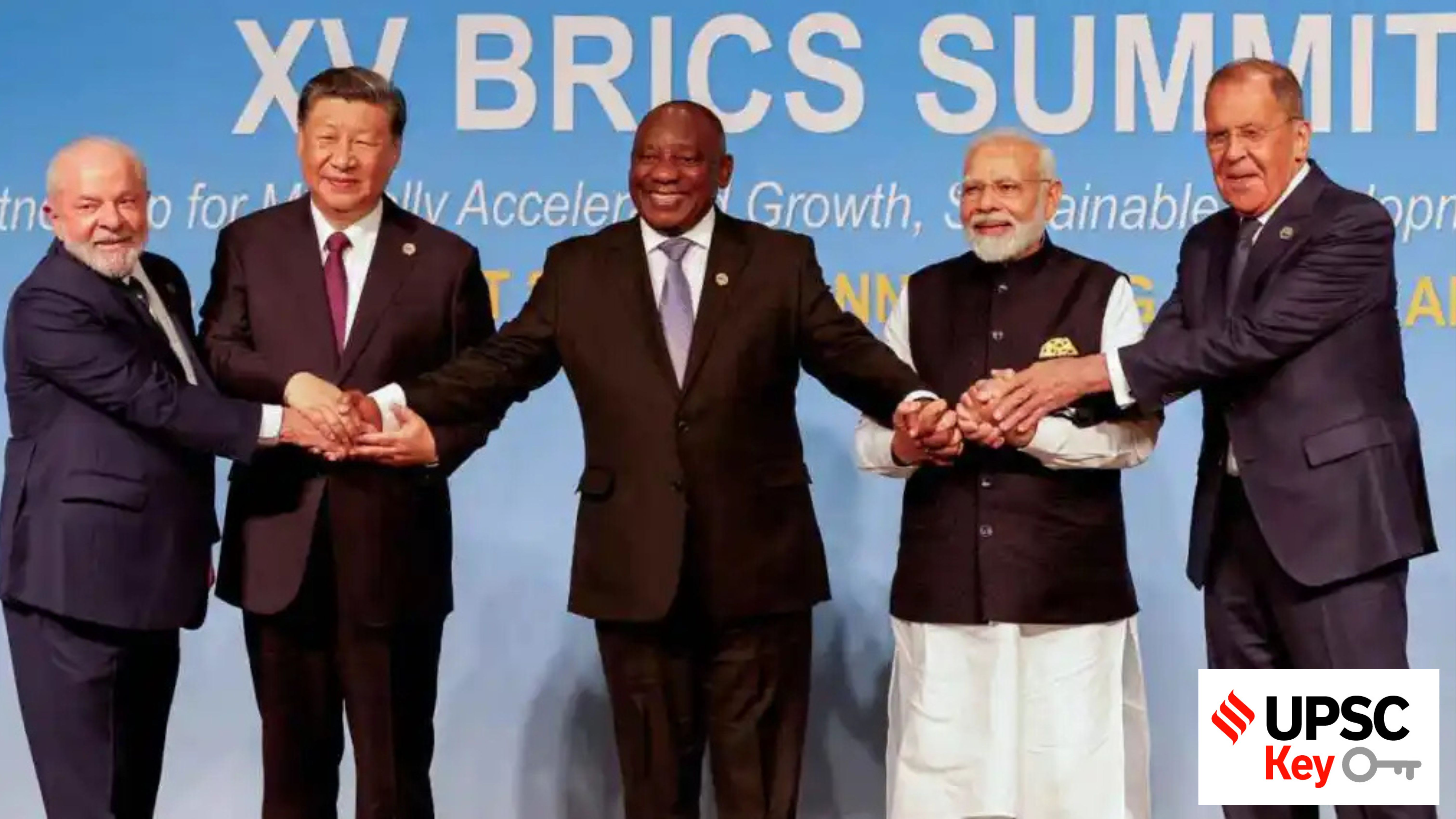
Canada has announced retaliatory tariffs on $20 billion of US goods following the United States' decision to impose 50% tariffs on Canadian imports. This escalating trade conflict poses significant implications for North American economic stability and regional trade agreements.
The Escalation of North American Trade Tensions
The Catalyst for Conflict
The current trade dispute between the United States and Canada has reached a critical juncture, marked by the United States imposing 50% tariffs on approximately $20 billion worth of Canadian goods. This aggressive trade policy shift has prompted an immediate and firm response from Ottawa, which has declared its intention to implement retaliatory tariffs on an equivalent value of American products. This "dollar for dollar" counter-measure signals a significant deterioration in what has historically been one of the world's most stable and integrated bilateral trade relationships.
Understanding the Economic Mechanism
At the heart of this conflict lies the concept of a tariff—a tax imposed by a government on imported goods and services. By drastically increasing these costs, the United States aims to protect domestic industries or address specific trade imbalances; however, such actions often trigger a cycle of protectionism. For students and observers of international relations, this scenario provides a real-world case study on how trade barriers disrupt global supply chains and increase costs for consumers and manufacturers alike.
Geopolitical and Regional Implications
For India, and indeed for global markets, these developments are of significant interest as they highlight the volatility of international groupings and bilateral agreements. The UPSC CSE syllabus highlights the importance of understanding how such regional groupings affect national interests. When the two largest economies in North America engage in a trade war, the shockwaves are felt across the global market, potentially forcing other nations to reassess their own trade dependencies and alliance strategies.
Historical Context of Trade Relations
The US-Canada trade corridor is one of the largest in the world, deeply integrated through decades of agreements. The sudden imposition of 50% tariffs represents a departure from the norms of cooperation that have defined the North American economic landscape. This shift forces a re-evaluation of the durability of existing trade frameworks and raises questions about whether current global trade institutions possess the mechanisms to de-escalate such high-stakes disputes effectively.
Future Trends and Strategic Outlook
Looking ahead, the trajectory of this trade war will likely dictate the future of North American economic policy. If the current cycle of retaliation continues, we may see a move toward greater national self-reliance at the expense of regional efficiency. Observers should monitor whether diplomatic channels can facilitate a de-escalation or if this conflict will lead to a long-term restructuring of trade flows, which would inevitably impact global market stability and the strategic calculations of emerging economies like India.