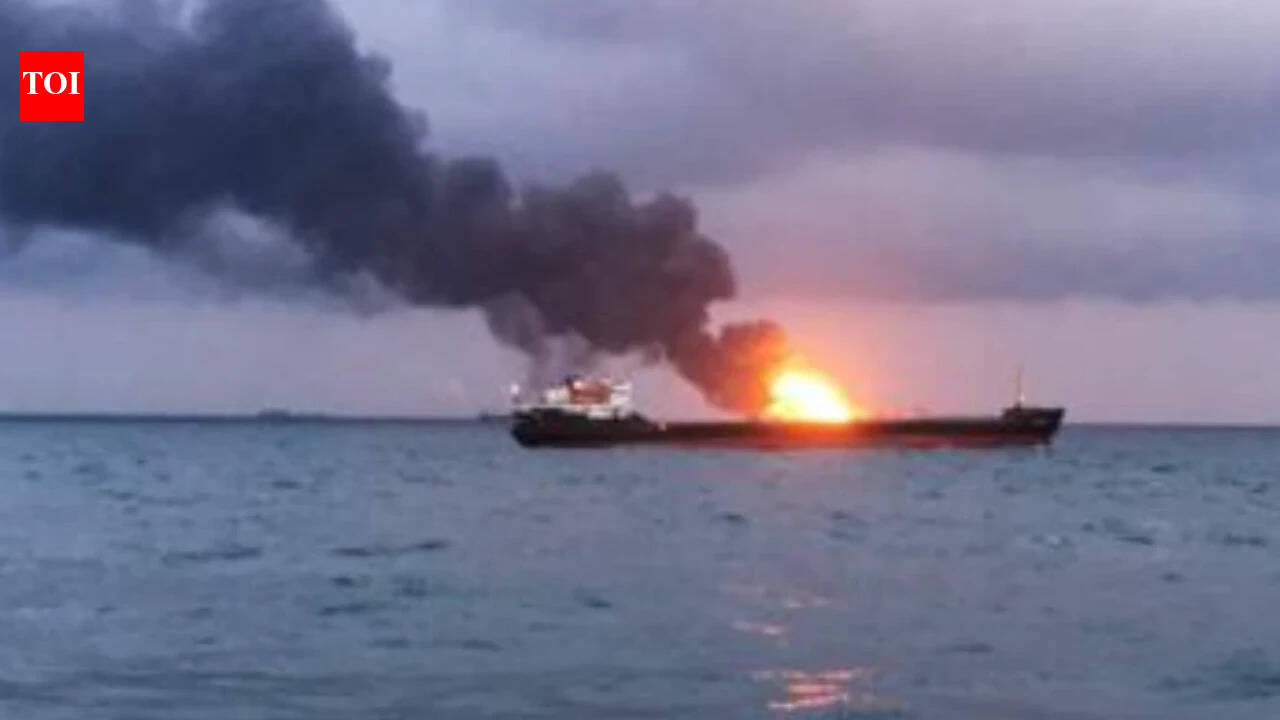
Houthis claim Saudi Arabia targeted boat carrying 14 Indians; launch rescue ops
Source Entity
VIVEK DUBEY
The U.S. State Department has ordered non-emergency embassy staff and their families to depart Saudi Arabia and several other Gulf nations due to intensifying Houthi attacks. This move highlights escalating regional instability linked to ongoing conflicts involving Iranian-backed proxies.
U.S. Diplomatic Retrenchment Amidst Regional Escalation
The Security Mandate
The U.S. State Department has issued a directive requiring non-emergency government employees and their families to evacuate the embassy in Saudi Arabia. This decision reflects a critical shift in the security posture of the United States in the Middle East, driven by a surge in near-daily attacks originating from Houthi forces. The order, confirmed by State Department spokesman Tommy Pigott, extends beyond Saudi Arabia to include the United Arab Emirates, Jordan, Qatar, and Bahrain, signaling a broad assessment of heightened threats across the Gulf region.
The Houthi Threat and Regional Instability
The core driver of this diplomatic withdrawal is the sustained and intensified offensive by Yemen’s Houthi rebels. The Houthis, widely recognized as an Iranian proxy, have moved beyond localized skirmishes to conducting frequent, high-impact strikes. These actions have effectively transformed the regional security environment, compelling the U.S. to prioritize the safety of its diplomatic corps over maintaining a full physical presence in these critical hubs.
Conflicting Reports and Military Claims
Complexity in the theater of operations is exacerbated by competing narratives regarding the efficacy of anti-Houthi military efforts. Saudi-backed Yemeni forces recently reported the initiation of 'Operation Dawn of Yemen,' claiming the neutralization of 285 Houthi fighters and the destruction of approximately 190 vehicles and drones. However, these figures remain unverified, and the discrepancy between these military claims and the reality of the U.S. embassy evacuation suggests a significant divergence in how the conflict's intensity is perceived by international observers versus local combatants.
Strategic Implications of the Withdrawal
By ordering the departure of non-essential personnel, the U.S. is signaling a reduced tolerance for risk in an increasingly volatile environment. This move is not merely a logistical necessity but a strategic signal to both allies and adversaries that the current security climate is unsustainable for normal diplomatic operations. The inclusion of multiple nations in this order underscores that the conflict is not confined to the Yemeni border but has regional ramifications that threaten the stability of the entire Gulf corridor.
Future Trends and Regional Outlook
Looking ahead, the evacuation of diplomatic personnel suggests that the U.S. anticipates a prolonged period of instability. The inability of regional actors to effectively stem the tide of Houthi aggression—despite claims of large-scale military success—implies that the conflict may continue to escalate. As the U.S. recalibrates its footprint, the diplomatic vacuum left by non-essential staff may complicate regional mediation efforts, potentially leading to a more militarized and less diplomatic approach to managing the Houthi threat in the months to come.
Multiple Citing Sources