US goods trade deficit shrinks, is still expected to weigh on Q2 GDP growth
Source Entity
Yahoo Finance
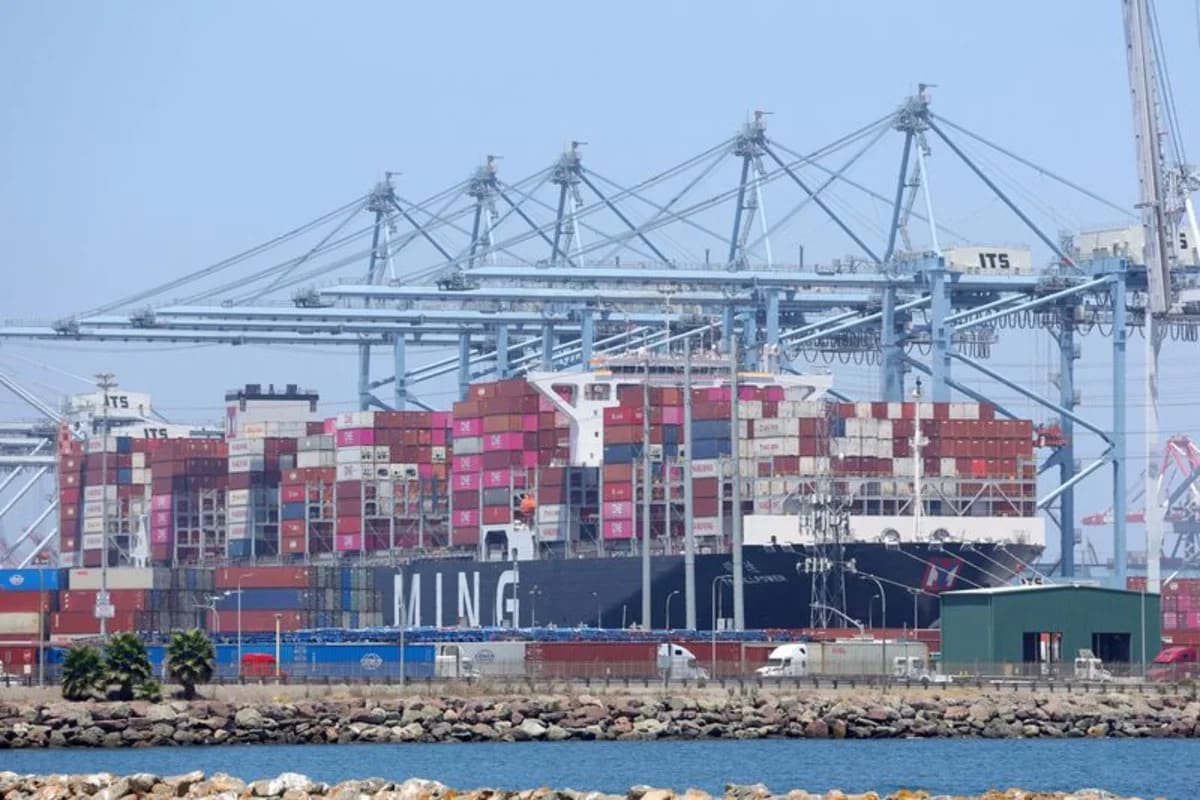
The U.S. goods trade deficit narrowed in June due to a decline in imports, yet trade remains a drag on second-quarter GDP growth. Export volumes also hit a five-month low, influenced by shifting global oil dynamics and industrial supply trends.
Analysis of the U.S. Goods Trade Deficit Trends
Overview of the June Trade Data
Recent data from the U.S. Commerce Department indicates that the trade deficit in goods narrowed during the month of June. This shift was primarily driven by a broad-based decline in imports. While a smaller deficit is typically viewed as a positive indicator for net exports, analysts suggest this specific contraction is unlikely to offset the broader trend of trade acting as a subtraction from second-quarter Gross Domestic Product (GDP) growth.
The Impact of Export Declines
Exports fell to a five-month low in June, a significant development for the U.S. manufacturing and energy sectors. This decline was largely attributed to a sharp drop in shipments of industrial supplies, specifically within the petroleum sector. The volatility in crude oil pricing, influenced by the fragile ceasefire between the U.S. and Iran, has created a ripple effect in global trade volumes, dampening the export value of U.S. energy products.
The Role of Artificial Intelligence and Imports
Despite the overall decline in imports, there is a strong expectation that this trend will be temporary. The current economic landscape is being reshaped by a significant build-out of artificial intelligence (AI) infrastructure. Because the AI supply chain is heavily reliant on imported components and specialized hardware, the demand for foreign-made technology is expected to remain robust, likely pushing import levels back up in the coming months.
Consumer Resilience and Economic Outlook
Beyond industrial investment, consumer spending remains a primary pillar of the U.S. economy. As long as domestic demand for goods remains resilient, the underlying appetite for imports will persist. This resilience, while positive for consumer-driven growth, complicates the trade balance equation, as the U.S. continues to source a vast array of consumer products from international markets to meet this demand.
Broader Economic Implications
Looking ahead, the interplay between AI-driven investment and persistent consumer demand suggests that the trade deficit will remain a structural challenge for GDP calculations. While individual monthly reports may show narrowing gaps, the macro-economic reality remains tethered to the reliance on foreign supply chains for both advanced technology and standard consumer goods. Investors and policymakers will continue to monitor these trade figures closely to gauge the sustainability of growth in the second half of the fiscal year.