On oil, the US keeps India guessing
Source Entity
Shifali Goyal
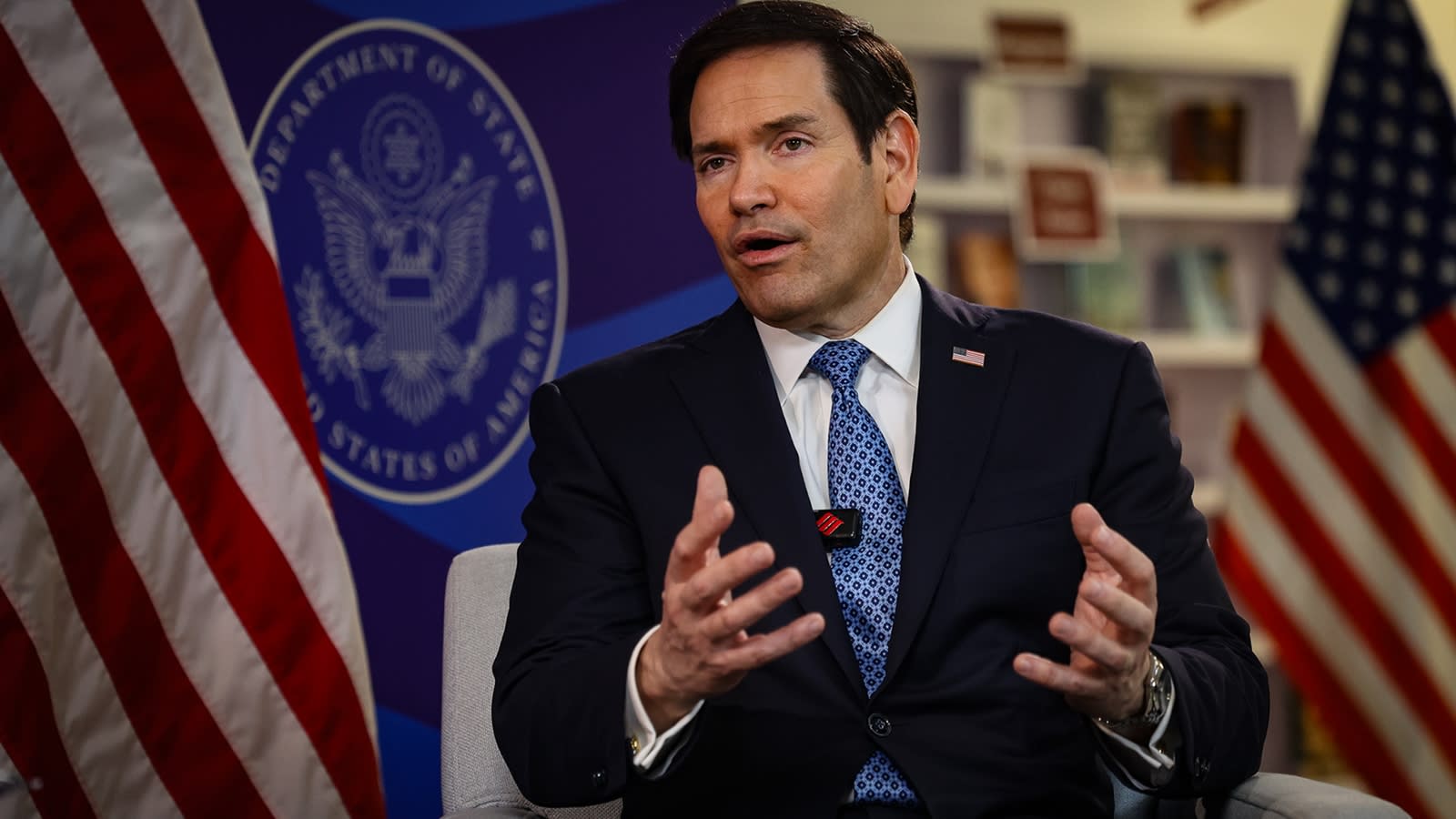
President Trump has issued a temporary waiver on sanctions targeting top buyers of Russian oil, including India and China. Despite this relief, the U.S. continues to exert pressure on India through punitive trade policies, highlighting a complex and often contradictory diplomatic relationship.
The Geopolitics of Energy: US-India Trade Relations in the Trump 2.0 Era
The onset of the 'Trump 2.0' administration has ushered in a period of intense volatility for global trade, particularly regarding energy security. A central pillar of this friction is the Lindsey O Graham Sanctioning Russia and Iran Act, signed on September 18, which proposed staggering tariffs—up to 500% on direct Russian imports and 100% on goods from major purchasers of Russian crude. This policy effectively weaponized trade to isolate Russia, placing nations like India and China in the crosshairs of American economic policy.
The Strategic Waiver: A Tactical Pause
On October 16, President Trump issued a waiver regarding the duties and sanctions prescribed by the Act. This move serves as a critical release valve for the global energy market. By sparing the five largest buyers of Russian oil from the immediate threat of 100% tariffs, the administration has temporarily prevented a catastrophic disruption to global energy flows. However, it is essential to note that this is a waiver, not a repeal. The legal architecture of the Act remains intact, leaving the United States with the unilateral power to reinstate these penalties at any moment based on changing political winds.
The Jamnagar Connection and Diesel Diplomacy
Recent diplomatic maneuvers, including Secretary of State Marco Rubio’s high-profile visit to Jamnagar, underscore the transactional nature of this relationship. Rubio’s visit was not merely a diplomatic courtesy; it was a strategic effort to address the global diesel shortage. The U.S. administration recognizes that India’s refining capacity is essential for stabilizing global fuel prices, a factor that directly impacts domestic American inflation and, by extension, the administration's performance in upcoming mid-term elections.
The Paradox of Punitive Cooperation
The core tension in current US-India relations lies in the contradiction between demanding energy assistance and maintaining punitive trade barriers. While the U.S. relies on India to help mitigate global supply chain crises, it simultaneously employs the threat of sanctions to dictate Indian foreign policy. This 'carrot and stick' approach creates a precarious environment for New Delhi, which must balance its energy security needs—often met through Russian imports—against the desire for a stable, long-term strategic partnership with Washington.
Future Trends and Strategic Autonomy
Moving forward, India is likely to continue pursuing a policy of strategic autonomy. The fact that the U.S. was forced to issue a waiver suggests that the American economy is not yet insulated enough from global energy shocks to fully enforce its protectionist agenda. Future trends will likely see continued 'diesel diplomacy' where India leverages its refining prowess to influence U.S. policy, while Washington continues to use the threat of the Lindsey O Graham Act as leverage to force India toward further alignment with Western geopolitical objectives.
Conclusion
In summary, the temporary reprieve granted to India regarding Russian oil sanctions is a fragile development. It highlights a relationship defined by mutual need but tempered by deep-seated protectionist instincts in Washington. As the Trump 2.0 era progresses, the stability of this relationship will depend on whether the U.S. prioritizes its own mid-term economic stability or its desire to dismantle the energy trade networks that sustain global energy markets.