6 Iran bridges hit, war expands to Syria and Iraq: Latest updates in US-Iran war
Source Entity
The Indian Express
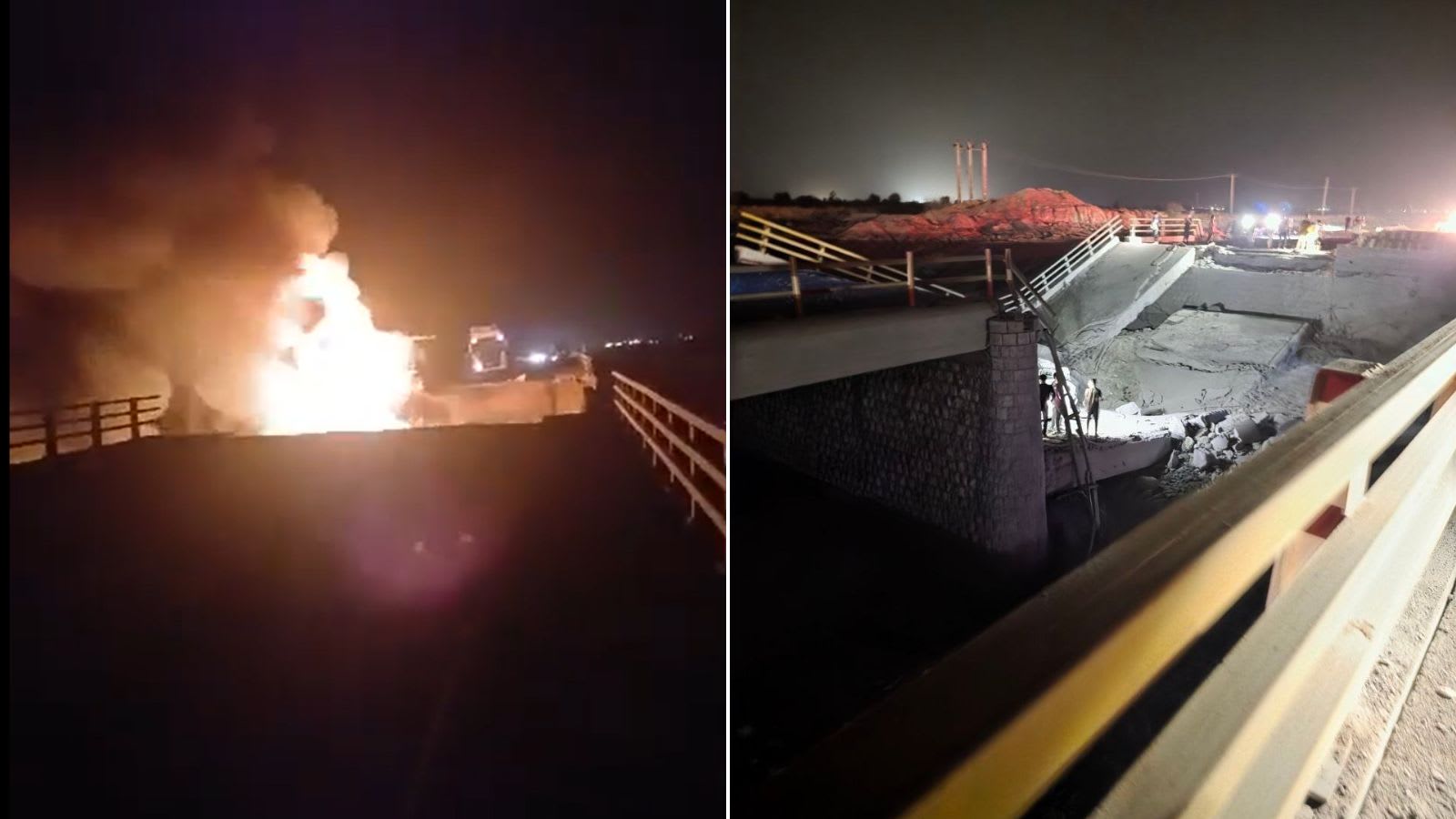
The U.S. and Iran have engaged in six days of escalating military strikes, with the U.S. targeting infrastructure to secure the Strait of Hormuz. Iran has retaliated by expanding its reach to U.S.-allied nations and military installations across Syria, Iraq, and Bahrain. This conflict signals the total collapse of the fragile truce established last month.
Escalating Conflict: The U.S.-Iran Standoff
The ongoing military confrontation between the United States and Iran has entered a critical phase, marked by six consecutive days of intense aerial engagement. Following the unraveling of a fragile truce signed just last month, both nations have shifted from localized skirmishes to a broader regional conflict. The U.S. military strategy is currently focused on degrading Iran's logistical capabilities, specifically targeting bridges and transport infrastructure to disrupt the regime’s ability to project power from the port city of Bandar Abbas.
Strategic Importance of the Strait of Hormuz
Bandar Abbas remains the focal point of the current escalation due to its status as a primary naval hub for the Islamic Revolutionary Guard Corps. By striking bridges and supply lines, the U.S. aims to choke off the regime's capacity to threaten commercial shipping lanes near the Strait of Hormuz. This waterway is globally recognized as one of the most critical maritime chokepoints, and the U.S. commitment to maintaining its open status is driving the current intensity of the air campaign.
Regional Expansion and Retaliation
As the U.S. intensifies its focus on logistical nodes, the conflict has rapidly spilled across borders. Iran has responded to the pressure by broadening its theater of operations, launching missile attacks against U.S.-allied nations, including Qatar and Bahrain. Furthermore, the Revolutionary Guards have extended their reach into the Kurdish region of northern Iraq and targeted U.S. special operations command centers in Syria, marking a significant escalation in the scope of the war.
Humanitarian and Infrastructure Impact
Reports from Iranian state media indicate a rising toll on civilian infrastructure, with claims that the U.S. strikes have impacted train stations, airports, and bridges. Iranian officials report dozens of casualties, including deaths and significant injuries following the latest wave of U.S. Central Command operations. These reports highlight the blurring lines between military and civilian targets as the conflict intensifies in densely populated areas.
Future Trends and Geopolitical Stability
The collapse of the interim agreement, which was originally designed to stabilize the region and secure the Strait of Hormuz, leaves little room for immediate diplomatic resolution. With both nations entrenched in a cycle of retaliatory fire, the risk of further regional destabilization remains high. Future trends suggest a continued focus on asymmetric warfare, as Iran seeks to leverage its regional proxies and missile capabilities to counter the U.S. aerial advantage, potentially drawing more Middle Eastern nations into the direct line of fire.
Multiple Citing Sources