US-Iran war live updates: US expands Iran attacks as Trump warns Tehran and Houthis over Red Sea strikes
Source Entity
The Indian Express
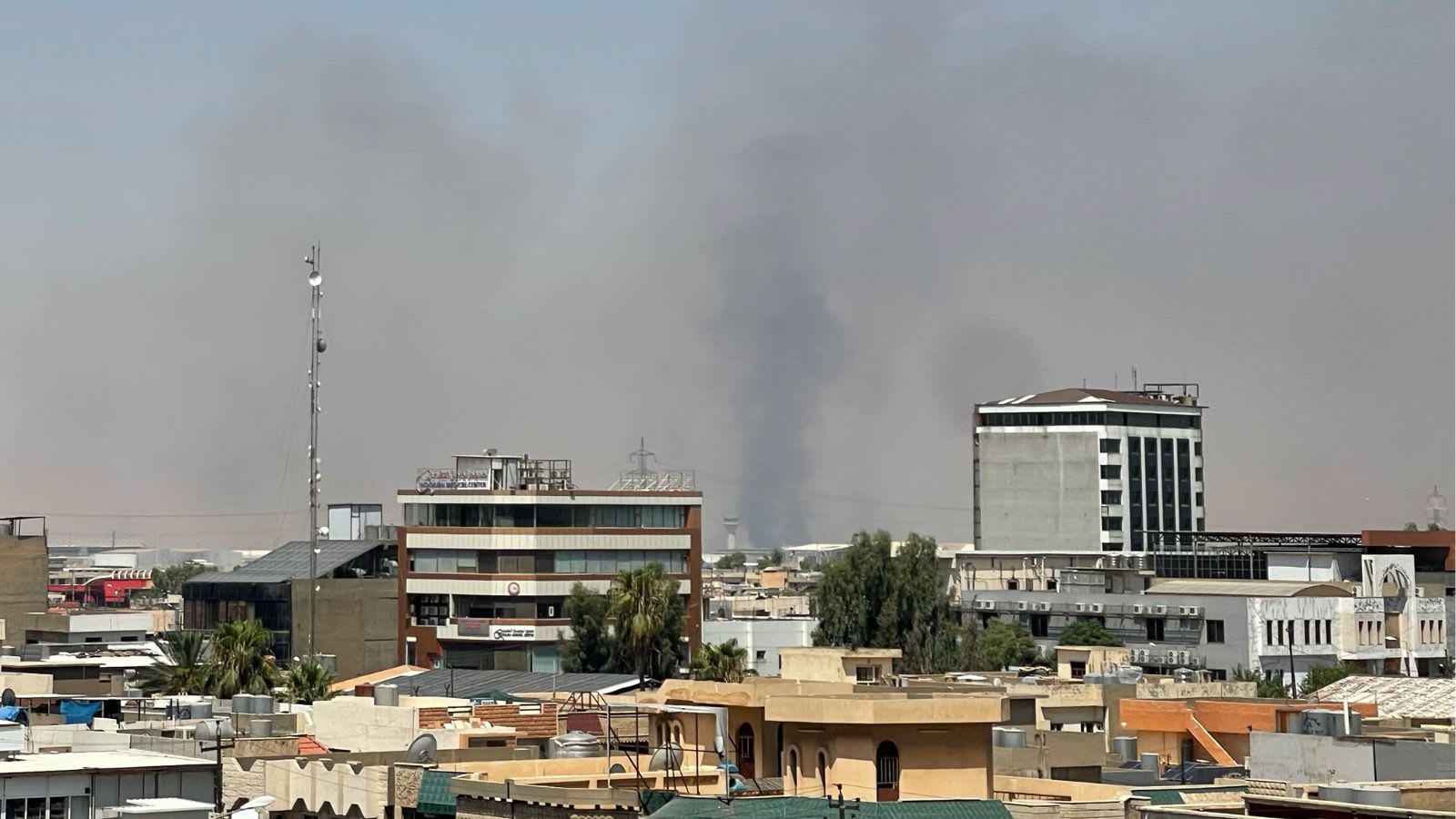
The US-Iran conflict has reached a critical juncture with 13 consecutive nights of US strikes aimed at protecting commercial shipping routes. Escalations include reported explosions near Erbil and cross-border strikes involving Jordan, Bahrain, and Kuwait, as President Trump threatens a massive response.
The Escalation of the US-Iran Conflict: A Regional Crisis
The current geopolitical standoff between the United States and Iran has entered a volatile phase, marked by 13 consecutive nights of military strikes. The United States military has focused its campaign on degrading Iranian military capabilities, specifically targeting facilities linked to the Islamic Revolutionary Guard Corps (IRGC). The stated objective of these operations is to neutralize threats to commercial shipping, an essential artery of the global economy, as tensions in the Strait of Hormuz continue to disrupt regional stability.
Strategic Targets and Regional Spillovers
Beyond the primary theater of the Strait of Hormuz, the conflict has expanded geographically. Reports of explosions near Erbil airport in Iraq’s autonomous Kurdistan region signal that the instability is not localized to coastal waters. Furthermore, the conflict has touched regional partners, with Jordan, Bahrain, and Kuwait reporting Iranian-linked missile and drone strikes. A notable incident occurred at Kuwait’s Al-Abdali border crossing, illustrating the broadening scope of the hostilities.
The Economic Implications of Maritime Instability
The focus on the Strait of Hormuz is driven by its status as one of the world's most critical oil transit chokepoints. As the conflict intensifies, the direct correlation between regional violence and global energy markets has become evident, with oil prices surging past the $100 per barrel mark. This price volatility reflects international anxiety over the potential for prolonged disruption to energy supply chains, which could have cascading effects on the global economy.
Diplomatic and Political Posturing
The rhetoric emanating from Washington suggests a potential shift in the scale of the conflict. President Donald Trump has publicly stated that he is weighing a "massive attack" on Iran, describing it as potentially larger than previous engagements. This development raises the stakes, moving the situation beyond tactical strikes toward the possibility of a broader, more destructive military confrontation that could fundamentally alter the security architecture of the Middle East.
Future Trends and Regional Security
Looking forward, the persistence of these nightly strikes indicates that neither side has yet reached a point of de-escalation. The involvement of multiple regional states suggests that the conflict is moving toward a multi-front regional war rather than a limited maritime dispute. The international community remains on high alert, as the combination of aggressive military posturing and economic pressure creates a precarious environment where any miscalculation could lead to an uncontrolled expansion of the conflict.
Multiple Citing Sources