‘Fully prepared’: Iran threatens tit-for-tat move with oil chokehold as US widens economic sanctions
Source Entity
The Indian Express
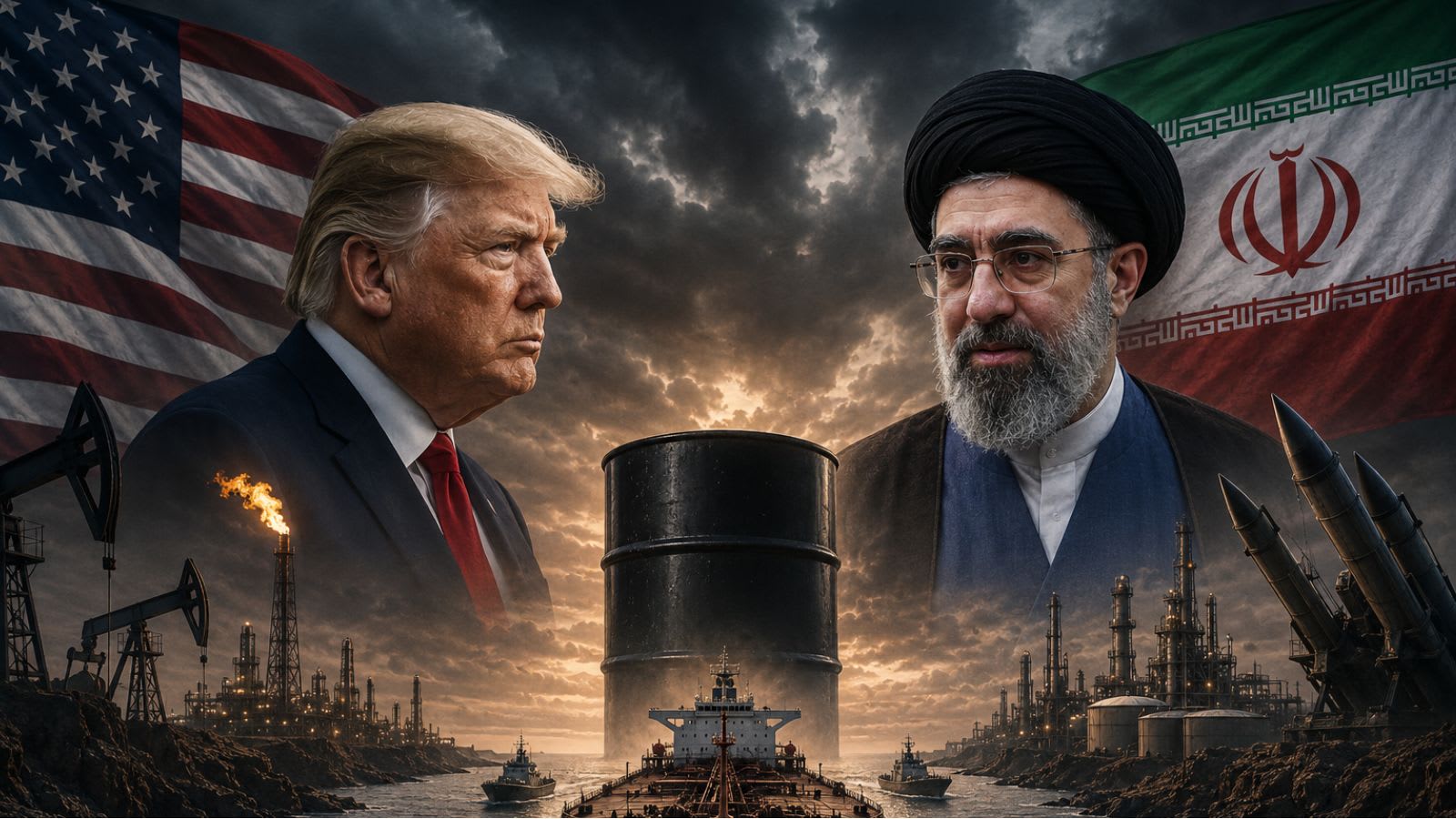
The United States has imposed broad new sanctions on Iran to cut off its economic lifelines and pressure an end to ongoing hostilities. Tehran has responded with threats to disrupt Gulf oil exports, while the Pentagon maintains that military options remain under consideration.
Escalating Tensions: The US-Iran Sanctions Standoff
The geopolitical landscape in the Middle East has reached a new level of volatility following the United States' decision to implement a sweeping round of economic sanctions against Iran. Announced by U.S. Treasury Secretary Scott Bessent, these measures are explicitly designed to sever Tehran’s economic lifelines. This move marks a significant tightening of the 'maximum pressure' campaign, as the U.S. seeks to force a cessation of the ongoing conflict that has persisted since the joint U.S.-Israel strikes six months ago.
The Economic and Diplomatic Front
The core objective of the new sanctions is to isolate Iran financially by threatening secondary sanctions on any nation that continues to engage in trade with the regime. By leveraging the dominance of the U.S. dollar in international markets, the Treasury Department is pressuring global partners to choose between the U.S. financial system and Iranian commerce. While Tehran maintains a defiant stance, expressing confidence that its key trading partners will resist Washington’s influence, the reality of global economic integration makes this a high-stakes standoff for both sides.
The Strategic Chokehold: The Strait of Hormuz
Iran’s response to these economic pressures has been swift and focused on its most potent leverage: the Strait of Hormuz. Tehran has threatened to shut down Gulf oil exports, a move that would have seismic implications for global energy markets. While oil prices have shown limited immediate volatility, the reports of slowed shipping through this critical maritime chokepoint indicate that market actors are beginning to price in the risk of a broader conflict. The threat to treat countries complying with U.S. sanctions as participants in an 'act of war' signals that Iran is willing to escalate beyond mere economic rhetoric.
Military Posture and Deterrence
The situation is further complicated by the Pentagon’s consistent messaging that military options remain on the table. This posture is clearly intended to serve as a deterrent against Iranian aggression, yet it also increases the risk of miscalculation. With the memory of the strikes conducted six months ago still fresh, the current environment is characterized by a fragile equilibrium where both sides are testing the limits of the other’s resolve through a combination of economic warfare and public posturing.
Future Implications and Regional Stability
Looking ahead, the success of these measures will depend on the unity of the U.S.-led coalition and the resilience of the Iranian economy. If the sanctions successfully reduce Tehran's capacity to fund its military objectives, Washington may achieve its goal of ending the war. However, if Iran follows through on its threats to disrupt oil transit, the crisis could rapidly evolve from an economic dispute into a direct naval confrontation. The coming weeks will be critical in determining whether diplomacy can re-emerge or if the region is headed toward a wider, more destructive phase of the current conflict.
Multiple Citing Sources