US-Iran War Live Updates: Trump warns of fresh strike as Tehran threatens Gulf internet cables
Source Entity
The Indian Express
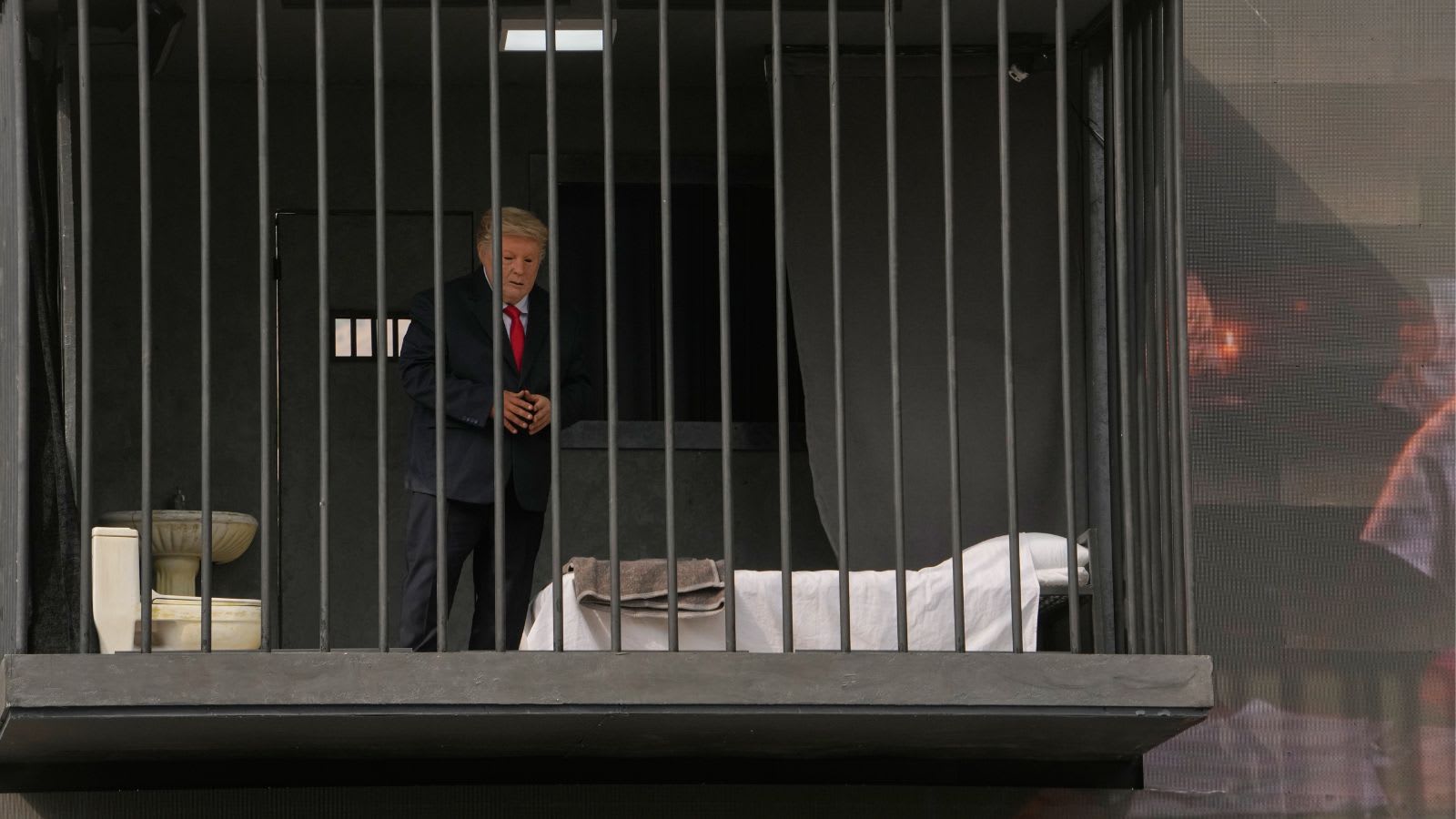
Tensions between the U.S. and Iran have intensified following warnings of potential military strikes and provocative anti-U.S. public displays in Tehran. An actor portraying Donald Trump in a mock prison cell highlights the volatile state of diplomatic relations between the two nations.
Escalating Tensions: The U.S.-Iran Standoff
The geopolitical landscape between the United States and Iran has reached a critical juncture, characterized by a dangerous mix of military posturing and symbolic psychological warfare. Recent reports indicate that the United States, alongside Israel, is signaling the potential for imminent military action. This comes as rhetoric from Washington reaches a fever pitch, with officials suggesting that a strike against Iranian interests could occur as early as this weekend.
Symbolic Resistance and Psychological Warfare
In the heart of Tehran, the atmosphere of defiance is being broadcast through unconventional means. A highly visible billboard installation in Tajrish Square features an actor wearing a mask of Donald Trump, confined behind the bars of a mock prison cell. This display, which depicts the impersonator rattling the bars and even napping within the structure, serves as a visceral rebuttal to U.S. pressure. Such theater acts as a powerful tool for domestic morale, framing the Iranian narrative of resistance against external threats.
Official Rhetoric and Diplomatic Volatility
The diplomatic environment is further complicated by conflicting signals from U.S. officials. While Tom Barrack, the U.S. ambassador to Turkey, affirmed the possibility of a strike when pressed by Israeli army radio, he simultaneously underscored that President Trump remains open to a negotiated deal. This duality—threatening kinetic military action while leaving the door ajar for diplomacy—has become a hallmark of the current administration's approach to Tehran, creating a climate of extreme uncertainty.
Regional Pressures and the Israeli Factor
Israel’s role in this escalation cannot be overstated. Prime Minister Benjamin Netanyahu has been vocal in his commitment to challenging Iran’s clerical establishment, particularly as he approaches a critical election. By aligning with the U.S. stance, Israel is attempting to consolidate a regional security front against what it perceives as an existential threat from Tehran, further pressuring the U.S. to move beyond threats and toward tangible military engagement.
Broader Implications and Future Risks
Beyond the theatrics in Tajrish Square, the threat of an actual military conflict carries profound risks for global stability. The mention of threats against Gulf internet cables suggests that Iran is prepared to utilize asymmetric warfare to counter U.S. and Israeli pressure. Should these tensions boil over into a direct military confrontation, the global economy, particularly energy markets and critical communications infrastructure, would face immediate and severe disruption.
Conclusion: A Precarious Path Forward
The current situation remains a high-stakes standoff where both sides are utilizing every available lever to gain an advantage. Whether the U.S. follows through on the potential for a weekend strike remains to be seen, but the confluence of domestic electoral pressures in Israel, public displays of defiance in Iran, and aggressive posturing from Washington suggests that the region is on a dangerous trajectory, with the window for a peaceful diplomatic resolution narrowing by the day.
Multiple Citing Sources