The U.S. will import Mexican cattle again. Here’s what that means for high beef prices.
Source Entity
Myra P. Saefong
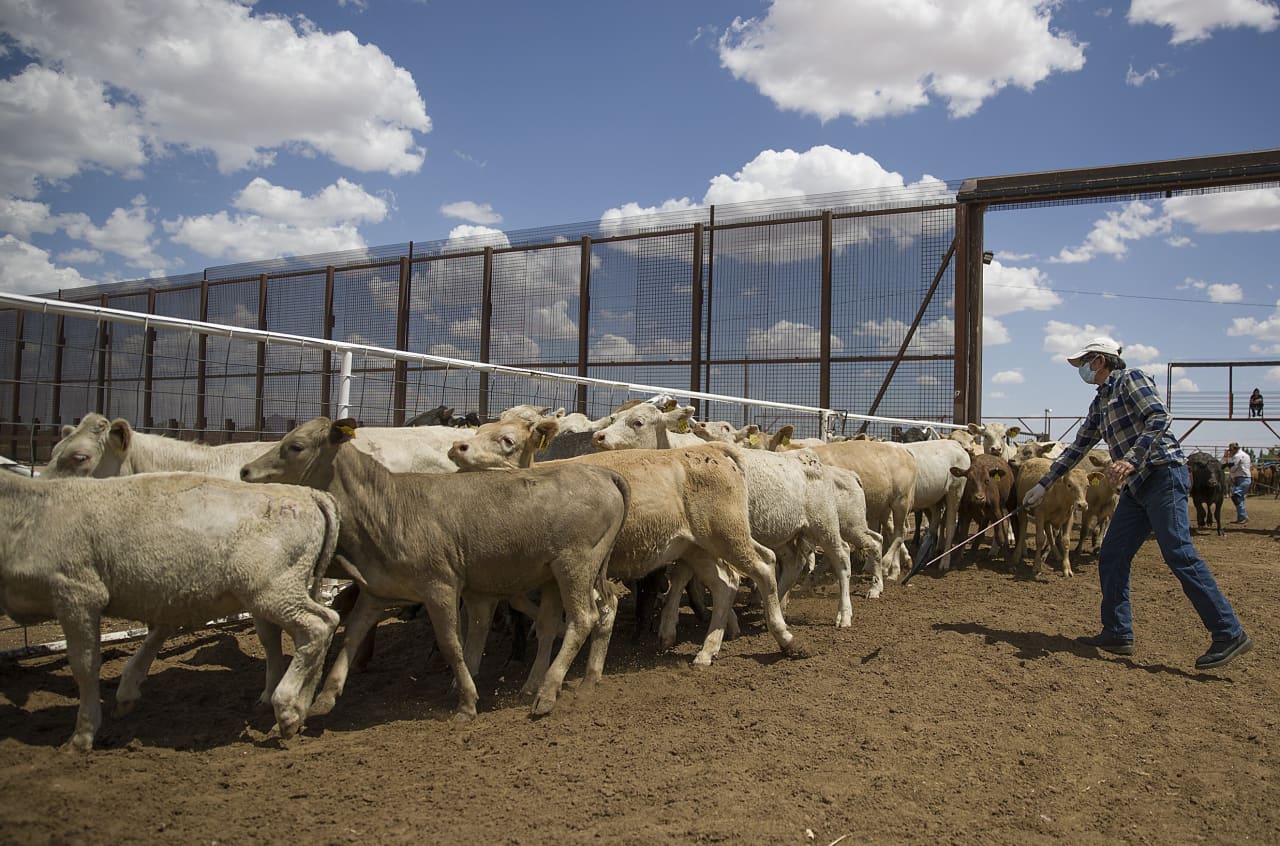
The U.S. Department of Agriculture is resuming Mexican cattle imports in late August. This move aims to address domestic supply chain pressures despite ongoing concerns regarding the New World screwworm.
The Resumption of Mexican Cattle Imports
The U.S. Department of Agriculture (USDA) has announced a significant policy shift, confirming that cattle imports from Mexico will resume in late August. This decision comes at a critical juncture for the American agricultural sector, which has been grappling with persistent volatility in beef pricing and supply chain constraints. By reopening this trade channel, federal regulators are signaling a strategic effort to bolster domestic inventory levels.
The Shadow of the New World Screwworm
Central to this development is the persistent threat of the New World screwworm, a parasitic insect that poses a severe risk to livestock. The screwworm is known for infesting open wounds on animals, leading to significant morbidity and mortality if left unmanaged. Despite these biological risks, the USDA has determined that the economic necessity of resuming imports outweighs the localized threat, provided that stringent monitoring and quarantine protocols are maintained to prevent an outbreak within U.S. borders.
Economic Implications for Beef Prices
High beef prices have remained a point of contention for American consumers for several years, driven by inflationary pressures and supply shortages. By reintroducing Mexican cattle into the U.S. supply chain, the industry expects to see an increase in raw material availability for processors. This influx is theoretically designed to stabilize production costs, potentially easing the upward pressure on retail beef prices that has impacted household budgets across the nation.
Balancing Trade and Biosecurity
The decision to resume imports highlights the delicate balancing act performed by agricultural authorities. They must weigh the immediate need for market stability against the long-term risk of introducing foreign pests or diseases. The success of this policy will depend heavily on the efficacy of border inspection stations and the cooperation of Mexican exporters in maintaining rigorous sanitation and health standards for their herds.
Future Trends and Market Outlook
Looking ahead, the resumption of these imports suggests a move toward normalizing North American agricultural trade post-disruption. If this late-August restart proceeds without a screwworm incident, it could set a precedent for more flexible trade agreements. However, if the parasitic threat proves difficult to contain, the industry may face renewed calls for stricter oversight, potentially leading to further market uncertainty in the coming fiscal quarters.
Verification Required?