Mojtaba's retaliation fears rattle Trump? US urges Americans in Middle East to stay alert | Iran War
Source Entity
Latest News: Todays Latest News Headlines from India & World | Hindustan Times | Hindustan Times
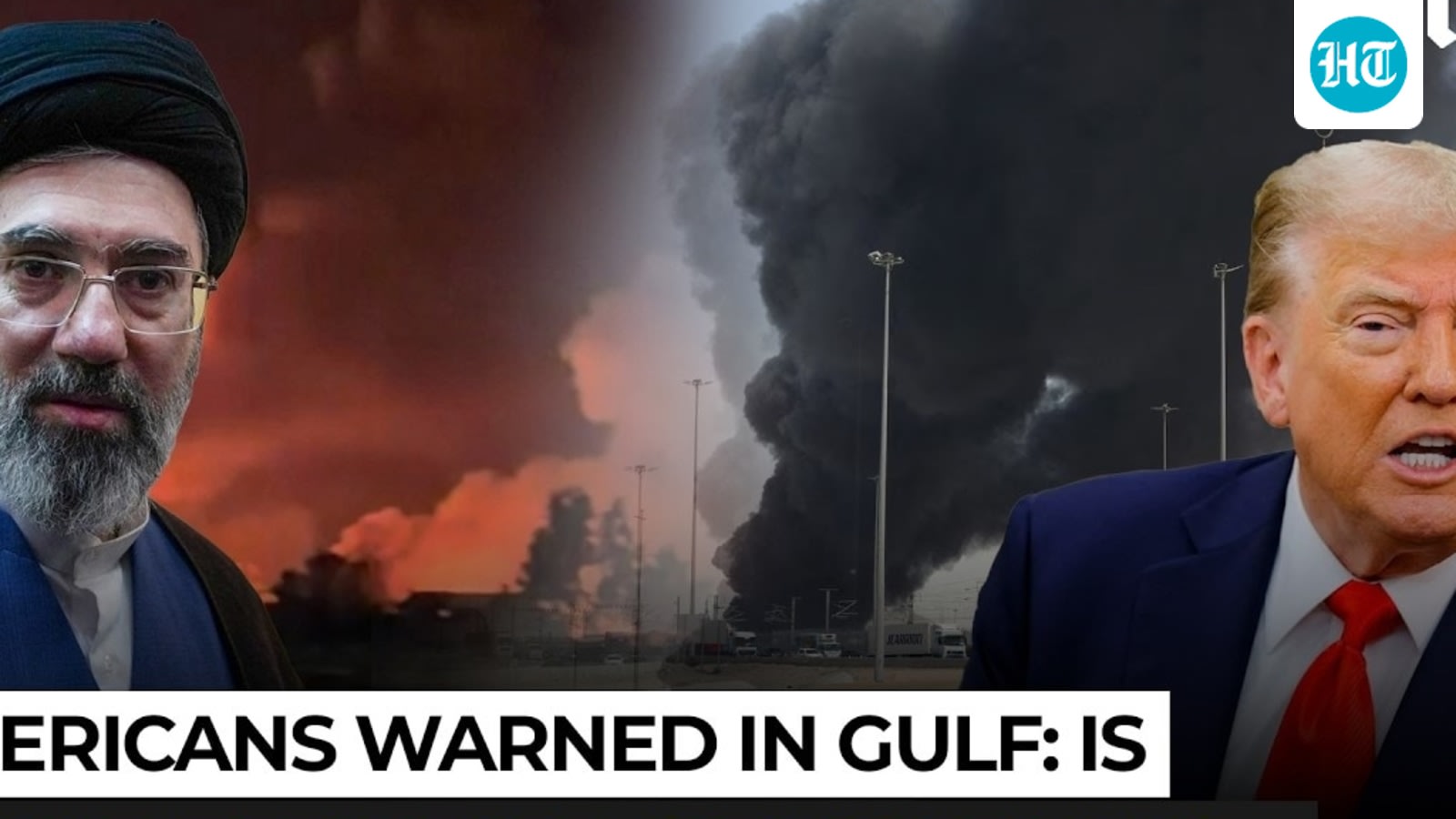
The U.S. Embassy in the UAE has issued a security alert for Americans in the Middle East due to fears of regional escalation involving Iran and its allies. Heightened tensions stem from renewed military activity in Yemen, prompting warnings of potential travel disruptions and security threats.
Heightened Regional Volatility: U.S. Issues Security Advisory for Middle East
The geopolitical landscape across the Middle East is facing a precarious moment as the U.S. Embassy in the United Arab Emirates has issued a formal security advisory. This directive urges American citizens in the region to remain vigilant due to the heightened risk of rapid escalation. The warning reflects a growing concern among Western intelligence agencies regarding the volatility of the current security environment, which is increasingly defined by the interconnected nature of regional flashpoints.
The Nexus of Conflict: Iran, Yemen, and the Gulf
At the core of this apprehension is the multifaceted tension involving Iran and its network of regional allies. The advisory specifically highlights the threat of retaliatory actions, which could manifest in various forms, including targeted strikes or asymmetric warfare. The involvement of the Houthis—an Iran-aligned group in Yemen—adds a layer of complexity to the situation, as their capabilities have historically been used to disrupt maritime and regional security architectures.
Impact of Renewed Military Operations
The current warning is directly linked to reports of renewed Saudi-Emirati military operations within Yemen. These actions have intensified existing hostilities, creating a volatile feedback loop where local military engagements threaten to spiral into broader regional conflicts. The U.S. government’s intervention via a travel and security advisory underscores the gravity of these developments, as diplomatic channels struggle to contain the spillover effects of these ongoing operations.
Risks to Infrastructure and Travel
A significant portion of the embassy's advisory focuses on the practical risks to civilian infrastructure. The potential for airspace closures and mass flight cancellations is a direct consequence of the elevated threat level. Such disruptions are not merely logistical inconveniences; they serve as indicators of a deteriorating security climate where commercial aviation becomes a casualty of geopolitical posturing and military maneuvering.
Broader Strategic Implications
This situation highlights the precarious nature of U.S. interests in the Middle East, where the presence of American citizens is often viewed through the lens of regional power struggles. The possibility of retaliation against the U.S. or its allies by Iran-backed entities remains a constant variable in the security calculus. As the situation evolves, the primary challenge for the U.S. will be balancing regional stability efforts with the necessity of protecting its nationals from the repercussions of an escalating proxy war.
Conclusion: Assessing Future Trends
Looking ahead, the stability of the Middle East remains tied to the de-escalation of hostilities in Yemen and the containment of regional proxy tensions. If the current trend of military activity continues, further travel restrictions and security warnings are highly probable. The international community must monitor these developments closely, as any miscalculation in this environment could have profound impacts on global energy security and regional geopolitical stability.
Verification Required?