‘Trump is still your president’: White House after Democrats win big in midterms
Source Entity
Latest News: Todays Latest News Headlines from India & World | Hindustan Times
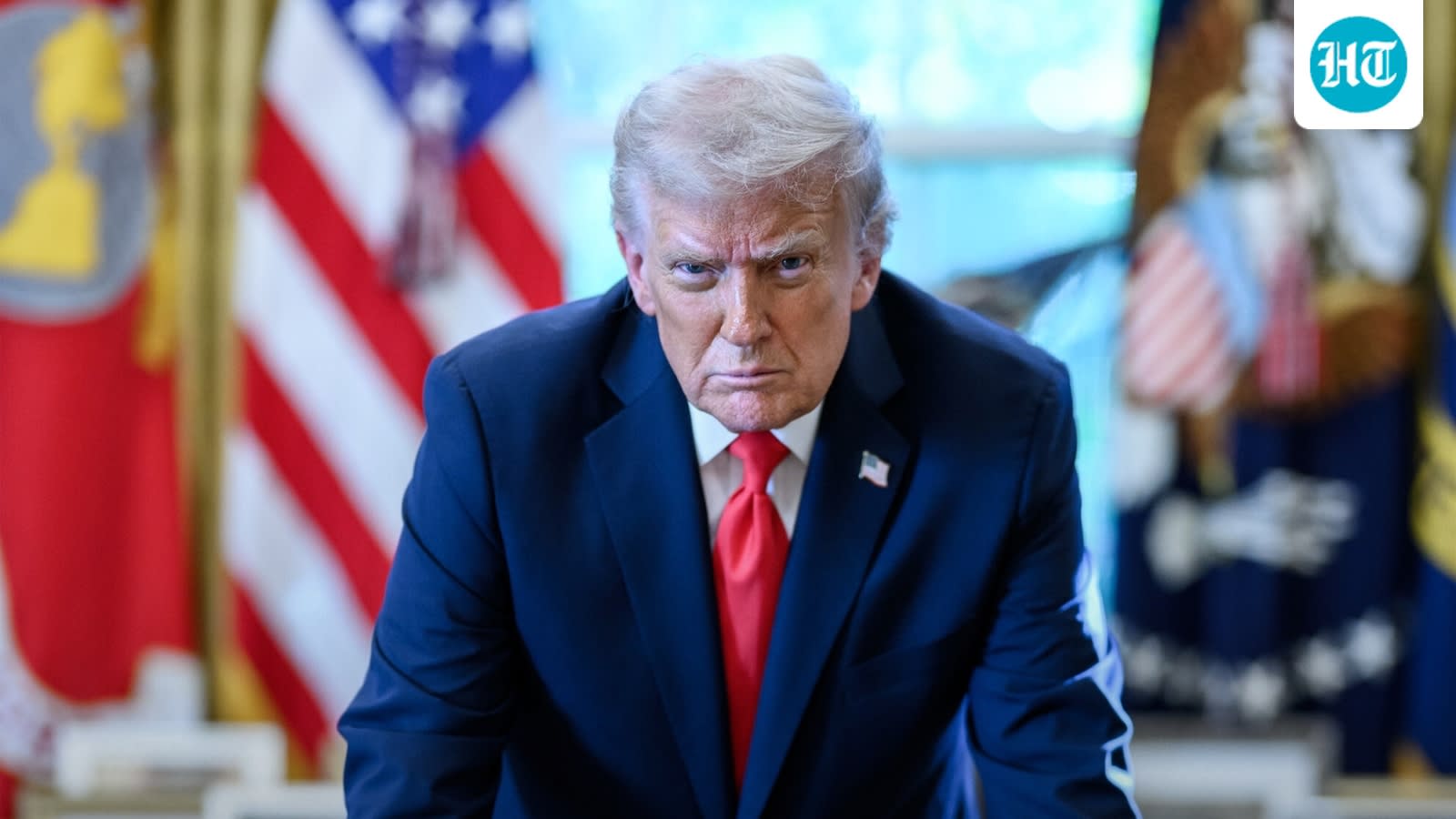
The 2026 US midterm elections will determine congressional control for the final two years of President Donald Trump's term. Voters are weighing the GOP's agenda against concerns over the cost of living and international conflicts.
The 2026 Midterm Landscape: A Litmus Test for the Trump Presidency
As the United States approaches the 2026 midterm elections on Tuesday, November 3, the political atmosphere is charged with high stakes. These elections represent the first nationwide referendum on the administration of President Donald Trump. With voters heading to the polls to decide the control of Congress, the results will effectively dictate the legislative landscape for the final two years of his term, determining whether the executive branch faces a check on its power or receives a mandate to continue its current trajectory.
A Shifting Battleground Map
The electoral map for 2026 presents a unique configuration that diverges significantly from the 2024 presidential election. States like Maine and Michigan have emerged as critical battlegrounds, showcasing the complexities of split-ticket voting. Maine, which favored the Democratic Party in the 2024 presidential cycle, is concurrently hosting a high-stakes race for a Republican-held Senate seat. Conversely, Michigan—a state that supported Donald Trump in 2024—is now home to intensely competitive races for the Senate, the governorship, and multiple House districts, illustrating that local dynamics often defy national partisan trends.
The Scope of the Mandate
The 2026 midterms involve a comprehensive restructuring of the American legislative and executive landscape. Americans are casting ballots for all 435 seats in the House of Representatives, 35 Senate seats—including two special elections—and 36 gubernatorial positions. This massive mobilization of the electorate serves as a barometer for public sentiment regarding the 'Make America Great Again' (MAGA) narrative, which remains a central pillar of Republican platform strategy during this cycle.
Economic and Global Pressures
Underlying the political maneuvering are significant voter concerns that could sway the outcome. Reports of widespread frustration regarding the rising cost of living have made economic policy a primary concern for the average American household. Furthermore, the geopolitical environment, specifically the ongoing US-Israel conflict involving Iran, has added a layer of complexity to the national discourse. These issues are forcing candidates to address not only domestic stability but also the administration’s handling of volatile international relations.
Implications for 2028
Beyond the immediate impact on the legislative balance of power, the 2026 results will serve as a foundational influence for the 2028 presidential race. Both the Republican and Democratic parties are looking to these results to refine their messaging and policy priorities. The outcome will act as a diagnostic tool, helping party strategists understand which narratives resonate most effectively with the electorate, thereby shaping the primary processes and candidate selection for the next presidential cycle.
Global Tracking and Conclusion
Interest in these elections extends well beyond US borders. With the first polling stations in the United States closing, observers in India and globally are tracking the results, with initial counts expected to emerge early Wednesday morning, November 4, IST. Ultimately, the 2026 midterms are more than a simple legislative contest; they are a pivotal moment in American history that will clarify the nation's direction for the remainder of the current presidential term and set the stage for the political battles of the future.
Multiple Citing Sources
Verification Required?