In the US midterm results, voters’ message to Democrats: Fight Trump
Source Entity
Jonah Blank
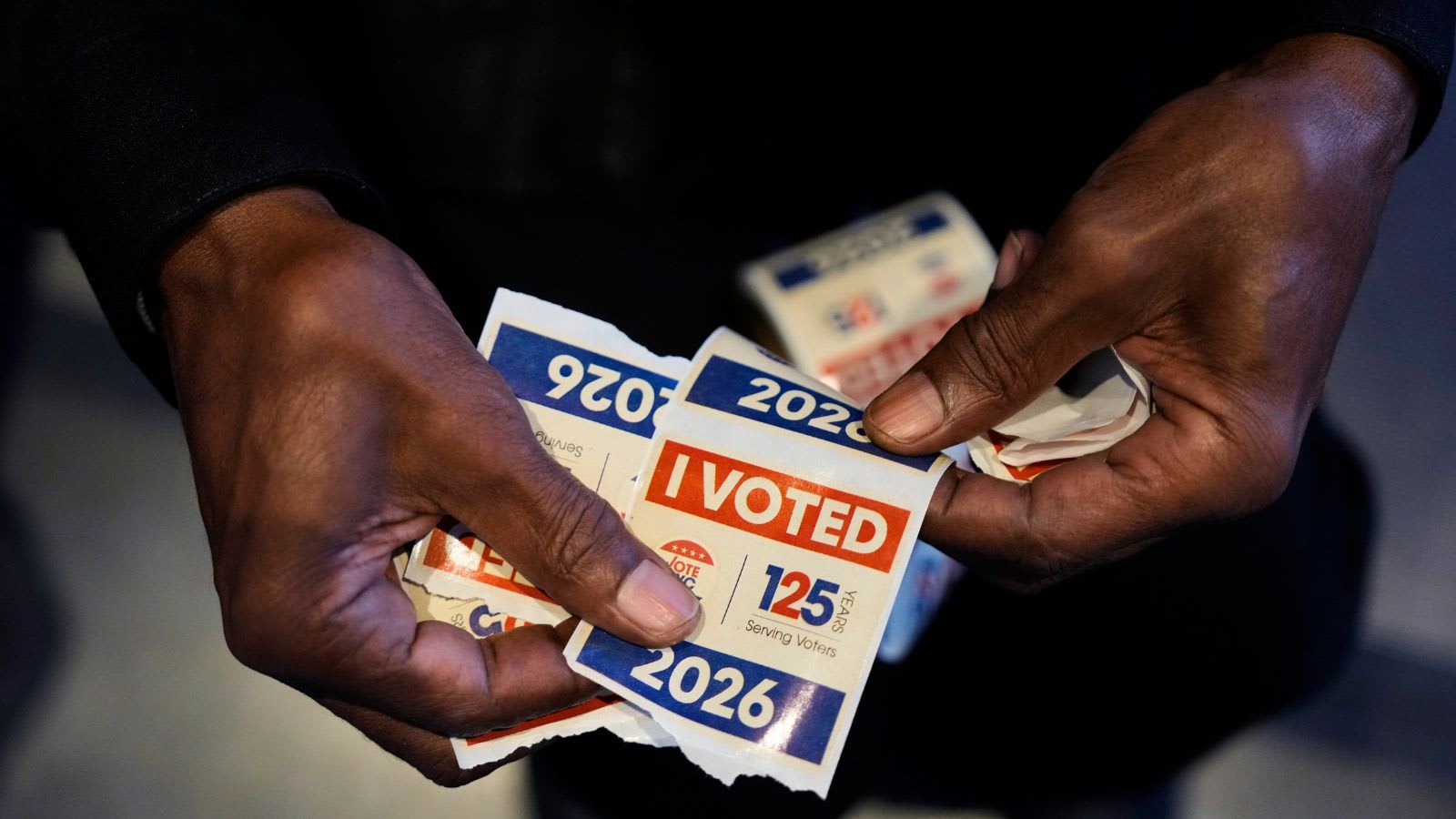
The 2026 US midterm elections will determine control of Congress for the final two years of President Trump's term. Key races in states like Maine and Michigan serve as a litmus test for voter sentiment on the economy and foreign policy.
The 2026 Midterm Landscape: A Litmus Test for the Trump Administration
As the United States approaches the 2026 midterm elections on Tuesday, November 3, the political atmosphere is charged with anticipation. These elections represent a critical juncture, as they will determine the balance of power in Congress for the final two years of President Donald Trump’s term. Unlike the national focus of a presidential cycle, the midterms shift the spotlight to localized battles across 435 House seats, 35 Senate races, and 36 gubernatorial contests, each carrying significant weight for the legislative trajectory of the country.
The Shifting Battleground Map
The electoral map for 2026 reflects a complex divergence from the 2024 presidential election. A primary example is Maine, a state that supported the Democratic Party in 2024 but currently features a Republican senator seeking re-election. Conversely, Michigan—which voted for Donald Trump—is now host to highly competitive races for its Senate seat, governorship, and several House districts. This geographic variance underscores how midterm dynamics are driven by specific local issues, candidate quality, and regional voter priorities rather than the singular national narrative that often dictates presidential outcomes.
Economic Frustrations and Foreign Policy
Central to the 2026 discourse are pervasive voter frustrations regarding the cost of living. These economic concerns, coupled with the geopolitical implications of the US-Israel conflict with Iran, serve as the primary drivers of voter sentiment. The election is widely viewed as the first major nationwide litmus test of the Trump presidency. Voters are effectively deciding whether to grant the Republican Party a continued mandate to pursue its "Make America Great Again" (MAGA) agenda or to provide a check on executive power by flipping one or both chambers of Congress to the Democrats.
Strategic Implications for 2028
The results of these midterms will have far-reaching consequences that extend well beyond the immediate legislative session. Political analysts are looking to these returns to redefine the internal debates within both the Republican and Democratic parties. The performance of specific candidates and the success of various policy platforms will serve as a bellwether for the 2028 presidential race, signaling which ideological messages resonate most effectively with the American electorate in a post-2024 landscape.
Global Tracking and Conclusion
Given the significance of the US role in global affairs, international interest in these results remains high. For observers in regions like India, the polling process is being closely monitored, with the first results expected to emerge in the early hours of Wednesday, November 4, IST. As the polls open and close across the United States, the final tally will not only dictate the legislative reality of the next two years but will also set the foundational tone for the upcoming cycle of American political succession.
Multiple Citing Sources