10 U.S. metro areas where builders are slashing prices on new homes
Source Entity
Aarthi Swaminathan
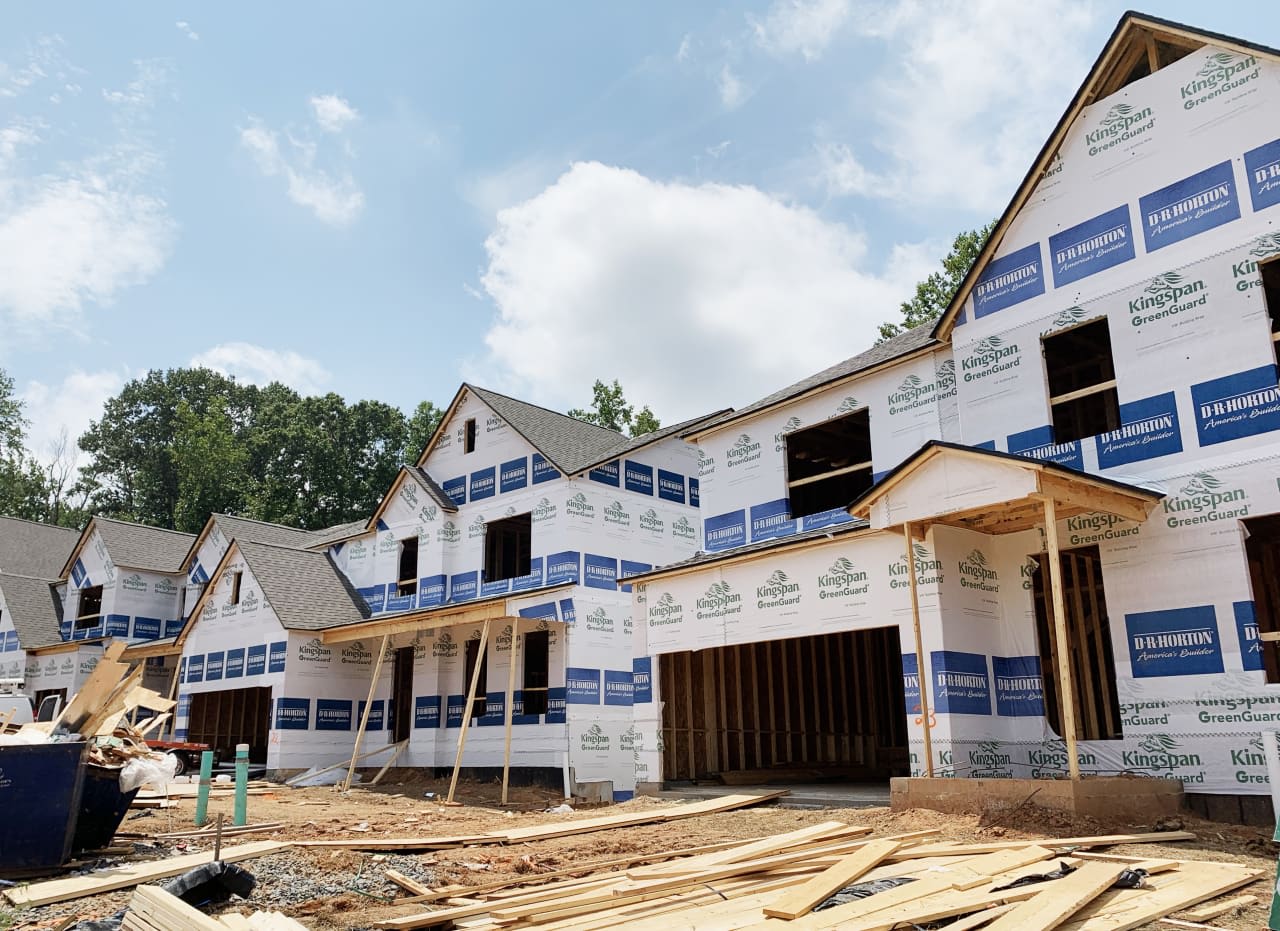
New home builders in 10 U.S. metro areas are slashing prices to attract buyers. This trend occurs despite existing-home prices reaching new record highs.
The Great Housing Divergence: New Construction vs. Existing Home Prices
The United States housing market is currently navigating a striking paradox. While existing-home prices have surged to record-breaking heights, a counter-trend is emerging within the new construction sector. In at least ten major metropolitan areas, home builders are aggressively slashing prices to move inventory, creating a fragmented market where the cost of a home depends heavily on whether it is a resale or a brand-new build.
The 'Locked-In' Effect and Existing Home Records
To understand why existing-home prices are hitting record highs, one must look at the current inventory crisis. A significant portion of current homeowners are "locked-in" to historically low mortgage rates secured during the pandemic era. Selling their current home would mean financing a new one at significantly higher current rates, effectively removing a massive volume of potential listings from the market. This artificial scarcity has created a seller's market for existing properties, driving prices upward even as buyer affordability declines.
The Builder's Dilemma: Carrying Costs and Desperation
In contrast to individual homeowners, professional builders operate on tight margins and high-interest construction loans. Every day a newly completed home sits vacant, the builder incurs "carrying costs," including taxes, insurance, and interest payments. As high mortgage rates dampen the pool of eligible buyers, builders are becoming desperate to liquidate their stock. This desperation manifests as direct price cuts, as it is often more financially viable for a builder to sell at a discount than to hold onto an unsold asset.
Regional Imbalances and Market Saturation
The fact that these price cuts are concentrated in specific metro areas suggests a regional imbalance in supply and demand. In markets where construction boomed over the last few years—particularly in high-growth suburban regions—supply has finally begun to outpace demand. In these specific hubs, the surplus of new homes has forced builders into a price war, shifting the leverage back to the buyer in a way that is not seen in the broader existing-home market.
Strategic Incentives and Rate Buy-Downs
Beyond simple price reductions, builders are employing complex financial incentives to attract buyers. A common tactic is the "mortgage rate buy-down," where the builder pays a lump sum to the lender to lower the buyer's interest rate for the first few years of the loan. While this may not always appear as a direct reduction in the sticker price, it functions as a significant discount by reducing the monthly payment, making new homes more competitive than existing ones.
Broader Economic Implications and Future Trends
This divergence creates a unique window of opportunity for homebuyers who have been priced out of the resale market. For the first time in years, new construction may offer better value and lower entry costs than older homes. However, this trend also signals a potential ceiling on housing affordability. If builders continue to slash prices because buyers simply cannot afford the previous asking prices, it may eventually put downward pressure on existing-home prices as well, should the inventory lock-in effect ever break.
Summary of Market Outlook
In summary, the current U.S. housing landscape is a tale of two markets. The existing-home sector remains buoyed by a lack of supply, while the new-home sector is grappling with an inventory overhang and high borrowing costs. As builders in key metro areas continue to lower prices, we can expect a shift in buyer preference toward new developments, which may eventually force a broader correction across the entire residential real estate sector.
Verification Required?