U.S. Strategic Petroleum Reserve faces stress as emergency releases strain old infrastructure
Source Entity
US Top News and Analysis
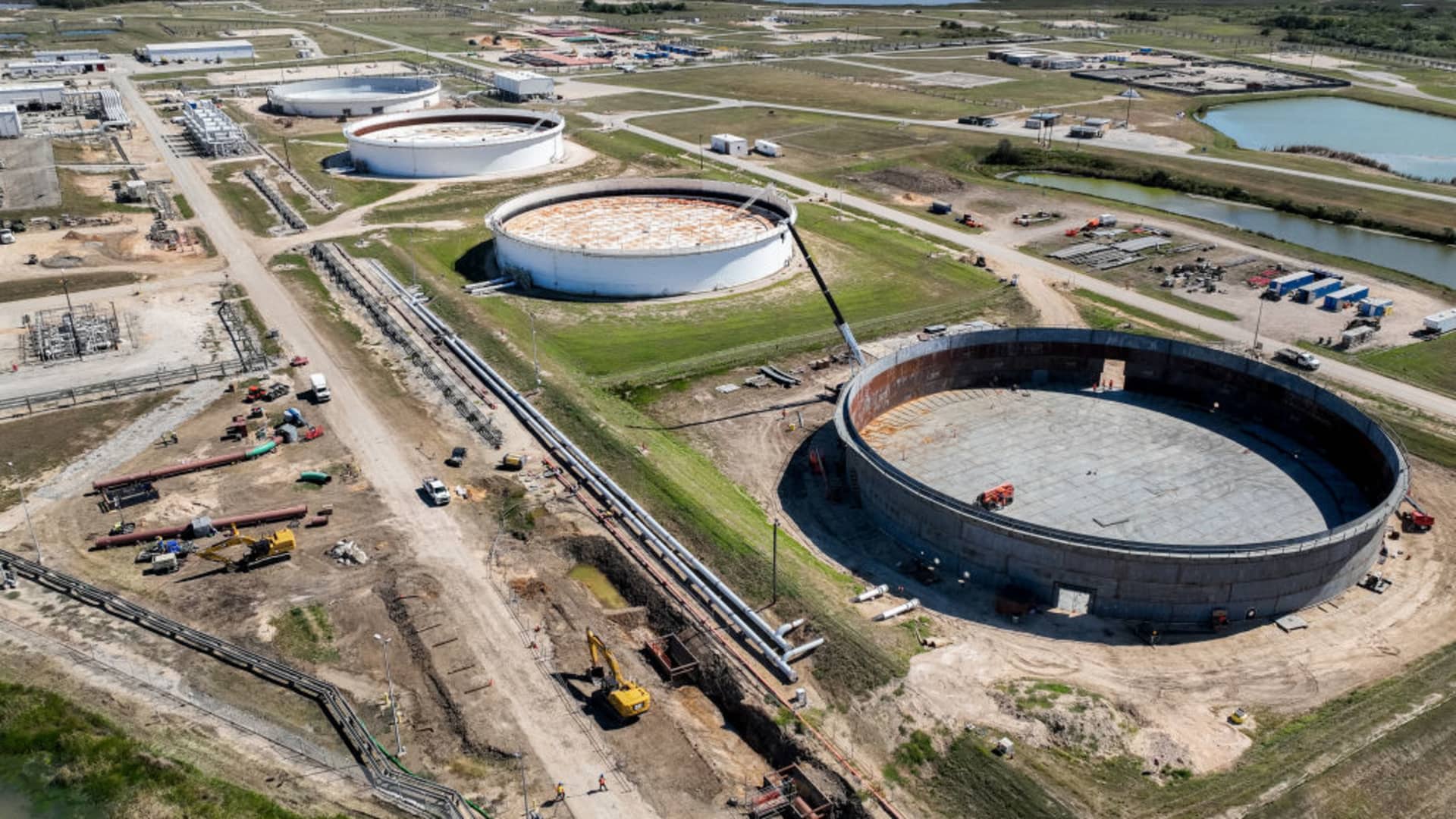
The U.S. Strategic Petroleum Reserve has reached its lowest levels since 1983 due to emergency releases. Aging infrastructure now threatens the nation's future energy security and drawdown capabilities.
The Fragile State of U.S. Energy Security
The U.S. Strategic Petroleum Reserve (SPR), once considered the ultimate insurance policy for American energy independence, is currently facing a period of unprecedented operational strain. With authorized storage capacity standing at 714 million barrels, the reserve was designed to act as a critical buffer against global supply shocks. However, recent geopolitical volatility—specifically the ongoing conflicts in the Middle East and Russia’s invasion of Ukraine—has necessitated massive, sustained withdrawals that have pushed the stockpile to its lowest level since March 1983.
The Cost of Geopolitical Intervention
Over the past four years, the federal government has withdrawn 352 million barrels of crude oil to mitigate supply disruptions and combat price volatility. While these interventions were intended to stabilize domestic markets during times of international turmoil, the sheer volume of these releases has exerted immense pressure on the physical infrastructure of the reserve. The rapid drawdown has essentially functioned as an emergency stress test for a system that was not originally engineered for such sustained, high-intensity activity.
Infrastructure Decay and 'Band-Aid' Maintenance
Perhaps most concerning is the physical condition of the SPR’s assets. Federal auditors have highlighted that the network of pipelines, salt caverns, and storage tanks is showing significant signs of wear. Department of Energy officials have candidly admitted that the infrastructure is currently being held together with "Band-Aids," raising serious questions about the long-term viability of these facilities. The degradation of this hardware is not merely a maintenance issue; it is a fundamental threat to the nation's ability to respond to future crises.
Risks to Future Emergency Response
According to findings from recent federal audits, the SPR’s capacity to distribute oil in a meaningful way during a future emergency is increasingly at risk. The reliance on aging infrastructure means that the very "drawdown, distribution, and fill capabilities" that define the reserve's utility are now uncertain. If the system cannot reliably move oil from the caverns to the market when needed, the strategic value of the reserve is effectively neutralized, leaving the U.S. vulnerable to sudden energy shortages.
Future Trends and Strategic Implications
Looking ahead, the U.S. faces a difficult balancing act. Policymakers must decide whether to prioritize the immediate replenishment of the reserve or focus on a massive, costly overhaul of the physical infrastructure. Given that current officials have expressed uncertainty regarding how long the existing "Band-Aids" will hold, a failure to modernize the SPR could have profound economic consequences. The future of American energy security depends not just on the volume of oil stored, but on the structural integrity of the vessels that house it.