US strikes hit Iran for seventh consecutive night
Source Entity
BBC News
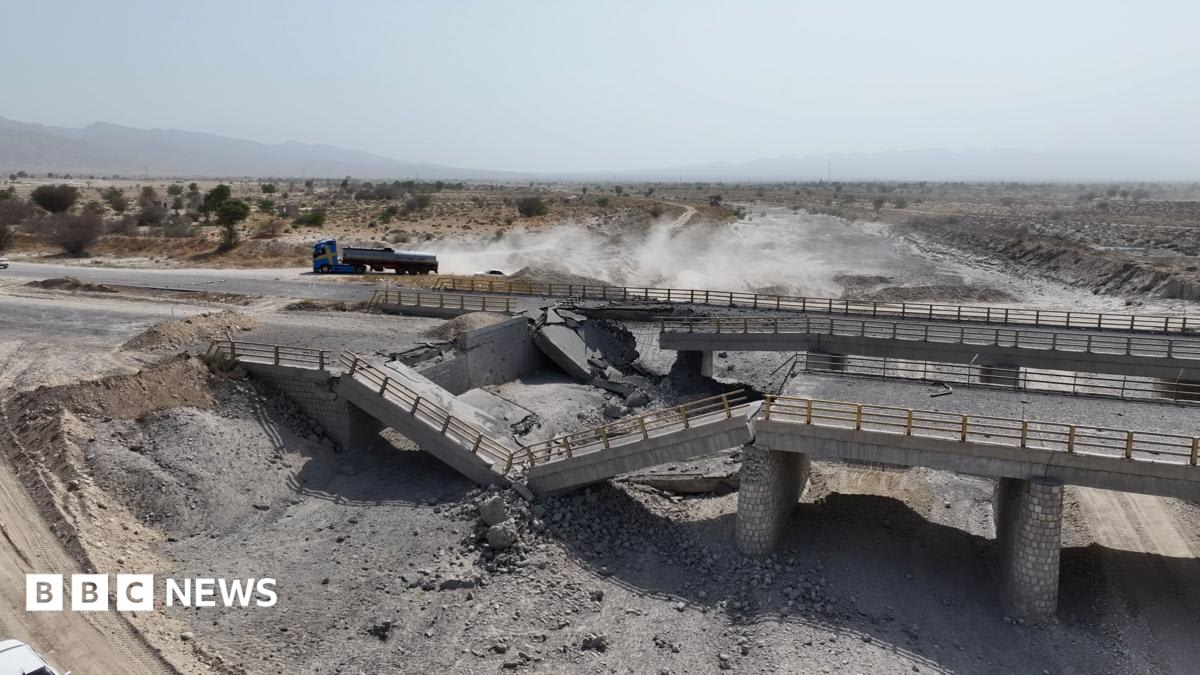
The US has launched a seventh consecutive night of strikes against Iranian military infrastructure following the collapse of a ceasefire. Tensions have spiked as Iran reports maritime explosions in the Strait of Hormuz and missiles are intercepted over Jordan.
Escalation in the Middle East: US-Iran Tensions Resurge
The recent military engagements, marking the seventh consecutive night of U.S. strikes against Iranian targets, signal a significant breakdown in regional stability following President Donald Trump’s declaration that the temporary ceasefire agreement is officially over. This rapid deterioration of diplomatic efforts has transitioned the conflict into a high-intensity phase, with the U.S. Central Command (Centcom) explicitly stating its objective is to systematically degrade Iran’s armed forces.
Strategic Objectives of the U.S. Campaign
According to official statements released by Centcom, the scope of these operations is extensive. By targeting surveillance sites, military logistics infrastructure, and underground weapons storage facilities, the U.S. is seeking to neutralize Iran’s long-term offensive capabilities. The inclusion of 'maritime capabilities' in the target set reflects a strategic focus on the Persian Gulf, aiming to prevent the Iranian military from projecting power or threatening international shipping lanes through its naval assets.
The Strait of Hormuz and Maritime Volatility
Central to the current crisis is the Strait of Hormuz, a critical chokepoint for global oil transit. The Iranian Revolutionary Guard Corps (IRGC) reported that two oil tankers exploded while passing through a mined sector of the channel. While Centcom has dismissed these claims as false, the mere mention of such incidents highlights the vulnerability of global energy markets to the ongoing conflict. If mining activity were confirmed, it would represent a significant escalation in maritime warfare tactics.
Regional Spillover: The Jordan Interception
Beyond the immediate U.S.-Iran theater, the conflict is increasingly affecting neighboring nations. The Jordanian armed forces reported the interception of 10 Iranian missiles within their airspace overnight. While there were no reported casualties or damage, this event illustrates the broader regional risks. Jordan’s involvement underscores the potential for the conflict to expand into a multi-state confrontation, forcing neutral neighbors to take defensive actions against stray or intentional projectiles.
Future Implications and Operational Trends
As the U.S. military concluded its latest wave of strikes at 21:30 ET, the pattern of 'nightly' operations suggests a sustained campaign rather than a singular retaliatory action. The use of sophisticated weaponry and the focus on underground infrastructure indicate that the U.S. is prioritizing the destruction of entrenched military assets that could threaten regional security in the long term.
Conclusion
The collapse of the ceasefire has reset the clock on Middle Eastern regional security, leading to a period of intense kinetic engagement. With the U.S. committed to degrading Iranian capabilities and Iran maintaining an aggressive posture—evidenced by reports of maritime instability and missile launches—the situation remains volatile. Observers should monitor the intensity of these nightly strikes and the potential for diplomatic backchannels to reopen before the conflict necessitates a broader escalation.