US targets Iran’s crypto sector, cites over $100M in oil-linked payments
Source Entity
Cointelegraph by Ezra Reguerra
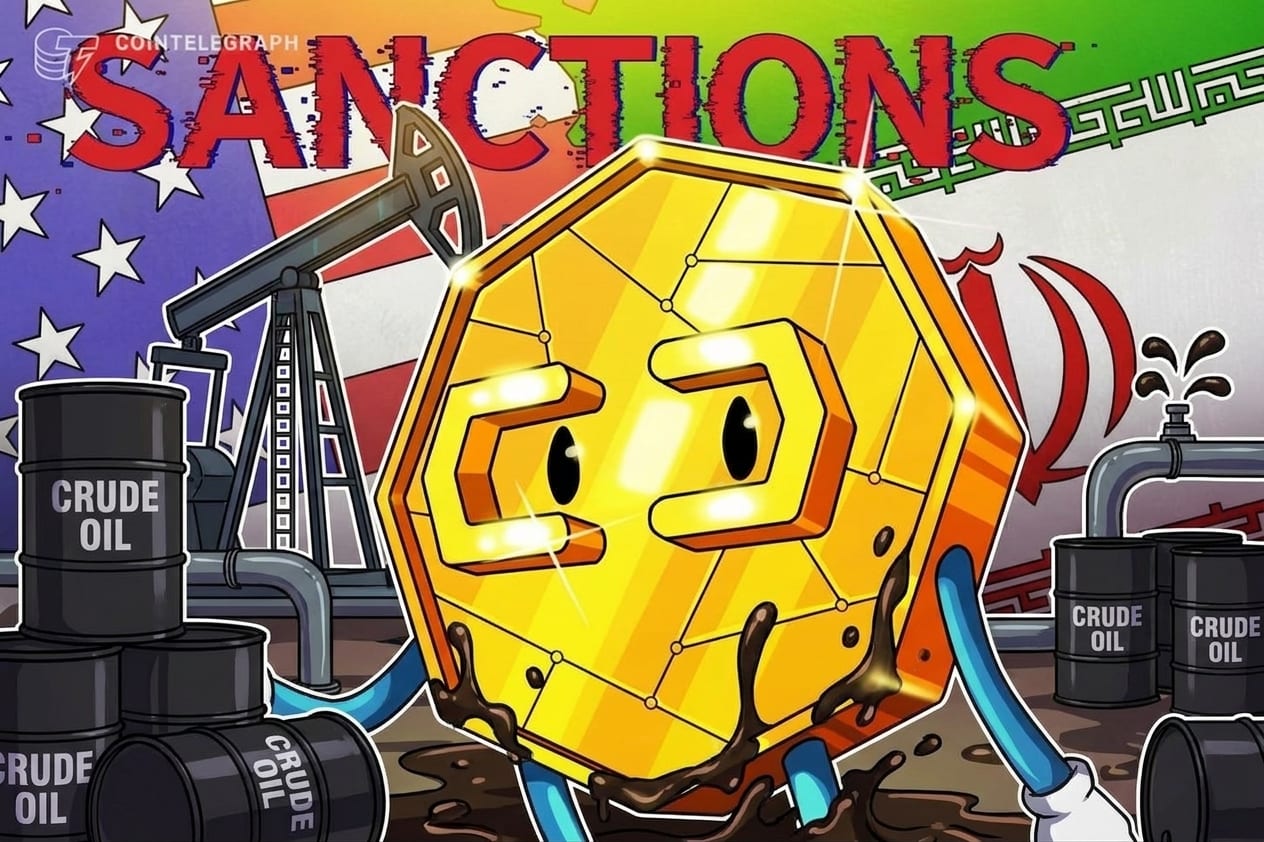
The US Treasury has expanded sanctions on Iran's digital asset sector to combat over $100 million in illicit oil-linked crypto payments. These measures, involving nearly 60 entities, highlight the complex challenge of enforcing economic pressure on Iran while navigating potential tensions with China, its primary oil buyer.
US Escalates Financial Pressure on Iran via Digital Assets
The United States Treasury Department has taken a significant step in its ongoing efforts to curb Iran's economic activities by expanding its sanctions framework to include the digital asset sector. This move follows allegations that a UAE-based broker facilitated more than $100 million in cryptocurrency payments specifically linked to Iranian oil sales. By targeting the intersection of decentralized finance and state-sanctioned commerce, the US is attempting to close loopholes that have allowed the Iranian regime to bypass traditional banking restrictions.
Broadening the Scope of OFAC Sanctions
The Office of Foreign Assets Control (OFAC) has issued new sectoral determinations that extend beyond digital assets to encompass technology, gold, aviation, and shipping. This aggressive expansion is underscored by the designation of nearly 60 entities, individuals, and vessels involved in nuclear, missile, cyber, and oil networks. Scott Bessent, in his role overseeing these measures, has unveiled a robust list of targets, signaling a shift toward a more comprehensive and multi-sectoral approach to economic containment.
The Cryptocurrency Loophole
For years, international sanctions have relied on the visibility of the global financial system to monitor and block prohibited transactions. The rise of digital assets has provided a layer of obfuscation, allowing actors to move value across borders with less oversight. The US Treasury’s recognition of a UAE-based broker moving over $100 million in crypto demonstrates that the US government is now prioritizing the policing of blockchain-based trade to prevent Iran from monetizing its oil reserves through non-traditional financial channels.
The China Factor: A Geopolitical Dilemma
While the sanctions target intermediaries, the core of the issue remains Iran's primary export market. With approximately 90% of Iranian crude oil exports flowing to China, any attempt to enforce a total economic blockade faces a major hurdle. The effectiveness of these 'D-Day' style sanctions—a term being used to describe the intensity of the new pressure campaign—hinges on the US government's willingness to target Chinese companies. Blacklisting these entities could trigger a severe economic confrontation between Washington and Beijing, creating a delicate balance between national security goals and global economic stability.
Implications and Future Trends
Looking ahead, the success of these measures depends on the enforcement of secondary sanctions. If the US decides to penalize any nation or company facilitating Iranian trade, the global market may see a shift in how energy transactions are denominated and cleared. The move signals that the US is prepared to engage in a long-term strategy of financial warfare, using every tool at its disposal to isolate Iranian revenue streams. Whether this leads to a change in Iranian behavior or simply forces them to seek even more opaque methods of trade remains a critical question for international policy experts.
Multiple Citing Sources