USTR's Greer huddles with House Republicans amid Trump trade spats
Source Entity
US Top News and Analysis
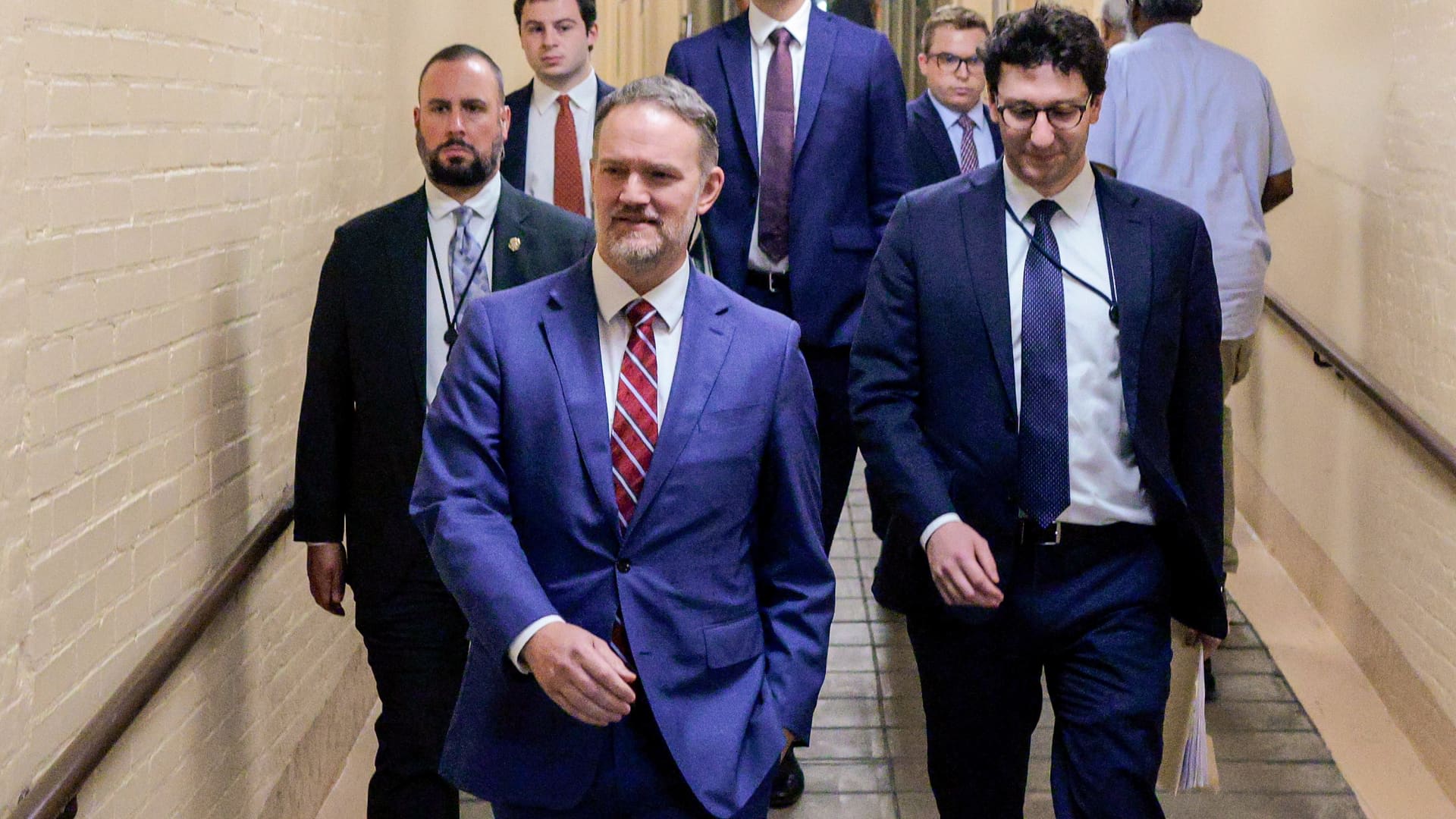
USTR Jamieson Greer met with House Republicans to address mounting concerns over President Trump's trade policies. Lawmakers expressed significant opposition to proposed beef import tariff reductions and the broader trade conflict with Canada.
Trade Tensions Mount: USTR Greer Faces Congressional Scrutiny
On September 2, 2026, U.S. Trade Representative Jamieson Greer convened with House Republicans at the U.S. Capitol to navigate the growing political fallout surrounding President Donald Trump’s trade agenda. The meeting served as a crucial pressure valve for lawmakers grappling with the domestic consequences of the administration's aggressive trade maneuvers, specifically regarding the agricultural sector and ongoing friction with Canada.
The Beef Import Controversy
At the center of the unrest is the administration's proposal to lower tariffs on 300,000 metric tons of imported beef. This policy has triggered a swift and vocal backlash from the American cattle ranching community, who fear that an influx of foreign beef will suppress local prices and jeopardize their livelihoods. For House Republicans, many of whom represent rural districts heavily reliant on the livestock industry, this decision represents a significant political liability that directly contradicts the interests of their core constituency.
Navigating the Canadian Trade War
Beyond the specific issue of beef, the meeting underscored a broader anxiety regarding the escalating trade war with Canada. Rep. Ralph Norman, R-S.C., characterized the session as a "lively discussion," confirming that lawmakers used the opportunity to express profound reservations about the direction of these international trade relations. The reliance on Canada for supply chain stability and the potential for retaliatory measures remain primary concerns for legislators concerned about economic stability.
The Political Calculus of the Midterms
Greer’s remarks following the meeting highlighted the administration's awareness of the current political climate. By acknowledging the impending midterms, Greer signaled that the White House is cognizant of the political timeline and the urgency required to find a "meaningful result." This indicates a potential pivot toward negotiation, as the administration seeks to balance its protectionist trade strategy with the electoral necessity of maintaining support within its own party.
Future Outlook and Policy Trajectory
While Greer maintained a measured tone, suggesting that a resolution is possible, the path forward remains complex. The administration is currently caught between its desire to exert leverage through tariff policy and the need to preserve essential economic alliances. The coming months will likely see a series of calibrated adjustments to these trade policies as the White House attempts to mitigate the backlash from both the ranching industry and congressional allies before the electoral cycle reaches its peak.
Conclusion
The meeting between USTR Greer and House Republicans marks a pivotal moment in the administration's trade strategy. With stakeholders demanding clarity on both beef imports and the status of Canadian relations, the pressure on the Office of the United States Trade Representative to deliver a favorable compromise has never been higher. Whether the administration can reconcile its trade goals with the economic realities faced by ranchers and the political concerns of lawmakers will be a defining feature of the current legislative session.