Badenoch accuses Burnham of kicking defence spending into the long grass
Source Entity
BBC News
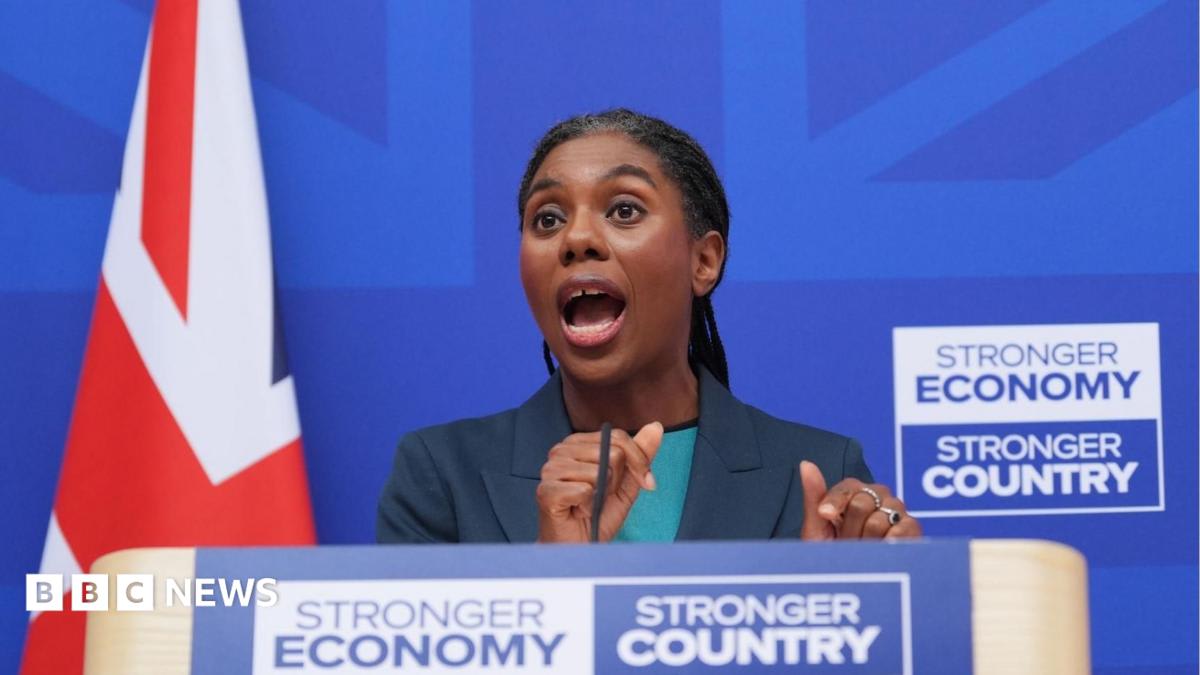
Conservative leader Kemi Badenoch has criticized Prime Minister Andy Burnham for delaying defence spending commitments. Badenoch proposes reaching 3% of GDP by 2030, while Burnham aims for 3.5% by 2035.
The Debate Over Defence Spending: A Strategic Divide
The recent clash between Conservative leader Kemi Badenoch and Prime Minister Andy Burnham highlights a fundamental disagreement regarding the urgency of national security investments. As global geopolitical tensions rise, Badenoch has sharply criticized the current administration for what she describes as "kicking defence spending into the long grass." This critique centers on the timeline for reaching increased military funding, a subject that has become a defining point of contention in the current political landscape.
The Conservative Proposal: A 2030 Deadline
Kemi Badenoch has laid out a clear, accelerated roadmap, pledging that a Conservative government would increase defence spending to 3% of GDP by 2030. To facilitate this £10bn annual commitment, the party has identified specific fiscal levers, including the reimposition of the two-child benefit cap, reforms to housing benefits, and the termination of VAT exemptions for Motability cars. This policy shift is framed by Badenoch as a necessary response to the growing threats posed by adversarial states such as Russia and Iran.
The Government Stance: Long-Term Targets
In contrast, Prime Minister Andy Burnham’s government has opted for a more extended timeline. While the administration acknowledges the necessity of meeting NATO guidelines, their current commitment focuses on reaching a 3.5% of GDP threshold by 2035. The government has indicated that a detailed plan to achieve this figure will be unveiled in the spring, a delay that Badenoch argues is insufficient given the immediate volatility of the international security environment.
Geopolitical Context and Urgency
The driving force behind Badenoch’s sense of urgency is her assessment of the global threat landscape. By stating that "conflict is coming," she is emphasizing a proactive stance on national security that prioritizes military preparedness over other fiscal priorities. This rhetoric reflects a broader ideological divide regarding the role of the state in protecting national interests against external aggression, contrasting the immediate rearmament approach of the Conservatives with the government’s more measured, long-term trajectory.
Broader Implications for Fiscal Policy
The debate also underscores the difficult trade-offs inherent in modern governance. By tethering defence spending increases to specific welfare and tax reforms, the Conservative party is signaling that a pivot toward a "security-first" agenda will necessitate significant adjustments to domestic policy. This creates a clear electoral choice for the public: prioritize an immediate, robust expansion of military capability at the cost of current social support structures, or follow a slower path toward a higher long-term NATO target.
Conclusion: A Defining Election Issue
Ultimately, the disagreement between Badenoch and Burnham over the 2030 versus 2035 timeframe serves as a microcosm of the current national debate on security. As the government prepares its spring announcement, the political pressure to justify the timeline for military investment will likely intensify. The outcome of this discourse will not only define the UK's military posture for the next decade but will also shape the fiscal and social priorities of the nation in the face of an unpredictable global order.