SC: BCI chair's tenure is for 2 years, can't be made 5 years by own resolution
Source Entity
DHANANJAY MAHAPATRA
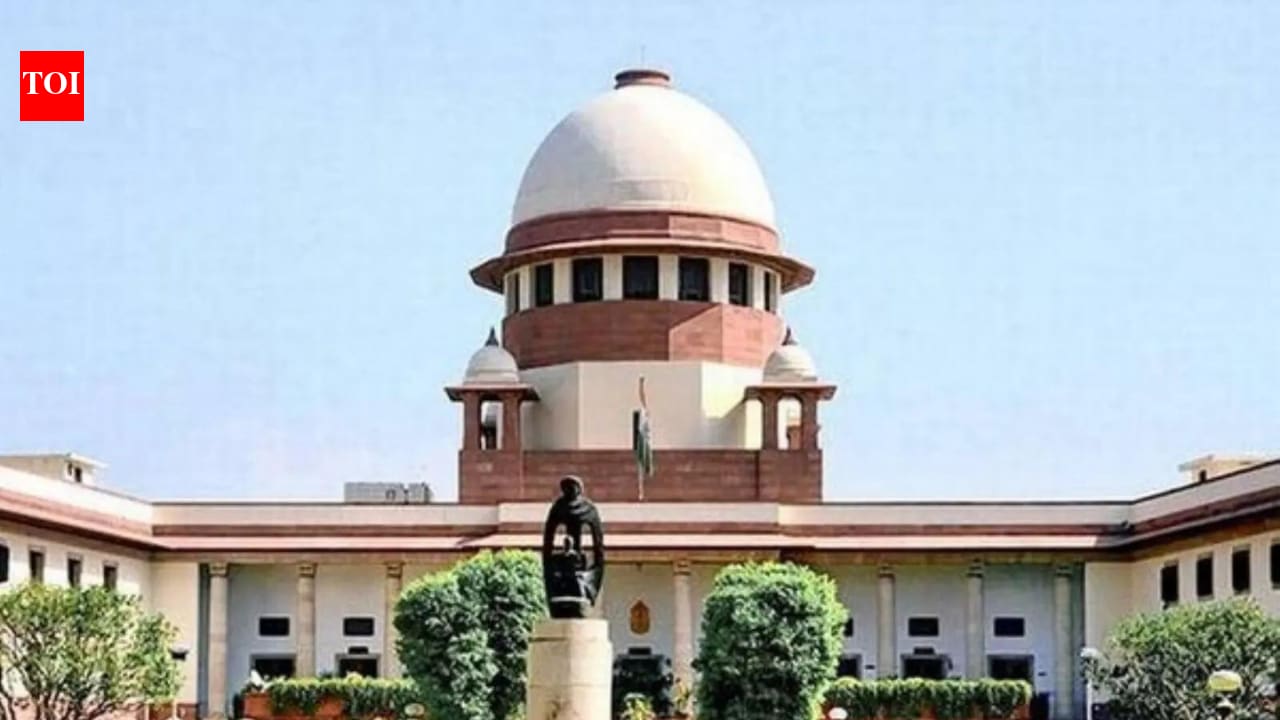
The Supreme Court has struck down a Bar Council of India resolution extending the chairperson's tenure from two to five years. The court affirmed that statutory limits cannot be overridden by internal resolutions amid allegations of financial mismanagement.
Supreme Court Reins in Bar Council of India Tenure Extension
In a significant judicial intervention, the Supreme Court of India has invalidated a resolution passed by the Bar Council of India (BCI) that sought to extend the tenure of its chairperson, Manan Kumar Mishra, from the statutorily mandated two years to five years. A bench led by Chief Justice Surya Kant, alongside Justices Joymalya Bagchi and V Mohana, clarified that internal resolutions cannot supersede the governing statutes that define the BCI's administrative structure. This ruling underscores the judiciary's commitment to upholding the rule of law within professional regulatory bodies.
The Legal Conflict Over Tenure
The controversy arose from two Public Interest Litigations (PILs) filed against the BCI, which challenged the legality of an April 2025 resolution. The petitioners argued that the BCI exceeded its legal authority by unilaterally altering the tenure provisions. The Supreme Court's firm stance serves as a reminder that regulatory bodies, which hold significant power over the legal profession, must operate strictly within the legislative framework established by Parliament, rather than through self-serving internal governance changes.
Financial Oversight and 'Lavish' Spending
Beyond the tenure dispute, the PILs raised critical questions regarding the financial transparency of the BCI. The petitioners specifically highlighted what they termed 'lavish spending' of crores of rupees on felicitation functions. This allegation points to a broader concern regarding the stewardship of funds collected from the legal community. By bringing these expenditures into the public eye, the petitioners have forced a dialogue on the necessity of fiscal discipline and accountability within the apex regulatory body for lawyers.
Broader Implications for Professional Regulation
The BCI plays a crucial role in maintaining standards for legal education and professional conduct in India. When the legitimacy of its leadership and the transparency of its financial operations are called into question, it risks eroding the trust of the legal fraternity it serves. This Supreme Court ruling acts as a corrective measure, ensuring that the BCI remains accountable to the statutory requirements that define its existence and limits its power to prevent the concentration of authority.
Future Trends in Administrative Accountability
This case sets a precedent that will likely influence how other professional regulatory bodies manage their internal governance. As public scrutiny of non-governmental and semi-governmental organizations intensifies, bodies like the BCI will be under increased pressure to demonstrate transparency. The court's decision suggests a trend toward stricter judicial oversight, where any attempt to deviate from established legislative norms will be swiftly addressed to maintain institutional integrity.
Conclusion
The Supreme Court’s decision is a definitive check on the BCI's attempt to extend its leadership's tenure through internal fiat. By reinforcing that statutory terms are non-negotiable, the court has safeguarded the structural integrity of the BCI. Moving forward, the council will likely face increased scrutiny regarding its financial practices, necessitating a shift toward greater transparency to restore the confidence of the legal community and the public at large.