Uttarakhand CM Dhami calls for research-driven policy making and better implementation
Source Entity
Latest News: Todays Latest News Headlines from India & World | Hindustan Times | Hindustan Times
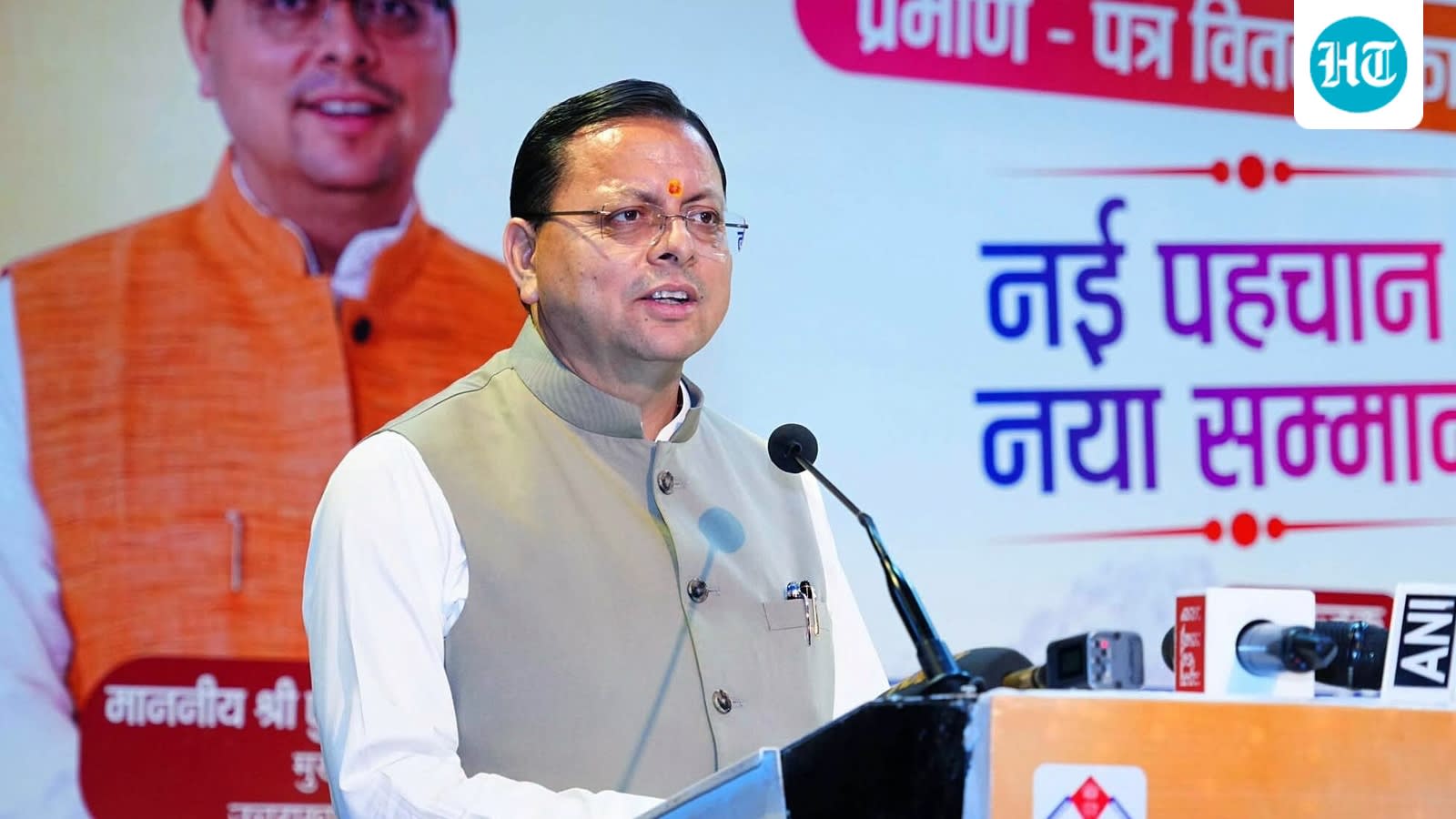
Uttarakhand Chief Minister Pushkar Singh Dhami has emphasized research-driven governance while simultaneously strengthening the state's workforce. He recently distributed appointment letters to 101 new officials in the animal husbandry and sugar sectors, highlighting a commitment to both administrative capacity and transparent recruitment.
Advancing Governance: Uttarakhand’s Strategic Policy Shift
Uttarakhand Chief Minister Pushkar Singh Dhami has recently taken a multifaceted approach to state administration, focusing simultaneously on intellectual policy frameworks and the strengthening of the government workforce. By chairing the governing body meeting of the Uttarakhand State Centre for Public Policy and Good Governance (USCPPGG), the Chief Minister has signaled a departure from traditional administrative models toward a more data-centric, research-oriented methodology tailored to the unique topographical and socioeconomic hurdles of a Himalayan state.
Prioritizing Research and Innovation
The mandate provided to the USCPPGG reflects an understanding that generic policy templates are often insufficient for Uttarakhand’s specific geographical challenges. By calling for policies that account for local conditions and future requirements, CM Dhami is positioning the state to better handle infrastructure development, disaster management, and resource allocation. The emphasis on utilizing case studies to document regional successes suggests an intent to create a replicable knowledge base that can inform future administrative decisions and optimize existing schemes.
Strengthening the Administrative Backbone
Parallel to his focus on high-level policy reform, the Chief Minister has addressed the human resource requirements of the state by inducting 101 new officials into the Animal Husbandry and Sugarcane Development departments. By appointing 88 Livestock Extension Officers and 13 Sugarcane Supervisors, the government is directly investing in the primary sectors that drive Uttarakhand’s rural economy. This influx of personnel is designed to bolster grassroots implementation of state-led agricultural and pastoral development initiatives.
The Role of Transparency and Capacity Building
A critical component of the Chief Minister’s current agenda is the cultivation of a more efficient civil service. By encouraging new recruits to bring fresh ideas and energy to their respective roles, the administration is attempting to modernize the bureaucracy. Furthermore, the mention of the state’s strict anti-copying law highlights a broader administrative commitment to meritocracy, ensuring that those entering the government workforce are selected through transparent and rigorous processes.
Future Implications and Policy Sustainability
The dual focus on institutional research and human capital development suggests a long-term vision for Uttarakhand. As the state faces the dual pressures of economic development and environmental conservation, the ability of the USCPPGG to translate academic research into actionable policy will be a key determinant of success. Meanwhile, the consistent recruitment of specialized staff like Livestock Extension Officers ensures that the state has the necessary boots-on-the-ground to execute these complex, research-based policies effectively.
Conclusion
In summary, CM Pushkar Singh Dhami’s recent actions represent a concerted effort to professionalize governance in Uttarakhand. By institutionalizing research-driven policy-making and simultaneously addressing staffing needs in vital agricultural sectors, the administration is building a foundation for more resilient and effective governance. The integration of capacity building at the district level and the enforcement of transparent recruitment practices serve as the pillars for this evolving administrative strategy.
Multiple Citing Sources
Verification Required?