Vaishno Devi ‘fake silver’ row: How the shrine stores, counts and guards donations
Source Entity
Arun Sharma
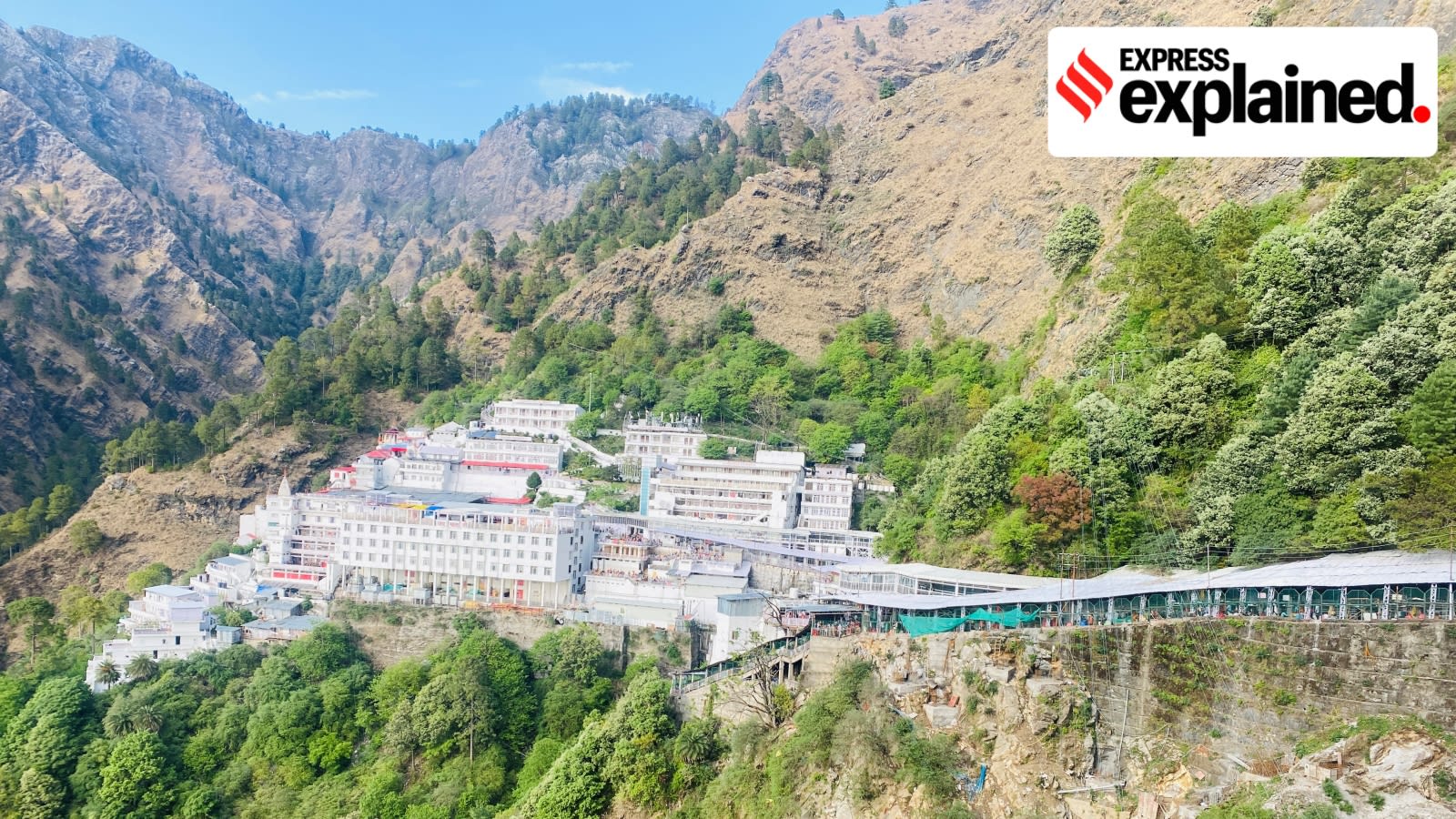
A court in Jammu is currently hearing a plea alleging the misappropriation and adulteration of silver donations worth approximately Rs 550 crore at the Shri Mata Vaishno Devi Shrine, raising questions about the shrine's storage and guarding protocols.
The Vaishno Devi Silver Controversy: Faith, Finance, and Forensic Scrutiny
The Shri Mata Vaishno Devi Shrine, one of the most revered pilgrimage sites in India, has found itself at the center of a significant legal battle. A plea filed in a Jammu court alleges a massive scale of adulteration and misappropriation of silver donations, estimated to be worth approximately Rs 550 crore. This controversy strikes at the heart of the relationship between devotees and the administrative bodies managing religious endowments, where the sanctity of the offering is as important as its material value.
The Core of the Allegations
The crux of the legal challenge lies in the claim that silver donated by millions of pilgrims over time has been compromised. The term 'adulteration' in this context suggests that pure silver offerings may have been replaced with lower-quality alloys or that a portion of the precious metal has been misappropriated. Given the staggering valuation of Rs 550 crore, the case is not merely a matter of accounting errors but points toward a systemic failure in the chain of custody—from the moment a devotee drops a silver coin or ornament into the donation box to its eventual storage in the shrine's vaults.
Administrative Oversight and the Shrine Board
Traditionally, the management of such shrines falls under the purview of a dedicated board, in this case, the Shri Mata Vaishno Devi Shrine Board (SMVDSB). The controversy brings into sharp focus the internal protocols used for counting, weighing, and guarding these assets. For a shrine of this magnitude, the logistics of handling bulk silver are immense. The legal plea forces a public examination of whether the current auditing processes are transparent enough to prevent internal leakage or whether the lack of independent, third-party forensic audits has created a loophole for misappropriation.
The Psychology of Devotion and Trust
Beyond the financial figures, this row has deep psychological implications for the devotees. In Hindu tradition, offerings made to a deity are considered 'Prasad' or sacred trusts. The allegation that these offerings were treated as mere commodities to be adulterated is likely to cause significant distress among the faithful. This case highlights a growing tension in modern India: the intersection of ancient faith-based traditions and the modern demand for corporate-style transparency and accountability in the management of religious trusts.
Legal Precedents and Judicial Intervention
The intervention of the Jammu court is a critical step in resolving the dispute. If the court mandates a full forensic audit of the silver reserves, it could set a precedent for how other major temple trusts across India manage their treasuries. The judicial process will likely focus on 'reconciliation'—comparing the recorded weights of donations against the actual physical stock present in the vaults. Any discrepancy found during this process would provide the empirical evidence needed to substantiate the claims of misappropriation.
Future Implications for Religious Governance
Looking forward, this event is likely to trigger a move toward the digitalization and stricter regulation of donation management. We may see the introduction of blockchain-based tracking or more rigorous, frequent external audits for high-value donations at major shrines. To restore public confidence, the shrine administration will need to move beyond mere denials and implement a 'gold standard' (or in this case, silver standard) of transparency that allows the public to trust that their offerings are being guarded with the utmost integrity.
Conclusion
The 'fake silver' row at the Vaishno Devi shrine is a complex intersection of law, religion, and finance. While the allegations are grave, the resolution of this case through the Jammu court will be essential to maintaining the spiritual and administrative credibility of the shrine. The outcome will either vindicate the management or lead to a necessary overhaul of how India's most precious religious assets are stored and guarded.