Amid opposition walkout, Rajya Sabha gives approval to Vande Mataram bill
Source Entity
TNN
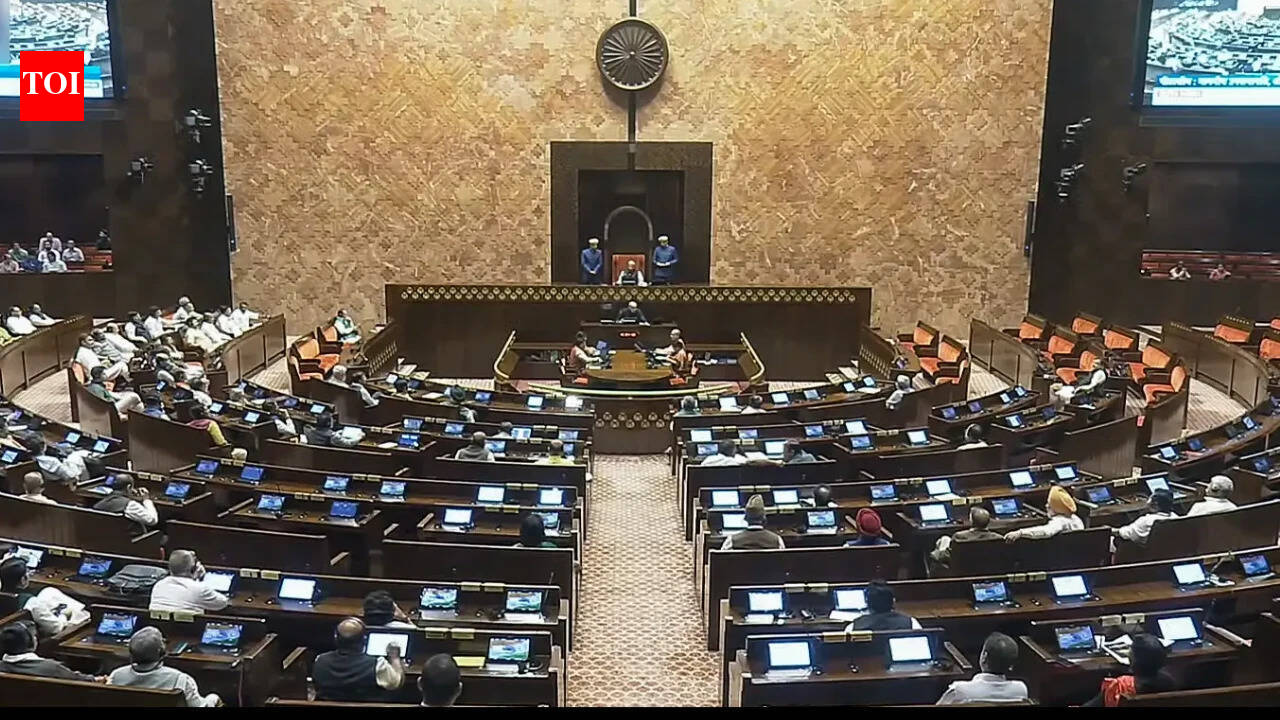
The Rajya Sabha has passed the Prevention of Insults to National Honour (Amendment) Bill, 2026, criminalizing the intentional disruption of the national song, Vande Mataram. The bill passed via voice vote amidst an opposition walkout and heated parliamentary debate regarding its implementation.
Legislative Overhaul: The Vande Mataram Bill 2026
The Rajya Sabha has officially passed the Prevention of Insults to National Honour (Amendment) Bill, 2026, a significant legislative move that seeks to provide legal protection to the national song, Vande Mataram. By amending the existing 1971 Act, which traditionally covered the national anthem, the national flag, and the Constitution, the government is effectively elevating the status of Vande Mataram to hold legal sanctity equivalent to the national anthem, Jana Gana Mana.
The Scope of the New Legislation
This amendment introduces specific punitive measures for individuals who intentionally disrupt, prevent, or insult the singing of the national song. While the 1971 Act focused on preventing the desecration of national symbols, this 2026 expansion addresses concerns regarding public conduct during patriotic ceremonies. The core objective is to ensure that the national song is treated with the same level of reverence and legal protection as other national symbols under the established framework of the Prevention of Insults to National Honour Act.
Parliamentary Discord and Opposition Walkout
The passage of the bill was marked by intense political friction. During the proceedings, opposition members staged a walkout, protesting against the government’s refusal to address concerns regarding police action against demonstrators. The debate was further polarized when Junior Home Minister Nityanand Rai piloted the bill, using the floor to critique the Congress party’s historical stance on the song. This suggests that the legislation is not merely a legal update but a focal point for broader ideological conflicts within the Indian political landscape.
Ideological Clashes and Historical Context
During the session, the discourse moved beyond the legal text, touching upon historical grievances. Rajya Sabha MP Sanjay Singh raised questions regarding the historical position of the RSS concerning the tricolour, while AIADMK representatives highlighted the cultural nuances of playing state anthems alongside the national song. These interventions underscore the complex intersection of national identity, regional sentiment, and the long-standing debate over how national symbols are integrated into public life.
Implications for Future Trends
Looking ahead, the criminalization of disrupting the national song sets a new precedent for public assembly and dissent in India. As the bill moves toward full implementation, it will likely serve as a litmus test for the balance between freedom of expression and the state’s mandate to protect national symbols. The government’s determination to push this through via voice vote, despite the absence of opposition, indicates a shift toward prioritizing legislative speed in matters related to nationalistic discourse, a trend that will likely continue to define the current parliamentary session.
Multiple Citing Sources