Vande Mataram Bill 2026 explained: What changes and what punishment it proposes
Source Entity
PRIYANKA JAISWAL
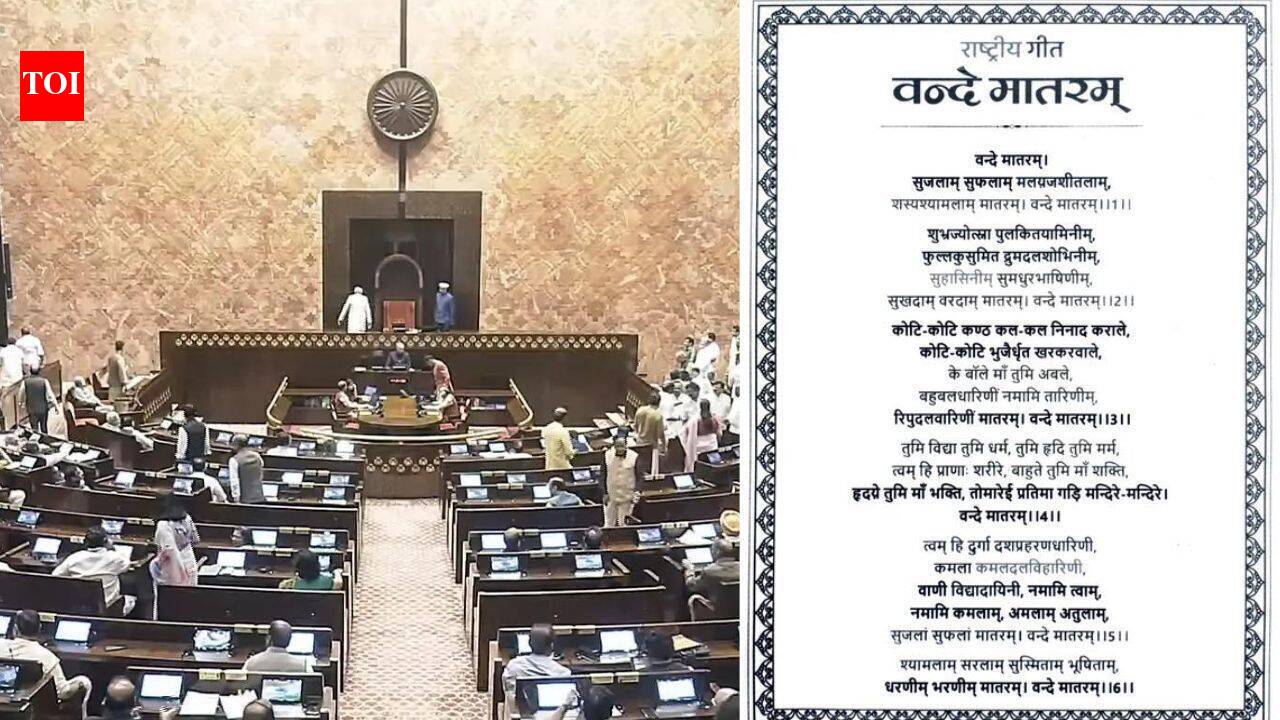
The Rajya Sabha has passed the Prevention of Insults to National Honour (Amendment) Bill, 2026, which criminalizes the intentional disruption of the national song, Vande Mataram. The bill passed via voice vote amidst an opposition walkout, elevating the song's legal status to match that of the national anthem.
Legislative Milestone: The Vande Mataram Bill 2026
The Rajya Sabha has officially passed the Prevention of Insults to National Honour (Amendment) Bill, 2026, a significant legislative development that seeks to codify the sanctity of the national song, Vande Mataram. By amending the existing 1971 Act, which previously protected only the national anthem, the national flag, and the Constitution, the government has moved to place Vande Mataram on equal legal footing with these national symbols. This move marks a pivotal shift in India's legal framework regarding nationalistic expressions.
Parliamentary Dynamics and Opposition Walkout
The passage of the bill was marked by intense political friction. As Junior Home Minister Nityanand Rai piloted the legislation, he took the opportunity to criticize the Congress party’s historical stance on the song. In response, the opposition staged a walkout, citing grievances over unrelated issues, specifically demanding a statement from the Home Minister regarding police actions against protesters. The resulting voice vote reflected a divided house, highlighting the deep ideological chasm regarding the role of national symbols in contemporary Indian politics.
Legal Implications and Historical Context
The core of this amendment lies in the criminalization of the "intentional disruption or prevention" of the singing of Vande Mataram. While the 1971 Act already provided stringent penalties for disrespecting the tricolour or the national anthem, the inclusion of Vande Mataram expands the state's regulatory oversight over public conduct during the performance of the song. Critics and legal observers are now tasked with analyzing how the judiciary will define "intentional disruption" to ensure that the law does not infringe upon legitimate forms of dissent or expression.
Debates on National Identity
The floor of the Rajya Sabha witnessed a clash of historical narratives. MP Sanjay Singh raised questions regarding the historical position of the RSS toward the national flag, signaling that the debate over this bill is as much about historical memory as it is about current legislation. Concurrently, AIADMK MPs brought practical concerns to the table, noting the common practice of playing state anthems alongside national ones, suggesting that the integration of this law into daily administrative and social life may require further regulatory clarity.
Future Trends and Societal Impact
Moving forward, the implementation of this bill will likely set a precedent for how national symbols are protected in public spaces. By elevating Vande Mataram to a status comparable to the national anthem, the government is signaling a shift toward a more formalized approach to patriotic conduct. Whether this will lead to increased litigation or serve as a deterrent against public disturbances during formal ceremonies remains a point of speculation for constitutional experts.
Conclusion
The passage of the 2026 Amendment reflects the current administration's commitment to reinforcing national symbols as a cornerstone of civic duty. As the bill moves toward becoming law, its impact on the political landscape will likely continue to be a subject of intense scrutiny, balancing the state’s desire for national reverence with the democratic necessity of political debate and dissent.
Multiple Citing Sources