6.9-Magnitude Earthquake In Vanuatu Triggers Brief Tsunami Warning
Source Entity
NDTV News Search Records Found 1000
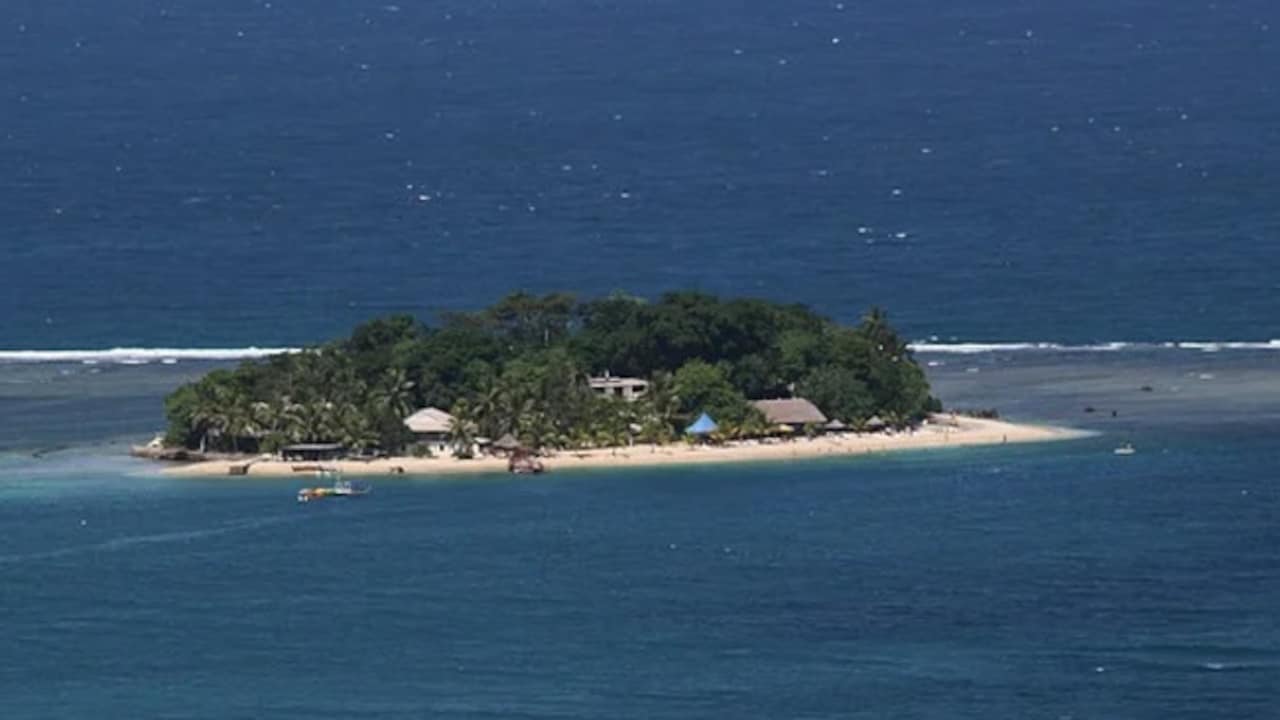
A 7.2 magnitude earthquake struck near Vanuatu on October 24, briefly triggering tsunami warnings for surrounding coastal areas. Authorities have since canceled the warnings, with no reports of casualties or significant damage.
Seismic Activity in the Pacific: The Vanuatu Earthquake Event
On October 24, a significant seismic event occurred in the Pacific Ocean, as a 7.2 magnitude earthquake struck near the archipelago nation of Vanuatu. The tremor, which originated at a depth of approximately 10 kilometers below the sea surface and about 200 kilometers west of the town of Sola, prompted immediate action from international monitoring bodies. The Pacific Tsunami Warning Centre in Hawaii acted swiftly, issuing a warning for potentially dangerous tsunami waves that could impact coastal regions within a 300-kilometer radius of the epicenter.
Geological Context: The Ring of Fire
Vanuatu is located in a region famously known as the 'Ring of Fire,' an area characterized by intense tectonic activity due to the movement of various oceanic and continental plates. The archipelago is situated on a complex boundary where the Australian Plate subducts beneath the Pacific Plate. This geological positioning makes the nation highly susceptible to frequent earthquakes and volcanic activity. The shallow nature of this specific 7.2 magnitude quake—occurring only 10 kilometers beneath the seabed—is a primary reason why tsunami warnings are standard protocol, as shallow tremors have a higher potential to displace large volumes of water.
Emergency Response and Tsunami Protocols
Following the detection of the quake at 2:31 am UTC, the Pacific Tsunami Warning Centre projected that the first waves could reach Espiritu Santo by 3:01 am UTC. While the center cautioned that the first wave is not always the largest, the rapid dissemination of this information is critical for public safety. In this instance, the coordinated response between local authorities in Vanuatu and the Hawaii-based monitoring center ensured that the populace remained informed as the situation evolved.
The Cancellation of Warnings
Fortunately, the initial concerns regarding a destructive tsunami did not materialize into a catastrophic event. Vanuatu authorities officially canceled the tsunami warning shortly after the assessment of initial data. The National Weather Service's tsunami warning system further confirmed that there was no threat posed to the coastlines of the United States or Canada. The absence of reported deaths or significant infrastructure damage serves as a testament to the effectiveness of the regional early warning systems and the preparedness of the local population.
Future Trends and Resilience
As Vanuatu continues to sit atop one of the world's most active seismic zones, the resilience of its infrastructure and the efficacy of its emergency communication channels remain paramount. While this event concluded without loss of life, it highlights the ongoing necessity for continuous seismic monitoring. Future trends in the region will likely focus on enhancing real-time data collection and improving the speed of evacuation protocols to mitigate the inherent risks posed by the volatile tectonic environment of the South Pacific.
Verification Required?