"Bias": Venezuela Says It Will Withdraw From International Criminal Court
Source Entity
NDTV News Search Records Found 1000
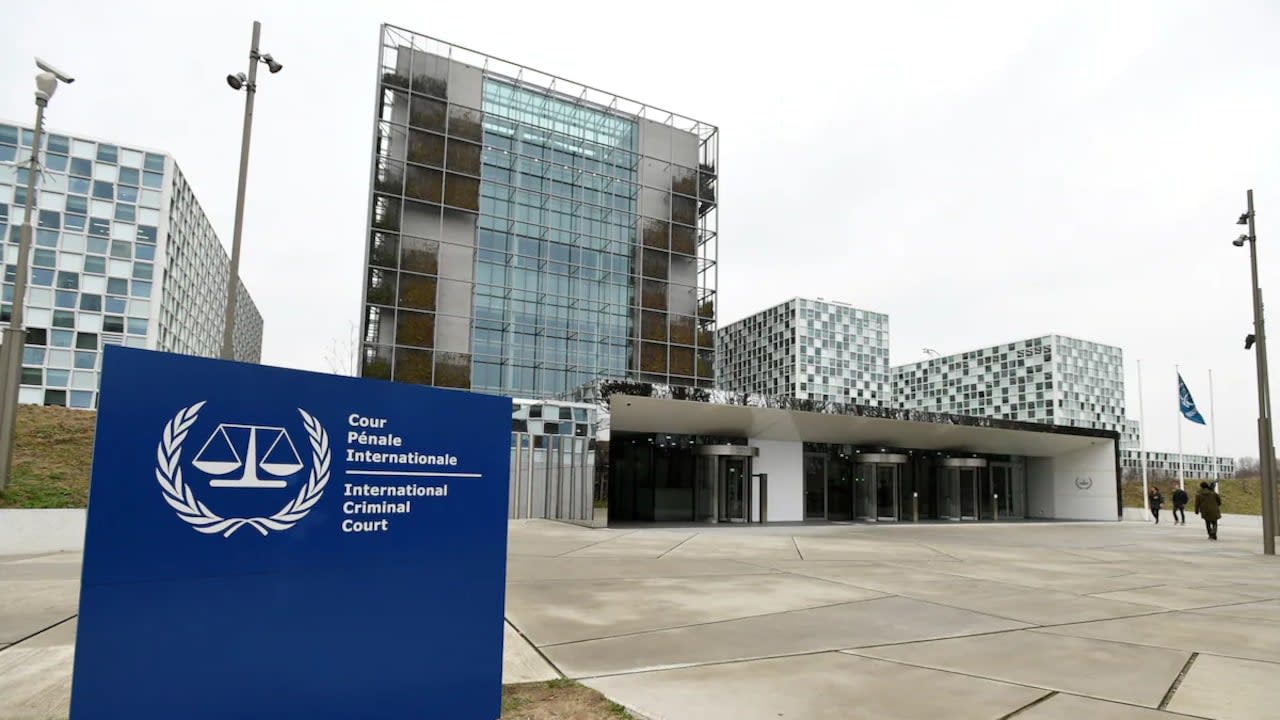
Venezuela has announced its intention to withdraw from the International Criminal Court, citing alleged bias within the tribunal. This move marks a significant escalation in the ongoing friction between the Venezuelan government and international legal oversight bodies.
Venezuela Challenges International Legal Oversight
The government of Venezuela has officially declared its intent to withdraw from the International Criminal Court (ICC), citing a deep-seated perception of bias within the tribunal. This decision represents a pivotal moment in the nation's foreign policy, signaling a formal rejection of the court's jurisdiction over domestic affairs and its ongoing investigations into the country's internal political situation.
Origins of the Diplomatic Rift
The tension between Caracas and the Hague-based ICC has been mounting for years, primarily centered on investigations into alleged crimes against humanity committed during state crackdowns on civil unrest. By characterizing the court's actions as biased, the Venezuelan administration is attempting to delegitimize the legal framework that has sought to hold state actors accountable for human rights violations. This narrative of 'judicial imperialism' is a common strategy used by states seeking to insulate themselves from international scrutiny.
Broader Implications for Global Justice
Venezuela's withdrawal poses a significant challenge to the efficacy of the Rome Statute, the treaty that established the ICC. When sovereign states exit the court, it limits the tribunal's ability to investigate and prosecute atrocities, potentially creating 'impunity zones' where international law struggles to reach. This move may encourage other nations currently under ICC scrutiny to reconsider their own commitments to the court, threatening the universality of the international criminal justice system.
Historical Context of ICC Withdrawals
Historically, withdrawals from the ICC are rare but highly consequential. They often occur when a government feels that its domestic sovereignty is being undermined by international mandates. Venezuela's decision echoes previous instances where nations have viewed the court as an instrument of Western political influence rather than a neutral arbiter of justice. Such actions force the international community to grapple with the inherent tension between state sovereignty and the global responsibility to protect human rights.
Future Trends and Diplomatic Fallout
Moving forward, the international community will likely respond with increased diplomatic pressure or sanctions, as the withdrawal does not necessarily absolve the state of obligations incurred while it was a party to the Rome Statute. The move signals a period of increasing isolation for Venezuela, as it distances itself from multilateral institutions that uphold international standards. The long-term impact on the ICC's credibility and its ability to conduct investigations in non-compliant regions remains a critical area for observers to monitor.
Verification Required?