Baffling Tata Play Smart, Vi prepaid family & gauging Mijia Smart Air Purifier 6
Source Entity
Latest News: Todays Latest News Headlines from India & World | Hindustan Times | Hindustan Times
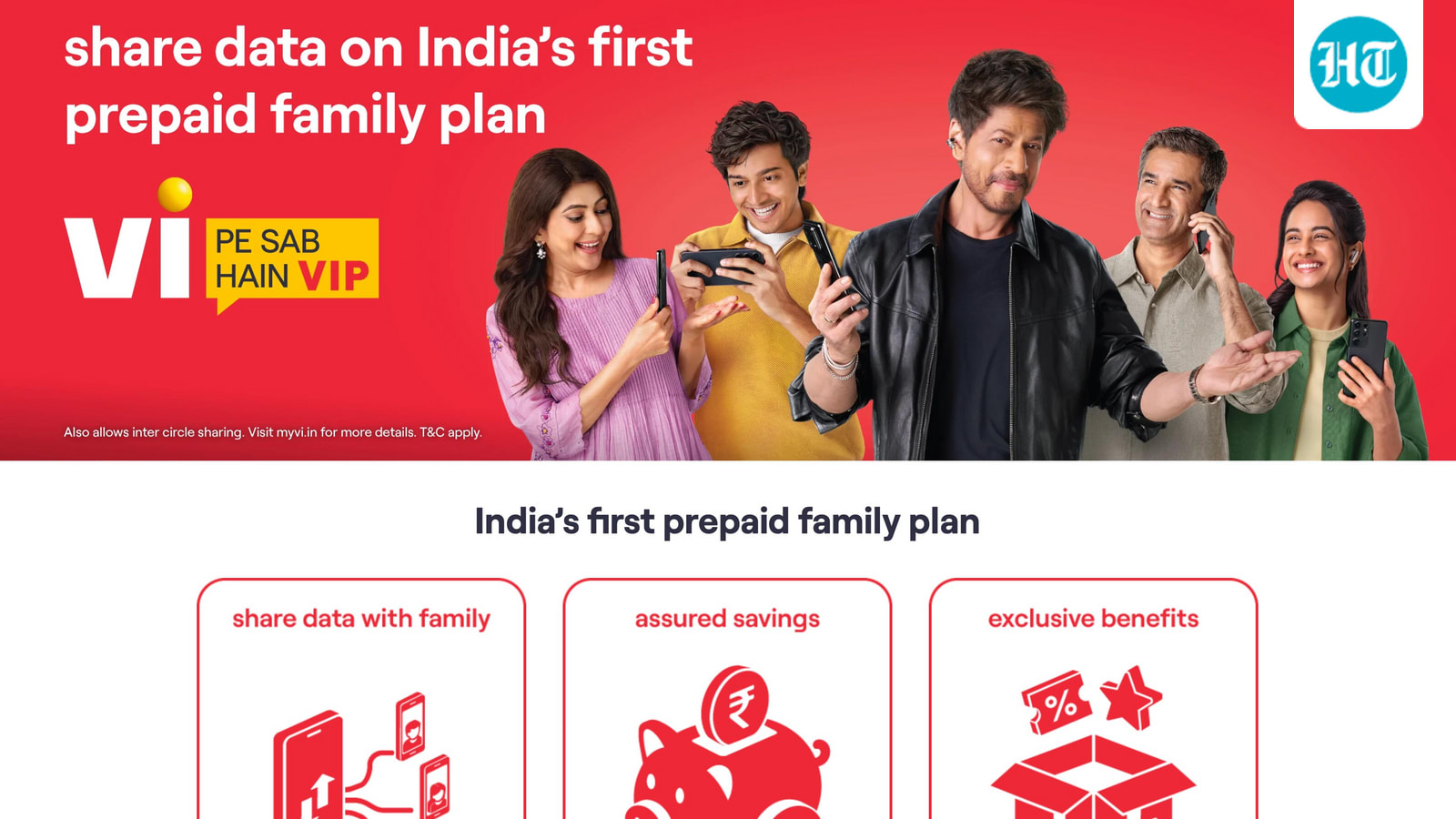
Vi has introduced India's first prepaid family plan, allowing up to four members to share data. This initiative aims to increase subscriber loyalty and stickiness within the competitive Indian telecom market.
The Shift Toward Shared Connectivity in India
The introduction of a prepaid family plan by Vi marks a significant evolution in India’s hyper-competitive telecommunications landscape. Historically, family plans were the exclusive domain of postpaid subscribers, serving as a tool for operators to consolidate household billing and reduce churn among high-value customers. By extending this model to the prepaid segment, which constitutes the vast majority of the Indian mobile user base, Vi is attempting to bridge the gap between flexible, pay-as-you-go convenience and the cost-efficiency typically reserved for contract-based billing.
Analyzing the Strategic Intent
At its core, this move is a calculated effort to enhance 'stickiness'—a industry term for increasing customer loyalty and reducing the likelihood of users porting their numbers to competitors like Jio or Airtel. By allowing up to four members to exist under a single umbrella, Vi is effectively creating a micro-ecosystem of users who are now tethered to the same operator. This social locking mechanism is designed to ensure that the primary account holder maintains the group's connection to the network to preserve the utility of the shared plan.
The Mechanics of Data Sharing
One of the most notable features of this new offering is the ability for members to share data within the group. This feature addresses the common pain point of data wastage, where individual users might not exhaust their daily or monthly limits, while others may face sudden shortages. By democratizing data consumption within a family unit, Vi provides a tangible value proposition that differentiates its prepaid service from standard individual recharges.
Market Implications and Challenges
However, the reception of such plans remains a subject of debate. While the promise of cost-saving is appealing, the complexity of managing a group in a prepaid environment may pose hurdles for the average user. Unlike postpaid plans where billing is centralized and automated, prepaid groups require active management. The success of this initiative will depend on whether users find the administrative burden of coordinating multiple prepaid connections worth the marginal savings compared to individual, streamlined recharges.
Future Trends in Telecom
Looking ahead, this development suggests that Indian telecom providers are moving toward more personalized, bundle-heavy offerings. As the market reaches saturation, operators can no longer rely solely on user acquisition; they must focus on revenue per user (ARPU) growth through retention strategies. If Vi’s prepaid family model gains traction, we can expect competitors to follow suit, potentially leading to a market-wide shift where 'family' is no longer a status symbol of postpaid plans, but a standard feature for all mobile subscribers in India.
Verification Required?