After automation: Solo founding will be the default
Source Entity
Hacker News
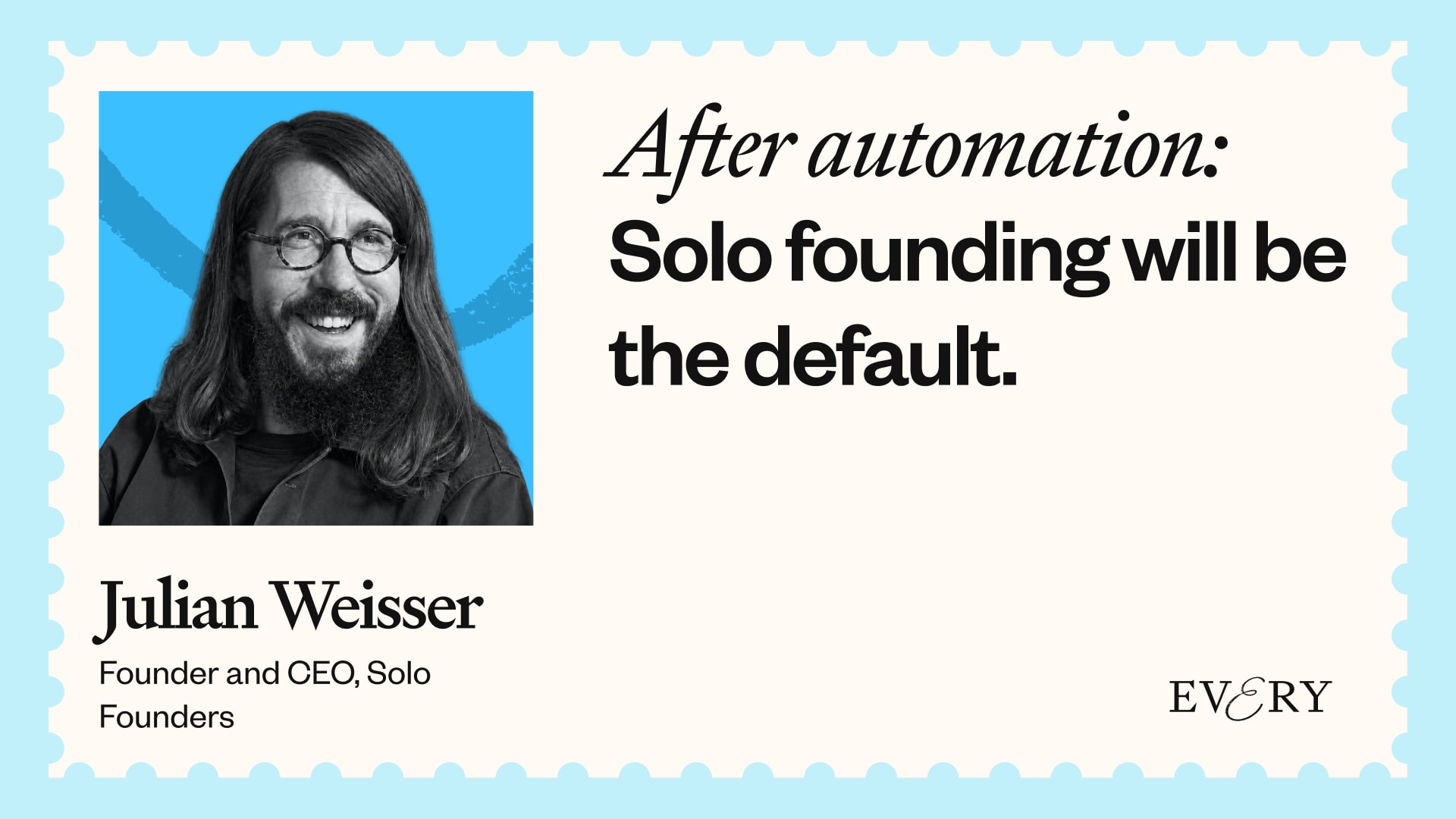
The traditional necessity for startup cofounders is rapidly diminishing due to advancements in AI automation. Solo founders are becoming the new default as AI reduces the time and capital required to build and scale products.
The Shift Toward Solo Entrepreneurship
For decades, the Silicon Valley ethos has been defined by the 'cofounder mandate.' The narrative of two or more individuals huddled in a garage, splitting the responsibilities of building and selling, has been the gold standard for venture capital investment and startup success. Figures like Facebook and Airbnb are frequently cited as the archetypes of this model, reinforcing the belief that the sheer volume of work required to launch a product necessitated a team from day one.
The Collapse of Human Capital Requirements
The traditional argument for multiple cofounders rested on the premise that building software and managing market acquisition were two distinct, full-time, and labor-intensive processes. However, the rapid integration of artificial intelligence into the development lifecycle has fundamentally altered this equation. The amount of human hours required to move an idea from conception to a customer-facing product has collapsed, effectively lowering the barriers to entry that once forced founders to dilute their equity to secure partners.
AI as the Force Multiplier
AI now acts as a force multiplier, allowing a single founder to perform tasks that previously required a small engineering team or a dedicated sales force. By automating code generation, content creation, and even rudimentary market analysis, the 'solo founder' is no longer hampered by the lack of human resources. This technological leverage means that a single individual can now iterate on a product at a velocity that was previously unimaginable for a lean startup.
Challenging Silicon Valley Romanticism
The romanticized image of the dual-cofounder team is being replaced by a new reality: the agile solo operator. While the partnership model was once a hedge against failure, the current tools allow for such drastic reductions in time and capital expenditure that the risk profile for solo ventures has shifted. Founders are finding that they can maintain total control and equity for longer periods, as the need for an external 'builder' or 'seller' partner is mitigated by software-driven solutions.
Future Trends and Implications
Looking ahead, we can expect a surge in micro-enterprises and solo-led ventures that prioritize speed over scale. As AI tools continue to mature, the definition of a 'startup' will likely evolve from a labor-heavy organization to a highly automated operation managed by an individual. This shift will likely disrupt traditional venture capital models, which have historically been optimized for teams, forcing investors to re-evaluate how they assess risk and potential in an era where one person can do the work of ten.