SpaceX’s massive AI targets will test the limits of reality
Source Entity
William Gavin
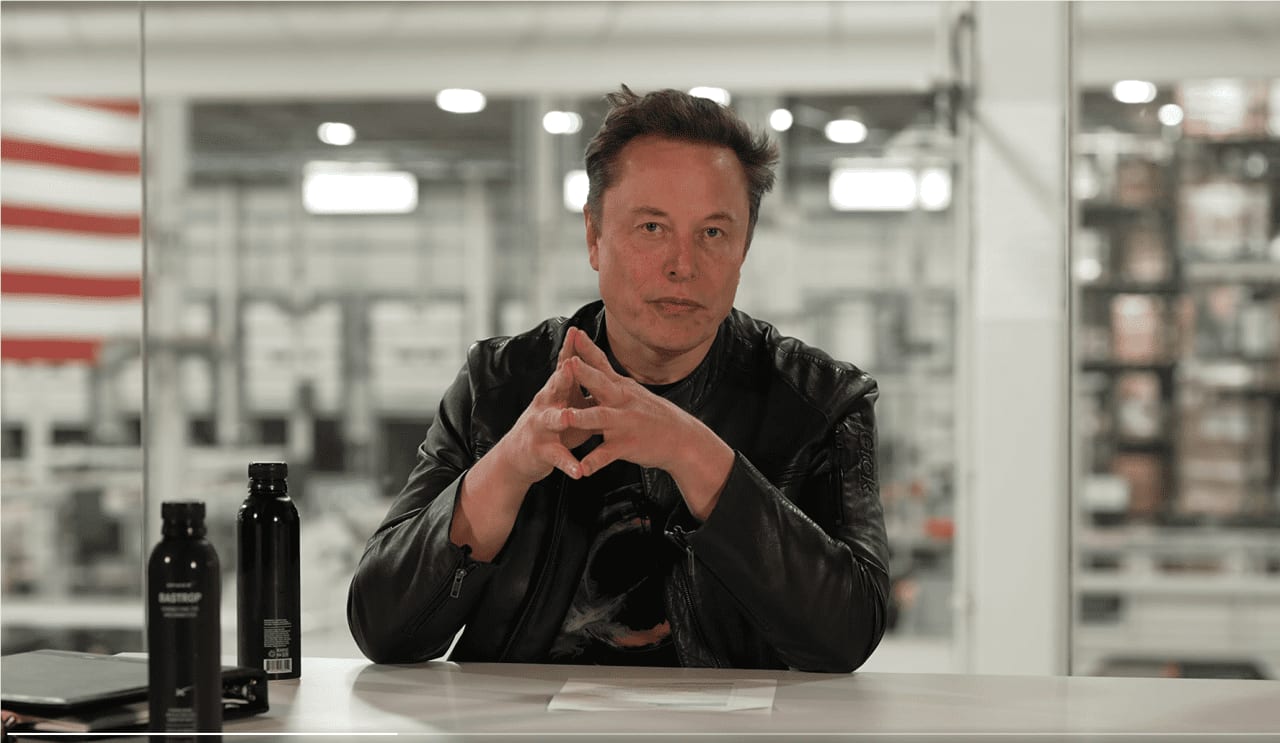
SpaceX is planning an exponential increase in its computing capacity to support advanced AI initiatives. This ambition faces significant hurdles regarding chip procurement, energy infrastructure, and financial sustainability.
The Next Frontier: SpaceX and the AI Arms Race
SpaceX, traditionally known for revolutionizing aerospace through reusable rocketry and global satellite constellations, is pivoting toward a new, compute-heavy paradigm. By aiming to scale its computing capacity exponentially, the company is positioning itself at the intersection of orbital mechanics and artificial intelligence. This shift is not merely an operational upgrade; it represents a fundamental transition into a data-driven entity that requires immense processing power to manage complex autonomous systems and real-time satellite telemetry.
The Hardware Hurdle: The Global Chip Shortage
The most immediate bottleneck for SpaceX’s expansion is the global supply chain for high-performance semiconductors. As AI development relies heavily on advanced GPUs and specialized processing units, SpaceX must compete with global tech giants for a limited inventory. Securing sufficient chips in an environment where demand consistently outstrips production capacity poses a significant strategic risk to Elon Musk’s aggressive timelines, potentially forcing the company to rethink its supply chain dependency.
Power and Infrastructure Constraints
Scaling computing capacity to the levels Musk envisions requires more than just hardware; it demands a massive, reliable energy infrastructure. High-performance computing clusters are notoriously power-hungry, and the integration of such systems into existing SpaceX facilities could stress local power grids. The challenge lies in creating an energy-efficient ecosystem that can sustain, or even scale, these AI ambitions without compromising the company’s primary aerospace operations or its sustainability goals.
Financial Implications and Scaling Risks
The financial burden of such an exponential expansion cannot be overstated. Developing and maintaining cutting-edge AI infrastructure requires sustained capital expenditure. While SpaceX has successfully disrupted the space industry, funding a massive AI arm alongside its Starship development and Starlink maintenance requires a delicate balancing act. Investors and stakeholders will be watching closely to see how the company allocates resources between its core rocket manufacturing and its burgeoning digital intelligence capabilities.
Future Trends and Strategic Outlook
Looking ahead, SpaceX’s success in this endeavor could redefine what it means to be a space company. If Musk manages to overcome the barriers of power, chip procurement, and funding, the resulting infrastructure could provide the company with an unparalleled advantage in autonomous space exploration. However, the path forward is fraught with systemic risks. The ability to integrate massive AI targets into their workflow will likely dictate the next decade of SpaceX’s growth, turning the company into a formidable player in the global AI landscape.
Verification Required?