'Banned over a pair of £2 sandals': Why some sellers are complaining about Vinted
Source Entity
BBC News
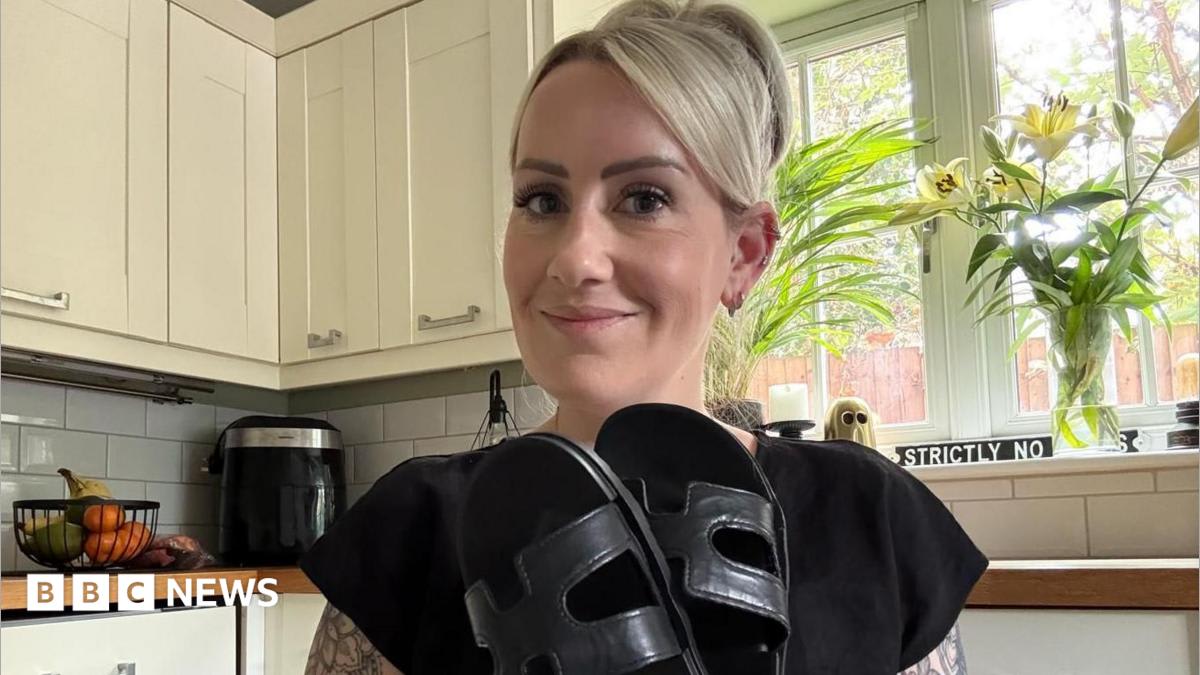
Thousands of Vinted users report being permanently banned for minor activities, such as relisting low-cost items. The platform's reliance on automated moderation systems is under scrutiny as users struggle to appeal these decisions.
The Vinted Moderation Crisis: Automation vs. Human Oversight
The rapid ascent of Vinted as a dominant force in the preloved fashion market has been met with significant friction, as thousands of users report being abruptly banned for seemingly innocuous activities. At the heart of the controversy is the case of Emma Neil, a frequent user who faced a permanent ban after relisting a pair of £2 sandals. This incident highlights a growing tension between the platform’s need for efficient, large-scale moderation and the rights of its 17 million UK users.
The Algorithmic Trap
For many users like Neil, the experience of being banned is compounded by the feeling of being trapped in a loop of automated communication. Vinted’s reliance on AI-generated responses to handle suspensions has left many in the dark regarding the specific nature of their alleged transgressions. When a user is accused of 'fraudulent activity' or selling counterfeit items for transactions as minor as a pair of budget sandals, the lack of human nuance in the enforcement process becomes a significant point of contention.
Scaling Challenges in the Resale Market
As Vinted’s user base continues to grow, the challenge of maintaining platform integrity against genuine fraud—such as the sale of high-end counterfeit goods—has necessitated stricter automated controls. However, the current implementation appears to be over-correcting, casting a wide net that captures legitimate sellers. This creates a paradox where the tools designed to protect the marketplace’s reputation are instead fostering a sense of alienation among its most loyal participants.
Accountability and the 'sadvint' Movement
With over 4,000 users documenting their grievances on platforms like 'sadvint,' it is clear that the frustration is systemic rather than anecdotal. This organized response suggests that users feel their concerns are not being addressed through standard support channels. The movement highlights a critical need for Vinted to introduce more transparent appeal processes and human-led reviews for account suspensions to avoid a long-term erosion of trust.
Broader Implications for the Circular Economy
The rise of the circular economy is built on the foundation of community trust and accessibility. When users fear that a simple mistake or a misunderstood algorithm could result in a permanent loss of account access, they are less likely to engage with the platform. If Vinted does not refine its moderation protocols, it risks damaging the very community-driven ethos that facilitated its meteoric rise in the UK market.
Future Outlook
Moving forward, Vinted will likely face increased pressure to balance its security requirements with customer advocacy. The company maintains that the 'overwhelming majority' of users have a positive experience, yet the scale of these complaints cannot be ignored. The future of the platform depends on whether it can move toward a hybrid model of moderation, where AI assists in identifying potential threats, but human oversight ensures that legitimate, low-stakes transactions are not unfairly penalized.