30 Paramilitary Companies Deployed In Arunachal's Siang Valley After Anti-Dam Protests
Source Entity
NDTV News Search Records Found 1000
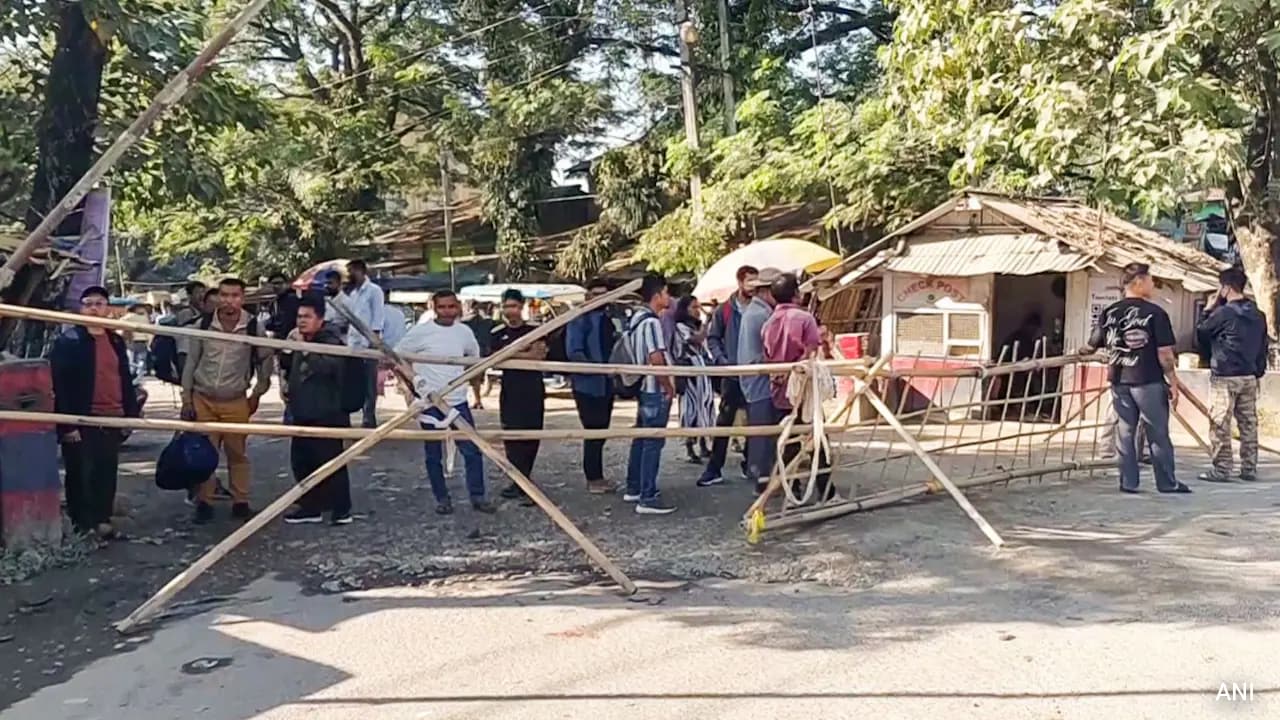
Violent protests in Arunachal Pradesh's Upper Subansiri district have halted a public hearing for the 1,605-MW Subansiri Upper Hydroelectric Project. The unrest, fueled by community opposition and tensions over police detentions, reflects broader regional resistance to large-scale dam projects.
Escalating Tensions in Arunachal Pradesh
The recent eruption of violence in Arunachal Pradesh’s Upper Subansiri district marks a significant escalation in the ongoing conflict between local communities and the state’s ambitious hydropower development agenda. On October 26, 2026, a 12-hour shutdown—spearheaded by the All Tagin Students’ Union (ATSU)—effectively paralyzed the region, resulting in the cancellation of a crucial public hearing for the 1,605-megawatt Subansiri Upper Hydroelectric Project, also known as the Menga Dam. This incident underscores a deepening crisis of trust between local stakeholders and the authorities.
The Catalyst for Unrest
While the primary objective of the protest was to oppose the hydroelectric project, the situation intensified following the alleged attempted detention of ATSU president Tadak Pakba. This perceived heavy-handedness by local law enforcement acted as a flashpoint, transforming organized resistance into widespread civil disobedience. The protest, characterized by arson, vandalism, and direct clashes with police, reflects a deep-seated apprehension among the Tagin community regarding the environmental and social impacts of massive infrastructure projects in their ancestral lands.
A Broader Pattern of Resistance
This unrest is not an isolated event but rather a continuation of the widespread agitation that has previously plagued the Siang Upper Multipurpose Project, an 11,200-MW endeavor. The movement has effectively crossed geographical boundaries, spreading from the Siang basin into the Subansiri valley. The destruction of NHPC equipment and the targeting of police stations indicate that local protesters view these state-backed corporations as threats to their traditional way of life and territorial sovereignty.
The Security Response and Human Cost
In response to the deteriorating law and order situation, the state government has found it necessary to airlift riot-control forces into the region. The registration of multiple police cases against protesters signals a hardening stance from the administration, which has conditioned the removal of central security forces on the restoration of peace. The wounding of two security personnel during the Daporijo clashes highlights the volatile nature of these confrontations, which have already disrupted critical regional infrastructure and public order.
Future Trends and Regional Implications
Looking ahead, the conflict in Arunachal Pradesh presents a significant challenge to the national objective of expanding hydropower capacity in the Northeast. Unless there is a transparent dialogue that addresses the legitimate concerns of the indigenous communities, the cycle of protests and state-led repression is likely to continue. The region’s history of sensitivity regarding land use and infrastructure suggests that future projects will face similar hurdles, potentially leading to further delays in energy development and continued friction between the state and the local population.
Multiple Citing Sources
Verification Required?