Violence, Tear Gas, Arrests: Europe Gripped By Growing Protests
Source Entity
NDTV News Search Records Found 1000
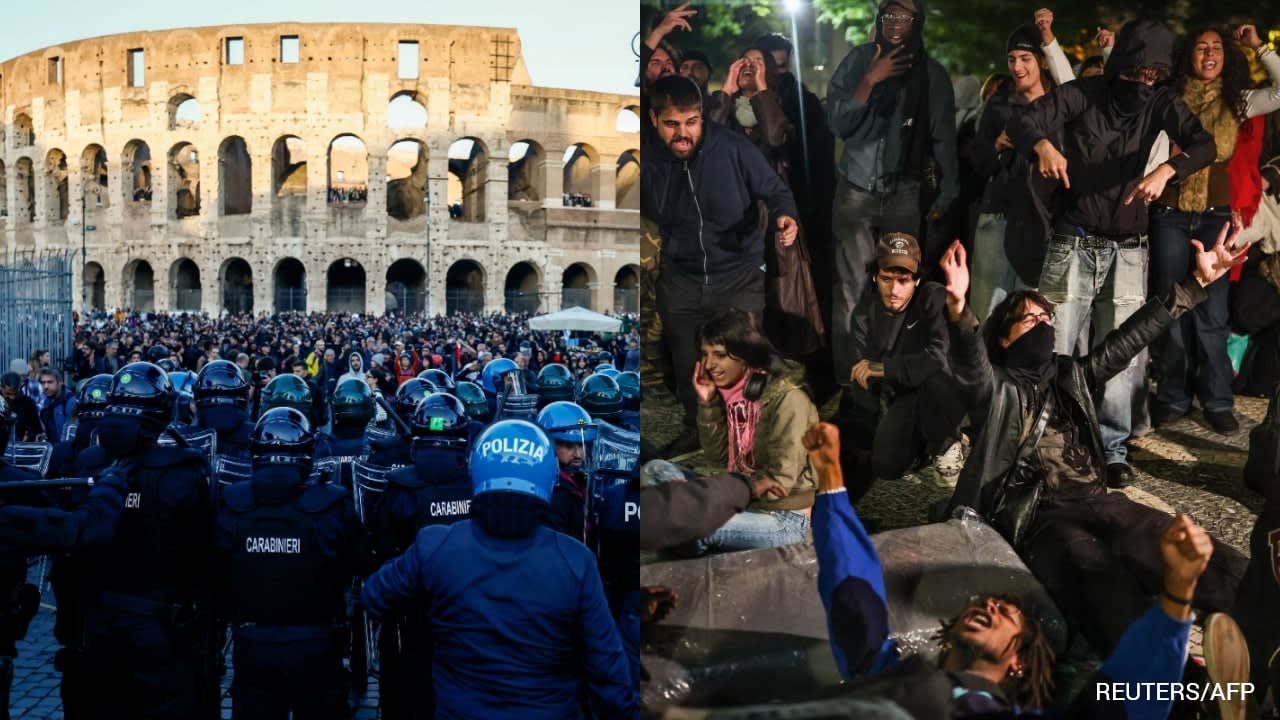
Anti-government protests in Albania and across Europe have escalated into violent clashes over rising living costs, corruption, and housing crises. Authorities responded with riot control measures, including tear gas and water cannons, as demonstrators demanded systemic reform.
The Surge of Civil Unrest in Albania and Across Europe
Recent weekends have seen a significant escalation in civil unrest across Europe, with Albania serving as a focal point for intense, localized conflict. In the capital city of Tirana, what began as a student-led anti-government rally rapidly descended into chaotic clashes between protesters and law enforcement. The imagery of fireworks being launched directly at police lines highlights the extreme nature of these confrontations, which have moved far beyond traditional forms of political expression into active, physical resistance against state apparatuses.
The Roots of Albanian Discontent
The unrest in Tirana is deeply rooted in a multifaceted critique of the current administration. Demonstrators have coalesced around specific grievances including alleged government corruption, high unemployment rates, and systemic failures within the education sector. By targeting government buildings and financial institutions, protesters are signaling a direct challenge to the political and economic status quo. The presence of student-led movements suggests a generational divide, where young citizens feel their future is being compromised by institutional stagnation.
A Broader European Crisis
The situation in Albania does not exist in a vacuum; it is part of a broader continental trend of instability. Simultaneous demonstrations in France, Italy, Spain, and Portugal underscore a shared European experience defined by the rising cost of living, housing unaffordability, and the erosion of public pensions. Whether it is the clearing of housing protest camps in Lisbon or the deployment of soldiers in Italy, governments are struggling to balance the right to dissent with the maintenance of public order.
The Escalation of Tactical Clashes
The tactics employed during these protests have become increasingly aggressive. In Tirana, the use of fireworks and petrol bombs against riot police has invited a forceful response, with authorities deploying tear gas, water cannons, and rubber bullets. This cycle of escalation—where protesters utilize pyrotechnics and police respond with crowd-control weaponry—creates a dangerous feedback loop. The transformation of city streets into battlegrounds reflects a profound breakdown in the social contract between the state and its citizens.
Future Implications and Policy Challenges
Looking ahead, these protests pose a significant challenge for European governance. The convergence of economic anxieties—specifically regarding housing and inflation—with demands for political accountability creates a volatile environment. If governments fail to address the underlying economic drivers, such as the housing affordability crisis, these demonstrations are likely to persist. The current wave of unrest serves as a stark indicator that large segments of the European population feel disconnected from the political process and are increasingly willing to engage in direct action to force institutional change.
Multiple Citing Sources
Verification Required?