Here’s Virgin Galactic’s new Apeiron spaceship
Source Entity
Stevie Bonifield
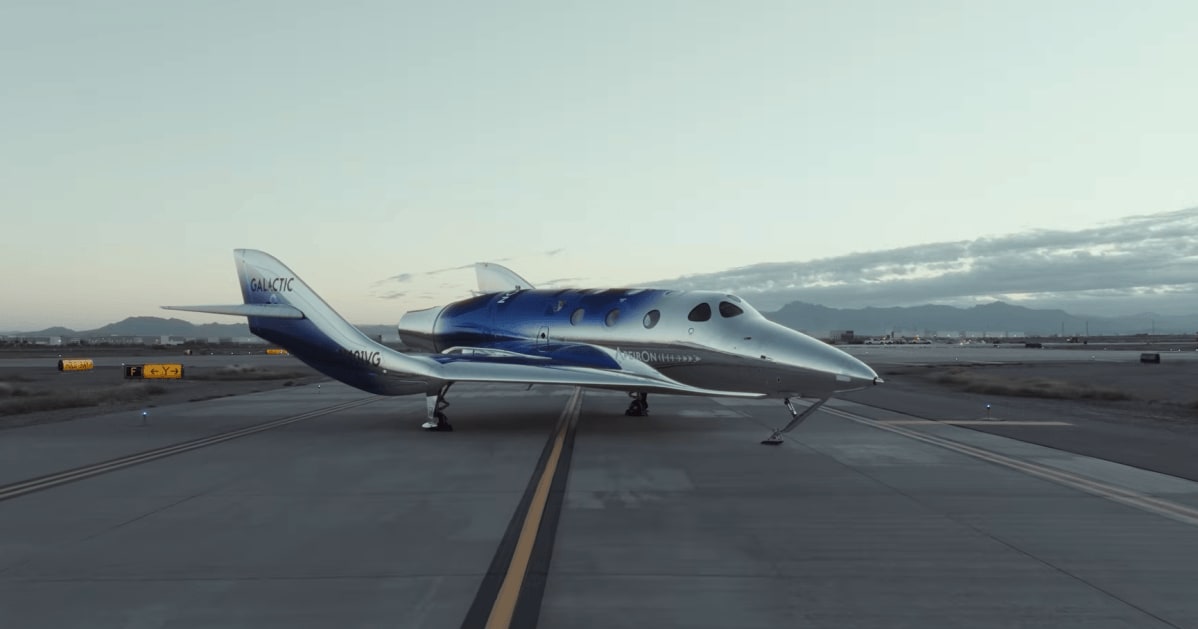
Virgin Galactic has unveiled its new Delta-class spaceship, named 'Apeiron' following a public poll. The company has delayed its commercial launch timeline to 2027 to finalize critical avionics software integration.
The Unveiling of Apeiron: A New Chapter for Virgin Galactic
Virgin Galactic has officially unveiled its latest technological advancement, a new spacecraft christened "Apeiron." The name, chosen through a public poll, marks a significant branding milestone for the company as it transitions toward its next generation of flight hardware. Apeiron represents the inaugural vessel of the Delta-class spacecraft fleet, which is intended to serve as the backbone for the company's future commercial suborbital operations.
Strategic Shifts and Timeline Adjustments
Despite the excitement surrounding the unveiling, the project faces significant scheduling headwinds. Virgin Galactic recently announced a delay in its commercial launch timeline, pushing the expectations for the lead spaceship’s first commercial flight into early Q2 2027. This adjustment is not merely a logistical delay but a reflection of the complex engineering requirements inherent in modern aerospace development, specifically regarding the integration of sophisticated avionics software.
The Delta-Class Vision
The Delta-class spacecraft is designed to improve upon the performance and reliability of the company's previous fleet. By focusing on a more robust design architecture, Virgin Galactic aims to increase the cadence of spaceflights. However, the timeline shift to 2027 for both the lead ship and the second vessel indicates a cautious, safety-first approach to the flight-readiness of these complex systems.
Technological Hurdles and Avionics
At the core of the current delay is the ongoing refinement of avionics software. In the aerospace sector, software integration is often the most critical bottleneck, as these systems must manage flight controls, telemetry, and life support with absolute precision. The company's decision to prioritize these systems over an earlier launch date underscores the high-stakes nature of commercial space travel and the necessity of rigorous testing environments.
Future Outlook and Market Implications
Looking toward 2027, the success of the Apeiron and its sister ship will be pivotal for Virgin Galactic's market position. As the commercial spaceflight industry matures, the ability to demonstrate consistent, safe, and efficient operations is essential. While the current delay may be viewed as a setback by investors and enthusiasts, it reflects the reality of building a sustainable, high-frequency space tourism business in an era of heightened regulatory and safety scrutiny.
Conclusion
In summary, while the introduction of Apeiron is a positive development for Virgin Galactic, the road to commercial operation remains long. With the first commercial flight now expected in Q2 2027, the company is signaling that it is unwilling to compromise on the integrity of its avionics systems, choosing instead to prioritize long-term reliability over immediate, potentially premature, launch milestones.