xAI is buying out homeowners who promise not to sue over data center noise
Source Entity
Emma Roth
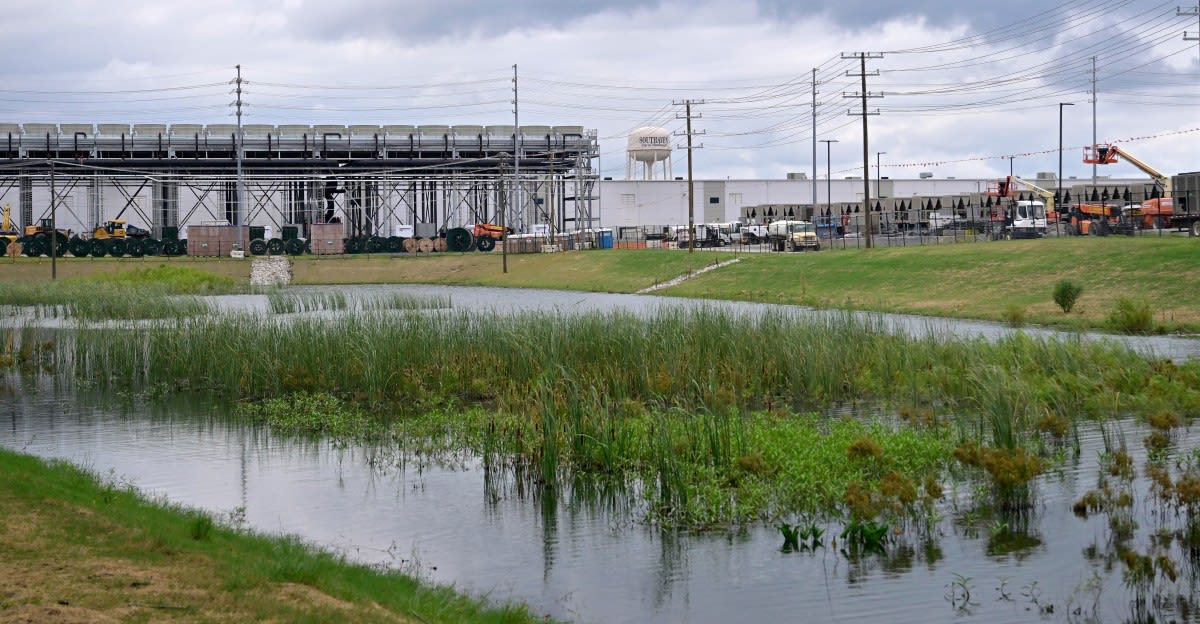
Elon Musk's xAI is reportedly buying homes in a Southaven, Mississippi neighborhood to expand its data center operations. Residents are being offered buyouts contingent on signing legal waivers that prevent them from suing over noise pollution.
The Expansion of 'Elonville': Corporate Land Acquisition in Southaven
The neighborhood of Colonial Hills in Southaven, Mississippi, has become the epicenter of a controversial expansion strategy by xAI, the artificial intelligence company founded by Elon Musk. Reports indicate that real estate agents, acting on behalf of the company, have been conducting door-to-door solicitations to purchase residential properties. This aggressive acquisition strategy appears aimed at clearing space for the massive infrastructure required to support the company’s burgeoning AI ambitions, specifically centering on a power plant and data center facility.
The 'Buyout' Contingency
At the heart of this controversy is the specific nature of the offer extended to homeowners. According to documentation and resident testimonies, the purchase agreements are not standard real estate transactions. Instead, they are contingent upon the seller signing a release agreement that explicitly bars them from participating in or initiating lawsuits against the company regarding noise pollution or other grievances related to the Southaven plant. This mechanism effectively uses real estate acquisition as a tool for preemptive legal risk mitigation.
Operational Pressures and Neighborhood Impact
For the residents of Colonial Hills, the presence of the data center has been a source of significant local tension. The facility, which provides the critical power infrastructure for xAI’s operations, has reportedly generated noise levels that have alienated the community. By targeting up to 418 homes for purchase, the company is effectively seeking to create a buffer zone or an entirely company-owned enclave—a phenomenon some locals have begun referring to as 'Elonville'—to bypass the regulatory and social friction caused by the plant’s environmental impact.
Corporate Strategy and Legal Implications
The company, through its subsidiary MZX, has defended its actions by denying the allegations of wrongdoing associated with the plant. However, the dual-track strategy of purchasing property while simultaneously securing legal releases suggests a corporate priority to clear the path for rapid AI infrastructure development. By conditioning property sales on the waiver of legal claims, the company is attempting to insulate itself from the 'Haley action' and other potential litigation stemming from the facility's operation.
Future Trends in Infrastructure Expansion
This case highlights a growing trend in the tech industry where the physical requirements of artificial intelligence—massive electricity consumption and large-scale data centers—clash with local residential interests. As companies like xAI continue to scale, the need for land and power infrastructure will likely lead to more frequent conflicts between industrial expansion and community stability. The Southaven situation serves as a bellwether for how large corporations may attempt to resolve these disputes: by absorbing the affected communities into their own operational footprint, effectively neutralizing opposition through direct financial buyout and legal settlement.