‘I am an actor, not a politician’: Vivek Oberoi reacts to Sonam Wangchuk’s hunger strike
Source Entity
The Indian Express
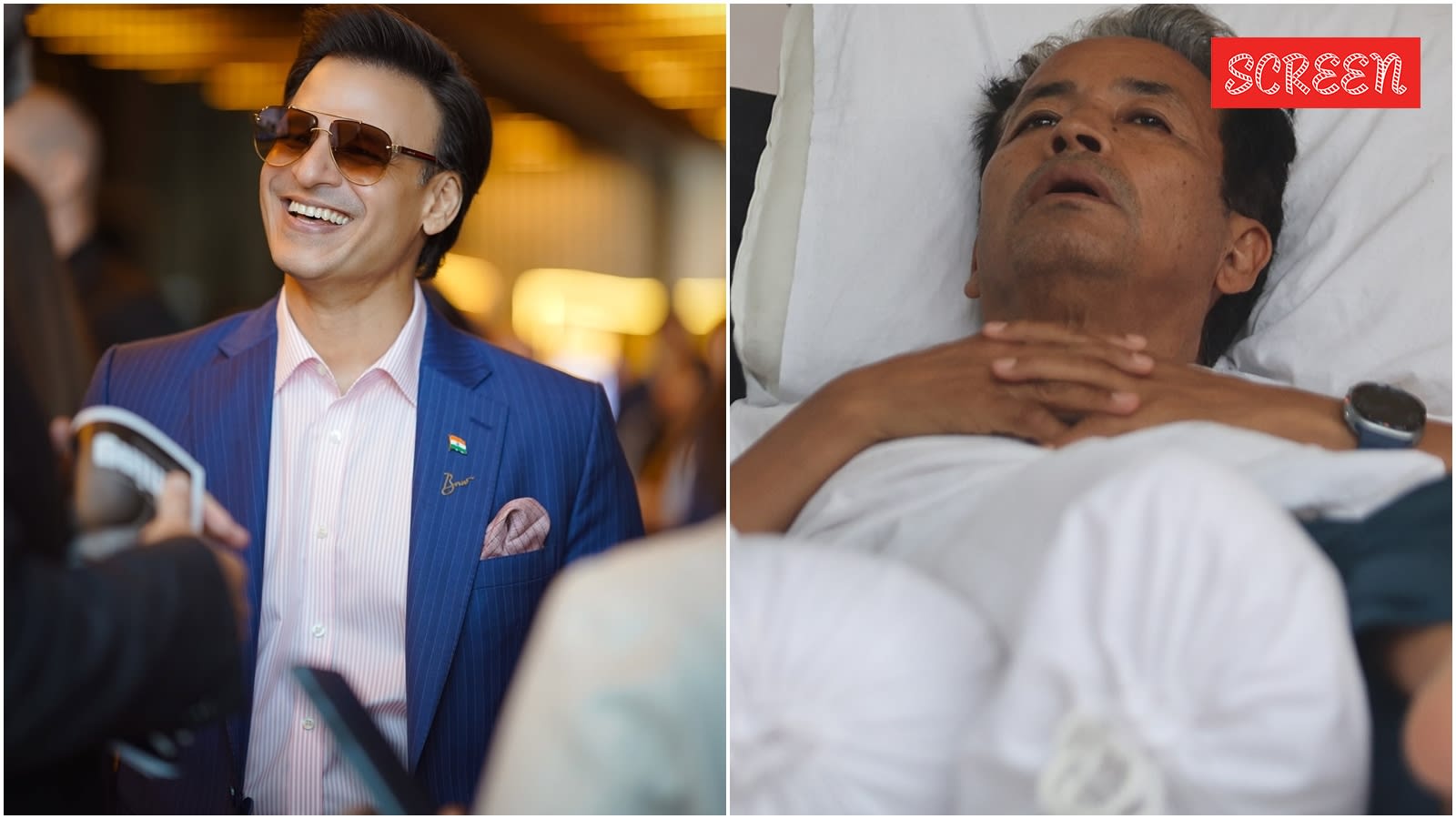
Actor Vivek Oberoi has responded to Sonam Wangchuk's hunger strike regarding the NEET-UG paper leak, stating he is an actor rather than a politician. While he avoided addressing specific demands, he noted that every voice deserves space in a healthy democracy.
The Intersection of Celebrity and Activism: Vivek Oberoi's Stance on the NEET-UG Protests
In the contemporary Indian socio-political landscape, the intersection of cinema and activism has always been a point of significant public interest. This dynamic has recently come to the forefront as education reformer and activist Sonam Wangchuk, along with the Cockroach Janta Party (CJP), continues a high-profile hunger strike. The protest, which has now surpassed 20 days, centers on the critical issue of the NEET-UG question paper leak, an event that has sparked nationwide outrage among students and educators. As the protest gains momentum, the spotlight has shifted toward public figures, questioning their willingness to stand in solidarity with the cause.
The Nuance of Neutrality: Vivek Oberoi's Reaction
Amidst growing public pressure for celebrities to speak out, actor-businessman Vivek Oberoi has provided a carefully calibrated response. By explicitly stating, "I am an actor, not a politician," Oberoi has attempted to draw a clear boundary between his professional identity and the sphere of political activism. His reaction is characterized by a refusal to engage with the specific demands of the protest, instead opting for a broader philosophical observation. He noted that in a "healthy democracy," every voice should have its place, suggesting that the act of protesting itself is a sign of a functioning democratic system, regardless of whether he personally aligns with the political specifics of the movement.
A Divided Cinematic Front
Oberoi's neutral stance stands in stark contrast to a growing list of industry peers who have taken more direct positions. Figures such as Naseeruddin Shah, Shabana Azmi, Prakash Raj, Sonakshi Sinha, and Fatima Sana Sheikh have already extended their solidarity to Sonam Wangchuk. This divide highlights a recurring tension within the Indian entertainment industry: the struggle between those who believe celebrities should use their platform for social advocacy and those who believe their role is strictly to entertain. The public's reaction to this divide has been visceral, with many citizens condemning stars who are perceived as "conveniently" ignoring the plight of students affected by the NEET-UG leak.
Contextualizing the NEET-UG Crisis
To understand the gravity of the situation Oberoi is reacting to, one must look at the implications of the NEET-UG paper leak. The National Eligibility cum Entrance Test (NEET) is a high-stakes examination that determines the future of thousands of aspiring medical students. A leak of this magnitude not only compromises the meritocratic nature of the process but also erodes trust in the national examination system. Sonam Wangchuk, known for his commitment to educational reform, has leveraged his influence to bring this systemic failure to the national stage, turning a policy failure into a human rights issue regarding the fair treatment of students.
Broader Implications and Future Trends
This event underscores a shifting trend in how the Indian public interacts with celebrities. In an era of social media accountability, "silence" is no longer viewed as neutrality but is often interpreted as a tacit endorsement of the status quo. The pressure on figures like Vivek Oberoi to comment reflects a broader societal expectation that those with immense visibility and wealth carry a moral obligation to address systemic injustices. Moving forward, we can expect a further polarization of celebrity personas—some leaning into the role of the 'activist-artist' while others will likely double down on the 'professional-entertainer' boundary to avoid political fallout.
Conclusion
Vivek Oberoi's reaction serves as a case study in the navigation of public image during times of social unrest. While he successfully avoids political commitment by framing his response around the general principle of democratic freedom, the contrast with his peers highlights the intensifying pressure on public figures to engage with national crises. As the hunger strike continues, the discourse will likely move beyond the specific demands of the NEET-UG leak to a larger conversation about the responsibility of the influential in a democratic society.