Volvo Cars shares plunge 31% amid China, U.S. slump and fresh job cuts
Source Entity
US Top News and Analysis
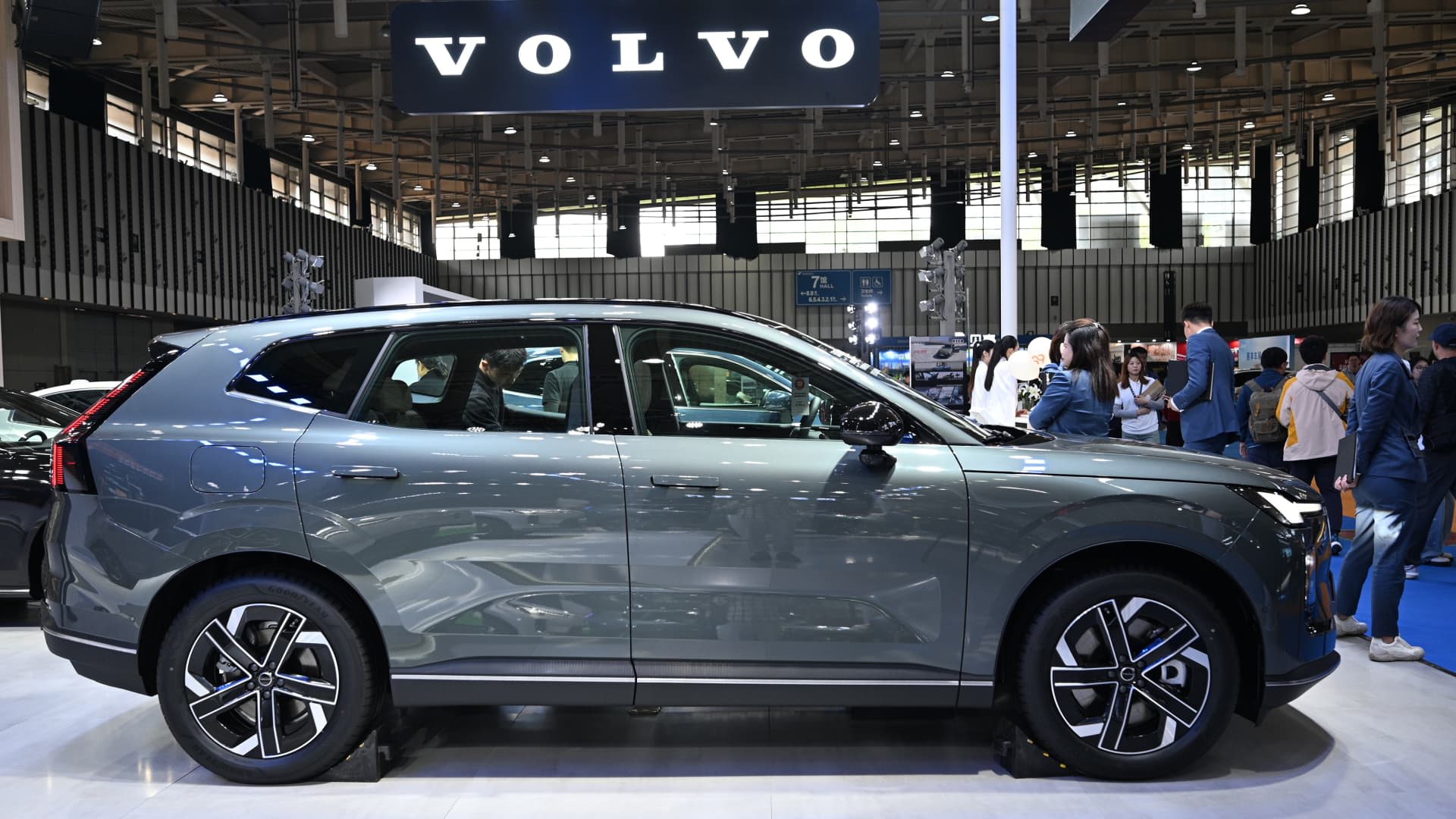
Volvo Cars shares plummeted 31% after reporting a significant quarterly loss and announcing 2,500 job cuts. The automaker cited deteriorating market conditions in China and the U.S., alongside a shift in its EV transition strategy.
Volvo Cars Faces Financial Headwinds Amid Global Market Shifts
Volvo Cars, the iconic Swedish automaker, has entered a period of profound turbulence, evidenced by a staggering 31% decline in its share price. This market reaction follows a dismal third-quarter report, which revealed an operating loss of 5.6 billion Swedish Kronor ($563.7 million), a stark reversal from the 6.4 billion Swedish Kronor profit recorded in the previous period. The company’s leadership has pointed to a deteriorating global economic environment as the primary catalyst for these losses.
The Impact of Geopolitical and Market Pressures
The dual pressures of the Chinese and U.S. markets have created a "tougher" landscape that has severely constrained the company's free cash flow. In China, once a primary growth engine for premium European vehicles, increasing domestic competition and cooling consumer demand have undercut Volvo’s sales volume. Simultaneously, the U.S. market—impacted by evolving trade policies and the looming threat of tariffs—has further complicated the automaker's ability to maintain its historical profit margins.
Strategic Realignment and Workforce Reductions
In response to these mounting fiscal challenges, Volvo has announced a significant restructuring plan that includes the elimination of 2,500 jobs, with the majority of these cuts concentrated in Sweden. This reduction is a defensive maneuver intended to streamline operations and preserve liquidity during a cycle of negative cash flow. By cutting costs, the company aims to stabilize its balance sheet against the backdrop of an uncertain global automotive climate.
Abandoning the All-Electric Mandate
Compounding these operational adjustments is a major shift in long-term product strategy. In 2024, Volvo formally abandoned its ambitious target to transition exclusively to electric vehicle (EV) sales by the end of the decade. This decision highlights the broader industry struggle to balance aggressive decarbonization goals with current consumer appetite and the economic realities of manufacturing high-cost electric platforms in a stagnant global economy.
Broader Implications and Future Outlook
The pivot away from a pure EV transition, combined with massive job losses, signals a period of consolidation for legacy automakers. Volvo’s situation reflects a widespread industry trend where high capital expenditure requirements for electrification are colliding with slowing demand and geopolitical instability. As the company navigates this restructuring, its ability to return to profitability will depend on its capacity to adapt to these volatile regional markets while managing the high costs associated with its existing workforce and infrastructure.
Conclusion
Volvo Cars stands at a critical juncture. The combination of a 31% stock plunge, significant quarterly losses, and a retreat from its EV-only goals underscores the fragility of the current automotive recovery. Whether this restructuring effort will sufficiently insulate the firm from future market shocks remains to be seen, but for now, the focus remains firmly on fiscal survival rather than rapid expansion.