Buffett favors an estate tax, but like virtually all billionaires, he won't be paying it
Source Entity
US Top News and Analysis
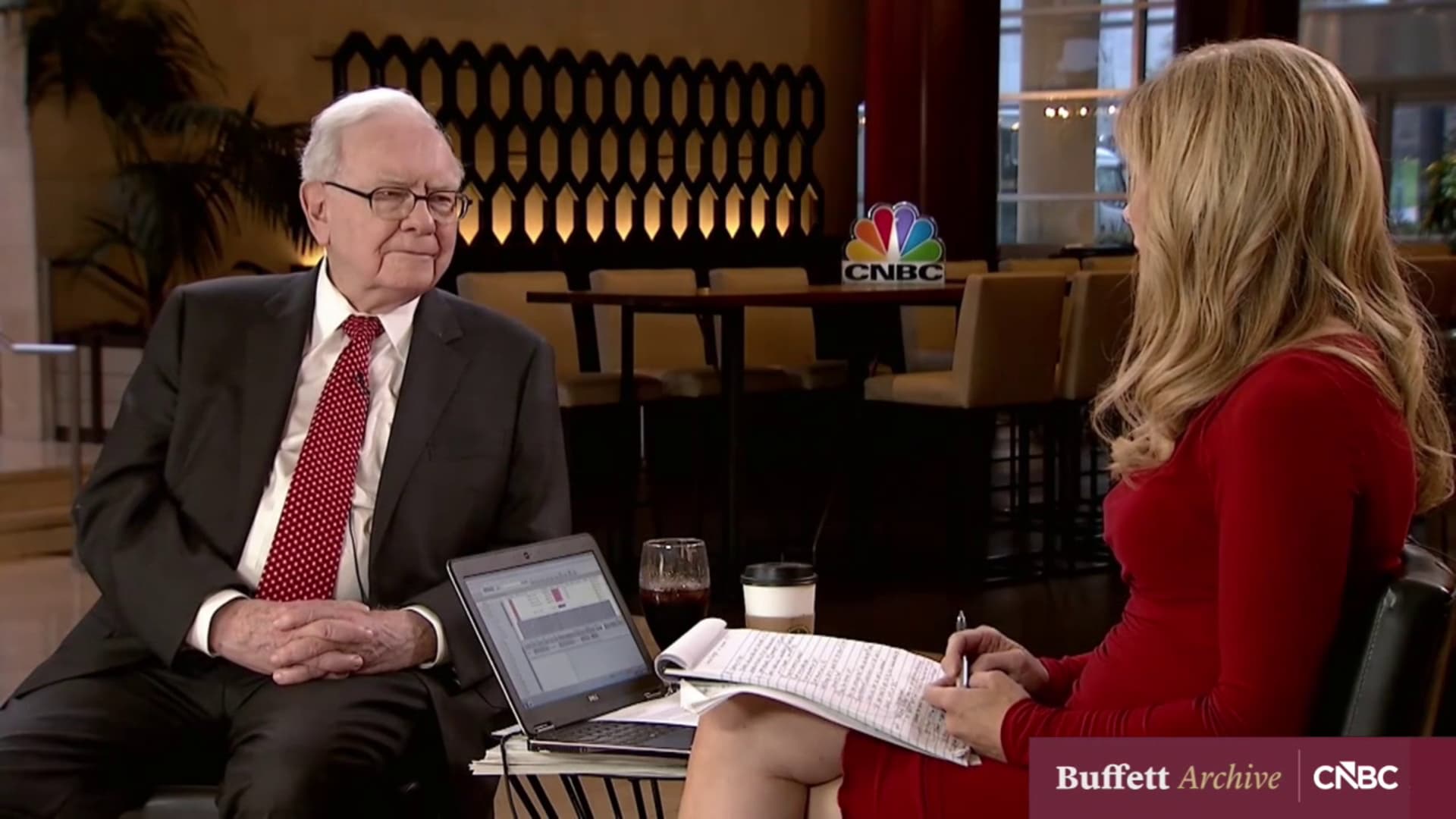
Warren Buffett advocates for maintaining the estate tax, arguing that the ultra-wealthy are currently under-taxed. However, he acknowledges that his personal strategy of donating his fortune to charity effectively shields his estate from these levies.
The Estate Tax Paradox: Warren Buffett’s Stance on Wealth Redistribution
Warren Buffett has long been a vocal proponent of higher taxes for the ultra-wealthy, famously arguing that the current American tax structure is regressive. In recent discussions regarding tax reform, Buffett explicitly pushed back against the characterization of proposed changes as beneficial, labeling them as tax cuts rather than necessary reform. His primary concern lies in the potential repeal of the estate tax, a mechanism he believes is essential for maintaining a fair economic playing field.
Deconstructing the 'Death Tax' Narrative
Buffett challenges the popular, pejorative term 'death tax,' noting that its usage is largely a rhetorical device meant to garner public sympathy. By providing statistical context—noting that out of 2.6 million annual deaths in the United States, only approximately 5,000 estates are subject to the tax—Buffett illustrates that the levy is an extremely rare event. He emphasizes that the average American will almost never encounter an estate subject to this taxation, debunking the myth that it is a burden on the working or middle classes.
The Billionaire's Philanthropic Shield
Despite his advocacy for the estate tax, Buffett openly admits that he will not personally pay it. His strategy involves donating the entirety of his estimated $75 billion fortune to charitable causes rather than passing it down to heirs. This highlights a fundamental tension in tax policy: while the wealthy may support taxation to prevent dynastic wealth accumulation, the existing tax code provides ample legal pathways, such as charitable foundations, to bypass these levies entirely.
Implications of Wealth Concentration
Buffett’s analysis touches upon the broader societal impact of wealth concentration. By advocating for the estate tax, he is essentially arguing for a check on the transfer of massive, intergenerational fortunes that could potentially distort democratic processes and economic mobility. His perspective serves as a critique of how the current tax system rewards those who can afford complex estate planning over those who rely on earned income.
The Future of Fiscal Policy
As the debate over tax reform continues, Buffett's position remains a cornerstone of the argument for progressive taxation. His willingness to acknowledge his own immunity to the estate tax adds a layer of transparency to the debate, forcing a conversation about whether the tax system should focus on revenue generation or social engineering. Ultimately, Buffett’s stance suggests that if the goal is true wealth redistribution, closing loopholes—such as the excessive use of charitable giving as a tax shield—may be just as important as the existence of the estate tax itself.