Warsh tightened more by pausing than by lifting rates, this bond-market veteran argues. Here’s the math.
Source Entity
Steve Goldstein
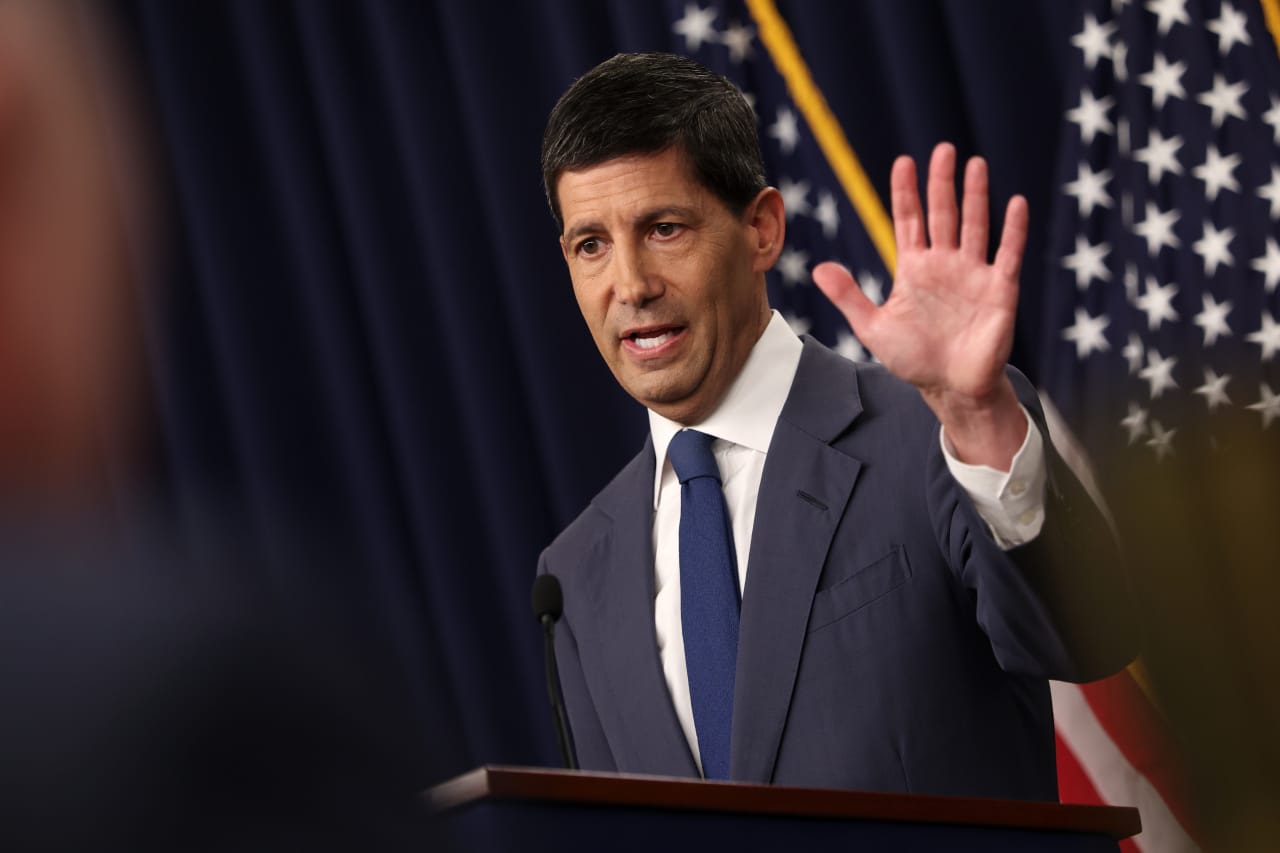
Market analysts suggest that Kevin Warsh's decision to pause interest rate hikes may have inadvertently tightened economic conditions more than a rate increase would have. This counterintuitive phenomenon highlights the complex relationship between Federal Reserve policy expectations and bond market reactions.
The Paradox of Policy Pauses
In a counterintuitive turn for monetary policy, market observers are analyzing the argument that Federal Reserve Chair Kevin Warsh may have effectively tightened the economy more by pausing interest rate hikes than he would have by implementing an increase. This perspective challenges the conventional wisdom that higher rates are the primary tool for tightening, suggesting instead that the signaling effect of a pause carries its own distinct economic weight.
The Mechanics of Market Expectations
The core of this argument lies in how the bond market interprets central bank behavior. When a central bank opts to pause, it does not always signal an end to restrictive measures; rather, it can introduce uncertainty regarding future policy paths. If investors perceive that a pause is not a sign of dovishness but rather a strategic holding pattern, they may adjust their long-term expectations, leading to a rise in bond yields that exerts pressure on the broader economy without the Fed needing to move the federal funds rate.
The Impact of Signaling
Kevin Warsh’s approach underscores the importance of communication in modern central banking. By choosing to hold rates steady, the Federal Reserve influences market sentiment and the term premium on government bonds. If the market interprets this pause as an indication that the Fed is keeping its options open to combat persistent inflation, it can lead to a tightening of financial conditions through higher borrowing costs for corporations and households, effectively doing the work of a rate hike through market-driven mechanisms.
Historical Context and Policy Nuance
Historically, central banks have relied on the federal funds rate as the primary lever for economic control. However, in an era where market participants are hyper-sensitive to every nuance of Fed commentary, the policy decision itself is only part of the equation. The "math" behind this argument suggests that the volatility or yield curve adjustments following a pause can sometimes manifest as a more restrictive environment than a small, predictable increase in the benchmark rate.
Future Implications for Economic Policy
This phenomenon suggests a shift in how we view the efficacy of monetary policy. If pausing can induce tightening, then central banks have a more complex set of tools at their disposal than previously recognized. Future trends may show that policymakers increasingly rely on the "pause" as a surgical tool to manage market expectations, aiming to cool specific sectors without the blunt-force trauma often associated with aggressive rate hikes.
Conclusion
Ultimately, the case of Kevin Warsh’s policy decisions serves as a reminder that the economy is driven as much by perception and anticipation as it is by direct action. As market participants continue to parse the implications of these pauses, the financial world must adapt to a landscape where inaction can be, in its own right, a significant driver of economic tightening.
Verification Required?