Water crisis deepens in drought-hit Thalavadi hills
Source Entity
India Latest News: Top National Headlines Today & Breaking News | The Hindu
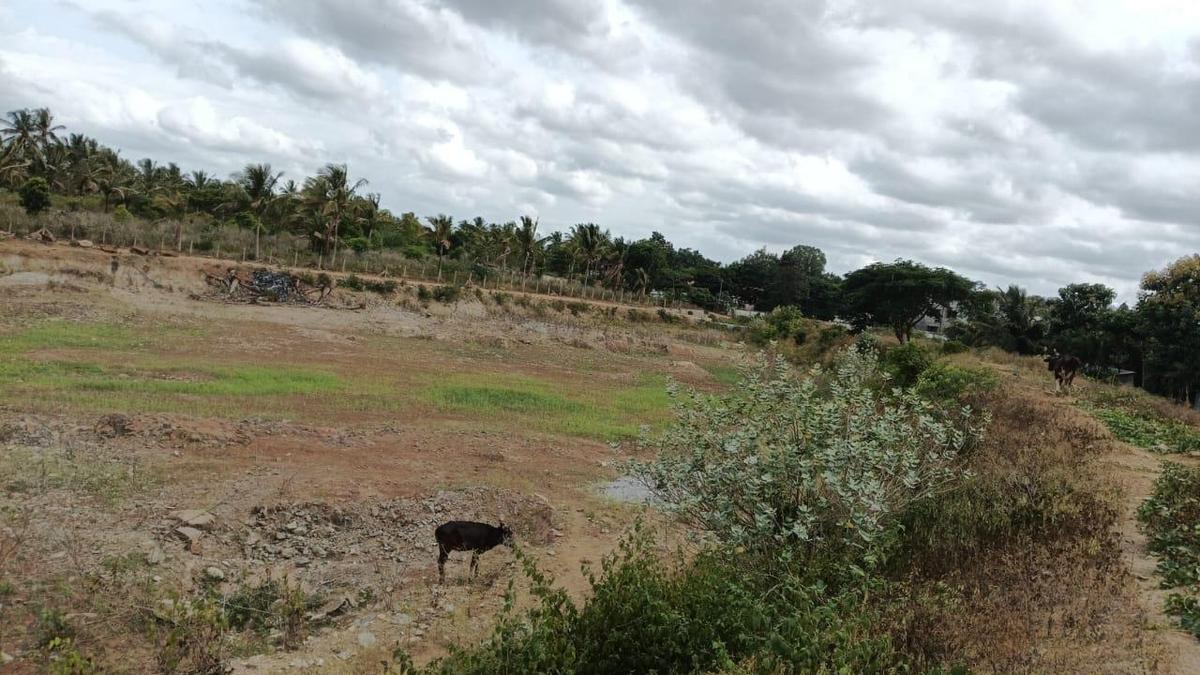
The Thalavadi hill region is facing a severe water crisis due to a prolonged drought that has depleted groundwater levels. Local authorities are relying on tanker supplies to sustain a population of 68,000 as borewells continue to fail.
The Escalating Drought Crisis in Thalavadi
The Thalavadi hill region is currently grappling with a severe and intensifying water crisis, driven by a prolonged dry spell that has left the local infrastructure struggling to meet basic human needs. With a population of approximately 68,000 residents distributed across 10 panchayats and 118 villages, the strain on existing resources has reached a critical tipping point. The situation is exacerbated by the total failure of natural water sources and the exhaustion of traditional extraction methods.
Geological Failure and Groundwater Depletion
One of the most concerning aspects of this crisis is the failure of borewells at extreme depths. Despite drilling down to 800 to 1,000 feet, the aquifers remain dry, signaling a catastrophic drop in the regional groundwater table. This phenomenon indicates that the drought is not merely a surface-level issue but a deep-seated depletion of the area’s hydrogeological reserves. Agricultural wells and local waterbodies have similarly dried up, leaving the region with no internal capacity to support its inhabitants.
The Logistics of Emergency Water Distribution
In the absence of functional wells, the Block Development Officer has been forced to orchestrate a complex logistics operation to provide drinking water. Large villages in the block currently require four to five tanker loads of water daily, while smaller habitations require two to three. This reliance on tankers creates a fragile supply chain, as the panchayats are forced to source water from functioning wells in neighboring villages, further stressing the regional water network and increasing the logistical burden on local authorities.
Meteorological Context and Long-term Impact
The primary driver of this emergency is the absence of significant rainfall for over a year. This sustained lack of precipitation has prevented the natural recharge of aquifers, creating a cycle of scarcity that is difficult to break. Because Thalavadi is a hill region, the topography often makes water retention challenging, and without consistent monsoonal or seasonal rains, the ecosystem remains highly vulnerable to these prolonged arid cycles.
Broader Implications and Future Trends
If the dry spell persists, the implications for the region’s stability are profound. The current reliance on tanker supplies is an unsustainable stop-gap measure that cannot replace a functional groundwater system. Future trends suggest that unless there is significant investment in water harvesting infrastructure and regional water management, the residents of Thalavadi will continue to face extreme hardship. The crisis highlights the urgent need for long-term climate adaptation strategies to buffer the population against the increasing volatility of rainfall patterns in hilly terrains.
Conclusion
The water crisis in Thalavadi serves as a stark reminder of the vulnerability of rural hill populations to climate-induced drought. While current emergency measures are preventing immediate disaster, the systemic failure of groundwater resources requires a comprehensive, long-term intervention to ensure the survival and well-being of the 68,000 residents living in the block.
Verification Required?