Waymo confirms it will start splitting with Uber in January 2028
Source Entity
Sean O'Kane
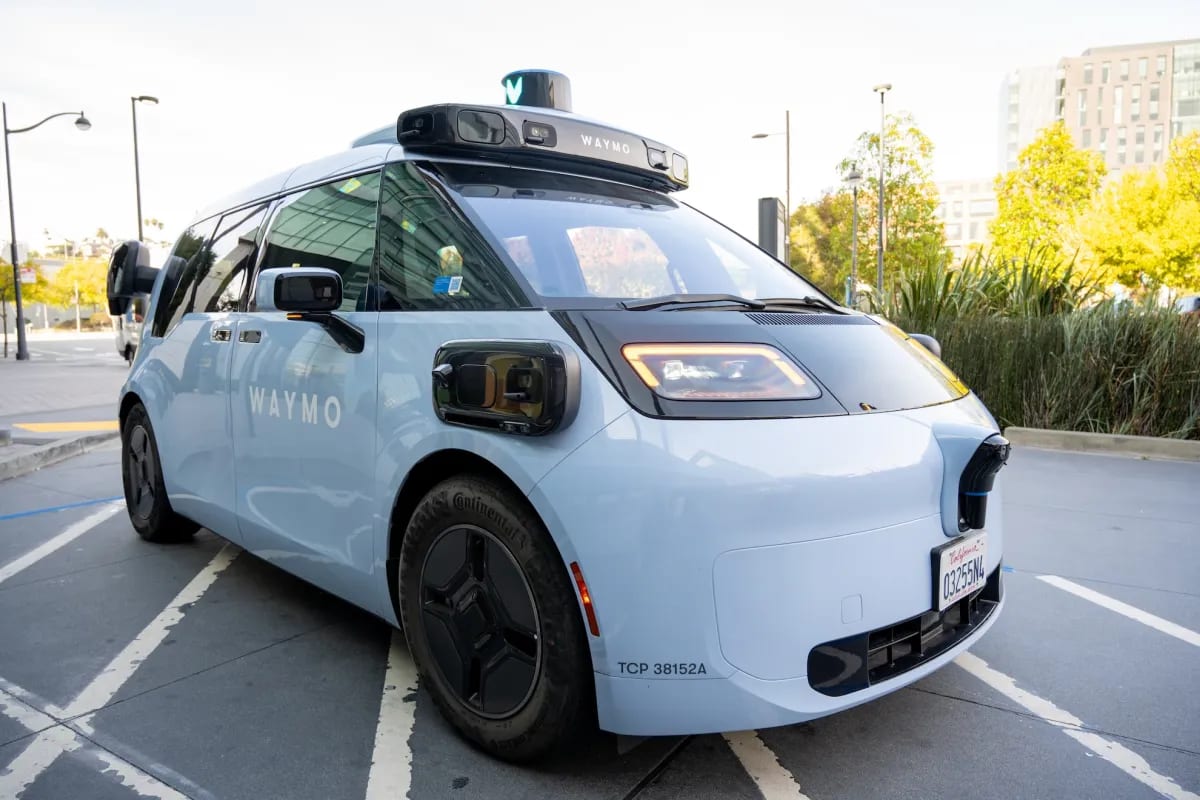
Waymo has announced it will move to a direct-to-consumer model in Austin and Atlanta starting January 2028, ending its current integration with Uber in those markets. This shift aims to unify the brand experience by migrating all booking services exclusively to the Waymo app.
The Strategic Pivot: Waymo and Uber Part Ways
Waymo, the autonomous vehicle division under Alphabet, has officially confirmed that it will begin phasing out its integration with Uber in the Austin and Atlanta markets starting in January 2028. This transition marks a significant shift in how the company approaches market scaling and user acquisition, moving away from the third-party platform model that it initially embraced to gain rapid access to a broader user base.
The Rationale Behind the Split
According to co-CEO Tekedra Mawakana, the initial decision to partner with Uber was driven by a need for scale. Uber provided a massive, pre-existing network of users that helped Waymo establish a foothold in new urban environments. However, Mawakana noted that the current integration has led to a fragmented experience for riders. The inconsistency—where a user might hail a robotaxi or be matched with a human-driven vehicle—has created a "crapshoot" scenario that complicates brand identity and service predictability.
Moving Toward a Direct-to-Consumer Model
By moving ride requests exclusively to its own smartphone app, Waymo is signaling a desire to control the entire end-to-end user journey. This is consistent with its operations in other cities where Waymo serves as the primary interface for its robotaxi services. This control is crucial for maintaining the premium, tech-forward brand image the company has cultivated, ensuring that every interaction within the ecosystem is optimized for the autonomous experience.
Implications for the Competitive Landscape
This shift effectively sets up direct competition between the two giants in the Austin and Atlanta markets. While Uber has confirmed it intends to continue hosting Waymo vehicles on its platform as long as both parties agree, the move indicates that Waymo is prioritizing its own infrastructure. Uber, meanwhile, continues to maintain a diverse network of other autonomous vehicle partners, suggesting that its platform-agnostic strategy remains intact regardless of Waymo’s departure.
Future Trends and Market Evolution
The decision to end the partnership before the original May 2028 expiration date highlights a maturing industry. As autonomous vehicle technology moves from experimental phases to mass-market utility, companies are increasingly focused on unit economics and brand loyalty. The transition suggests that Waymo believes its own app ecosystem is now robust enough to sustain demand without the "scale" provided by Uber’s massive user base.
Conclusion
In summary, the transition set for January 2028 represents a maturation of the autonomous ride-hailing sector. By reclaiming control over the rider experience, Waymo is betting that its specialized service will foster higher user retention than a generic ride-hailing marketplace. As the industry continues to evolve, this move will likely serve as a case study for whether autonomous providers are better off as integrated features of larger platforms or as standalone, destination-based applications.
Multiple Citing Sources