Waymo confirms it’s shaking up its Uber relationship in January 2028
Source Entity
Sean O'Kane
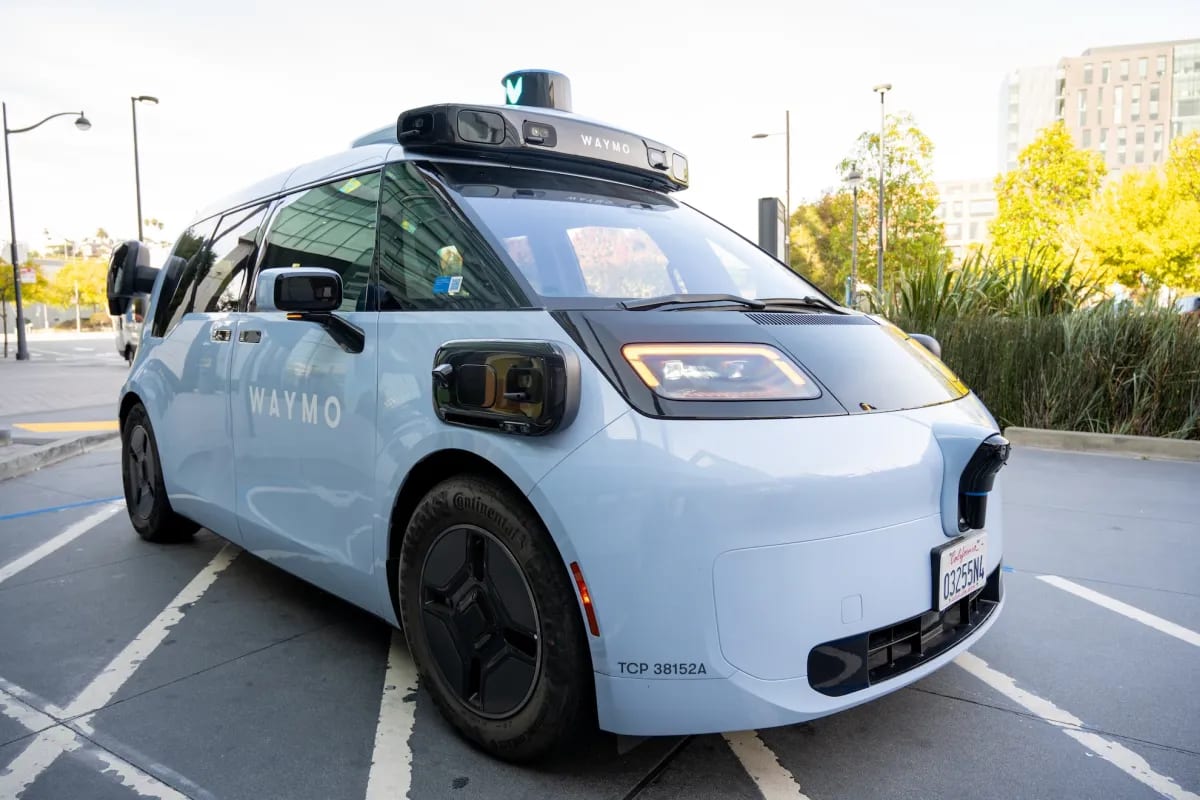
Waymo will begin transitioning away from its Uber partnership in Austin and Atlanta starting January 2028. The company intends to shift users toward its proprietary app to ensure a consistent rider experience.
The Shift in Autonomous Mobility
Waymo, the Alphabet-owned autonomous driving pioneer, has confirmed a significant strategic pivot regarding its partnership with ride-hailing giant Uber. Beginning in January 2028, Waymo will begin decoupling its services from the Uber platform in the Austin and Atlanta markets. This decision marks a departure from the collaborative model that has defined the last few years of robotaxi deployment, signaling a move toward greater vertical integration for Waymo.
The Rationale Behind the Split
According to Waymo co-CEO Tekedra Mawakana, the initial partnership with Uber was primarily motivated by the need for scale. By leveraging Uber’s massive existing user base, Waymo was able to accelerate its market entry in new regions. However, the operational reality proved complex. Mawakana noted that the current hybrid experience—where riders cannot always distinguish between an autonomous vehicle and a human-driven car—has been inconsistent for consumers, describing the current user journey as a "crapshoot."
Strategic Autonomy and Brand Control
By moving ride requests exclusively to the Waymo app, the company aims to exert total control over the end-to-end user experience. This transition aligns with Waymo’s broader business model, which has successfully utilized its own standalone application in other markets to manage fleet logistics and customer expectations. Controlling the software interface allows Waymo to differentiate its technology from the broader pool of human-driven vehicles available on third-party platforms.
The Competitive Landscape
This move essentially sets up a direct competitive dynamic between Waymo and Uber in Austin and Atlanta. While Uber has signaled that it intends to continue hosting Waymo vehicles on its network as long as an agreement exists, the impending split suggests that the two companies are increasingly viewing each other as rivals rather than partners. Uber, for its part, maintains a diverse ecosystem of autonomous vehicle partners, ensuring that its platform remains a hub for various self-driving technologies even as Waymo seeks to branch out.
Future Trends in Robotaxi Deployment
This development suggests a maturing market for autonomous transport. Initially, tech developers needed the logistical muscle of established ride-hailing companies to overcome barriers to entry and regulatory hurdles. Now that Waymo has established a foothold in major cities, it is prioritizing brand identity and operational consistency over the sheer volume that third-party platforms provide. This shift indicates that as autonomous technology becomes more commonplace, companies will prioritize proprietary ecosystems to capture customer loyalty and data insights directly.
Conclusion
As the January 2028 deadline approaches, the move by Waymo underscores the evolving nature of the autonomous vehicle industry. While the partnership served as a vital bridge for early adoption, the transition to a standalone model reflects the industry's shift toward long-term sustainability and brand-centric service models. Market observers will be watching closely to see how this transition impacts rider adoption rates and whether Uber’s diversified approach to autonomous partners can effectively mitigate the loss of Waymo’s exclusive integration.
Multiple Citing Sources