In an era of 10-minute deliveries, why weekly markets have become my ‘dopamine hit’
Source Entity
Shruti Kaushal
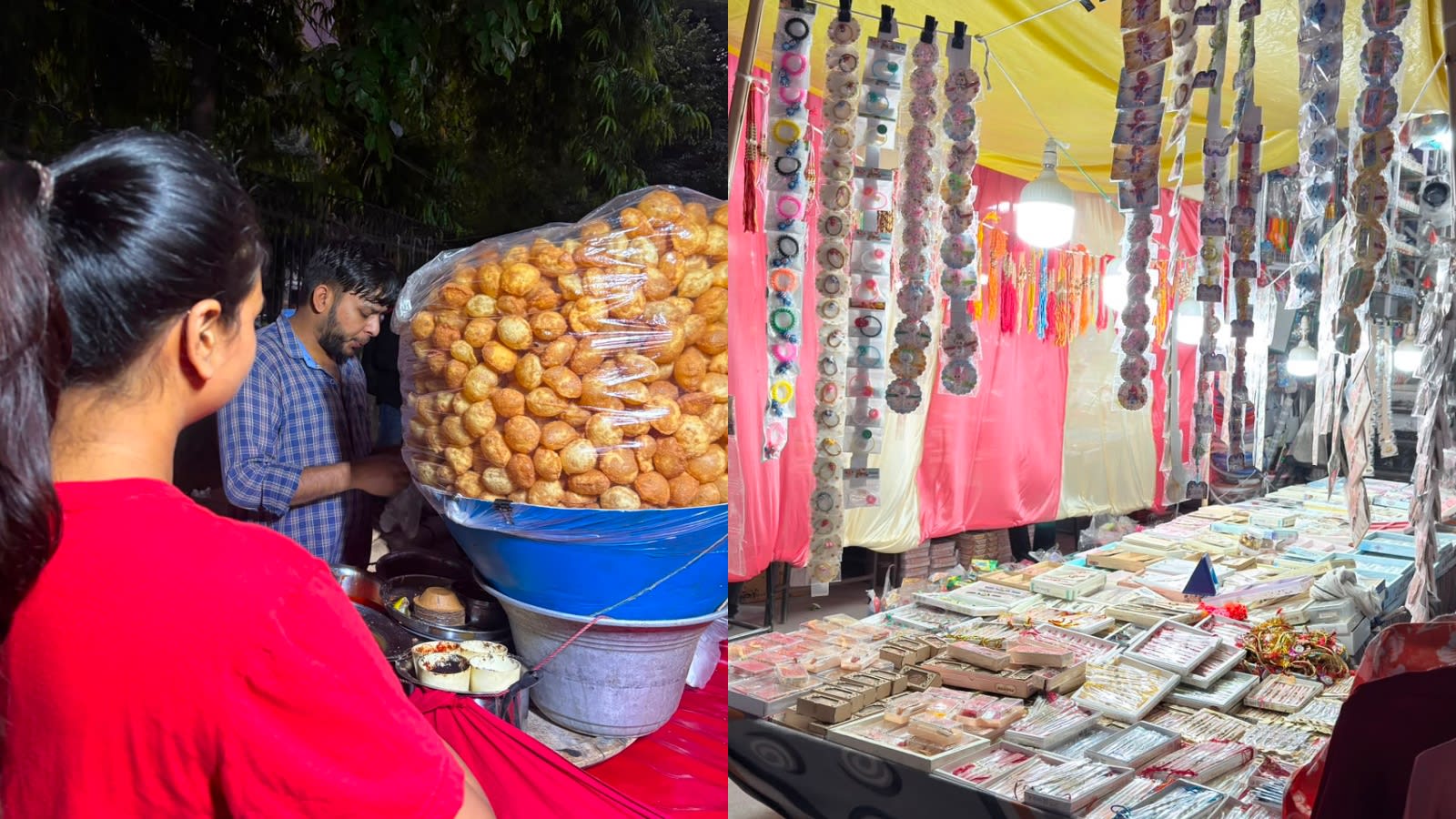
Weekly markets in Delhi offer a unique, sensory-rich experience that contrasts with the sterile efficiency of modern 10-minute delivery apps. This shift highlights a growing consumer desire for human connection and 'inconvenient' shopping experiences in a digital-first world.
The Resurgence of the Weekly Market
In an age defined by the relentless pursuit of speed, the weekly market in Delhi has emerged as an unlikely sanctuary for urban dwellers. While platforms like Blinkit and Swiggy Instamart have revolutionized the logistics of daily life, providing unparalleled convenience for the Gen Z demographic, there is a burgeoning counter-movement seeking the 'inconvenience' of traditional commerce. This shift is not merely about purchasing goods; it is a search for an authentic, tangible human experience in an increasingly digitized reality.
The Allure of Sensory Complexity
Unlike the hyper-optimized algorithms of quick-commerce apps, the weekly market is defined by its chaotic charm. These spaces are characterized by their lack of neat aisles, air-conditioning, and the sterile predictability of modern retail. For a resident who moved from Chennai to Delhi six years ago, these markets have transitioned from a utilitarian necessity to a psychological 'dopamine hit.' The sensory overload—the noise, the crowds, and the unpredictable nature of the stalls—serves as a grounding mechanism that modern delivery platforms cannot replicate.
Convenience vs. Connection
There is a profound irony in how we define 'convenience' today. While quick-commerce models are designed to minimize human friction, they often lead to a sense of isolation and dependency. The weekly market, by contrast, demands time and physical presence. This 'inconvenience' is, in fact, a form of engagement. It forces the shopper to interact with their environment, negotiate prices, and observe the social fabric of the city, transforming a mundane errand into a meaningful ritual.
The Impact on Modern Consumerism
This trend suggests that despite the rapid adoption of instant delivery services, consumers are not ready to abandon the physical marketplace entirely. The reliance on instant services remains high for emergency needs, yet the weekly market satisfies a different type of consumer hunger. It represents a rejection of the 'frictionless' life in favor of an experience that is deeply rooted in community and human interaction.
Looking Ahead: The Future of Urban Retail
As we look to the future, the retail landscape will likely remain bifurcated. The growth of quick-commerce will continue to address the logistical needs of a fast-paced society, but the popularity of local markets proves that urban dwellers crave sensory variety. Future urban planning and retail trends may need to balance the need for high-speed delivery with the preservation of these organic, bustling community spaces that provide essential social and psychological benefits to residents.