West Bengal Finance Minister places CAG reports in Assembly
Source Entity
India Latest News: Top National Headlines Today & Breaking News | The Hindu
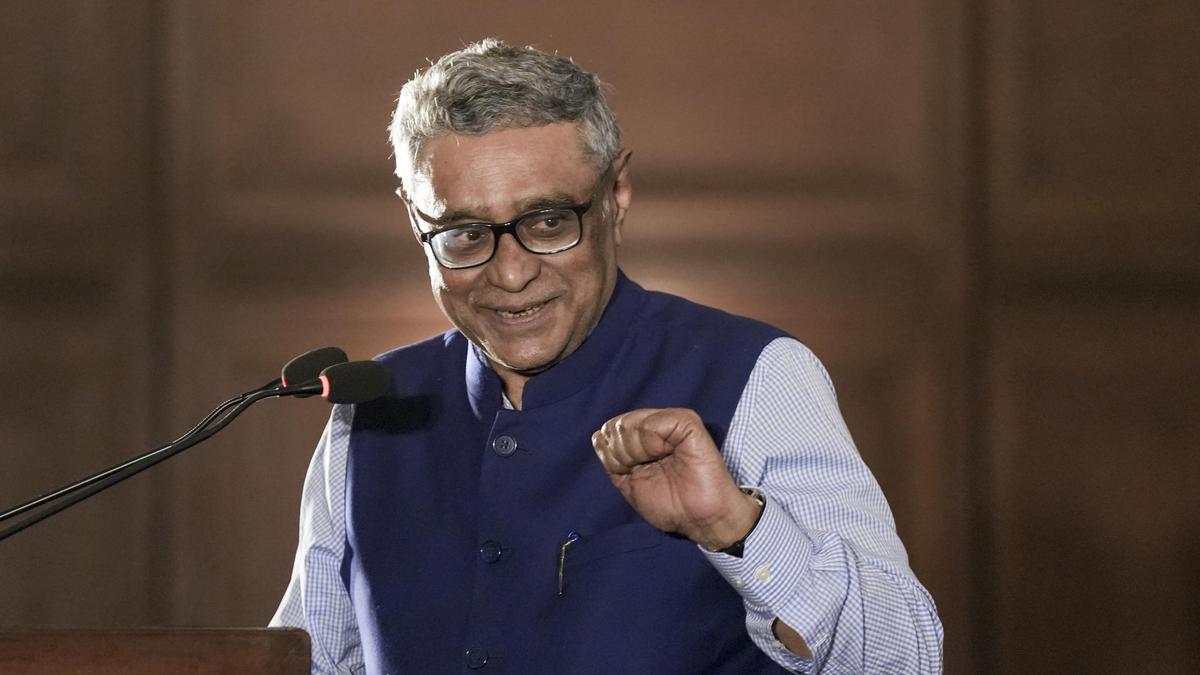
West Bengal Finance Minister Swapan Dasgupta has tabled 28 volumes of long-overdue CAG reports in the State Assembly. The government aims to address the state's significant debt crisis and plans a special session for further legislative scrutiny.
Transparency and Accountability: The CAG Report Tabling in West Bengal
On July 25, 2026, West Bengal Finance Minister Swapan Dasgupta took a significant step toward legislative transparency by placing 28 volumes of Comptroller and Auditor General (CAG) reports before the State Assembly. This move marks a departure from recent years, during which the presentation of these critical financial oversight documents had stalled. By bringing these reports into the public record, the administration is signaling a commitment to fiscal accountability that has been absent from the parliamentary process for some time.
Addressing the Constitutional Lapse
Finance Minister Dasgupta explicitly categorized the previous failure to present these reports as a "constitutional lapse." In the context of Indian parliamentary democracy, the CAG serves as the primary watchdog of public finances, ensuring that government spending adheres to legal and constitutional mandates. The omission of these reports in the past effectively shielded state financial management from the necessary scrutiny of the Assembly, leaving a gap in democratic oversight that the current administration is now attempting to bridge.
The Debt Crisis Context
At the core of this legislative action is the pressing issue of West Bengal’s financial health, specifically a debt burden exceeding ₹8 lakh crore. The Finance Minister noted that a thorough perusal of the tabled reports will likely "lay bare" the systemic reasons behind this massive accumulation of debt. By making these documents public, the government is providing the foundational data required for economists and political analysts to map out how the state arrived at such a precarious fiscal position.
Future Legislative Deliberations
Beyond merely placing the documents on the table, the government has expressed a clear intent to hold a special session of the Assembly dedicated to debating these CAG findings. This is a critical development, as the mere existence of a report does not equate to actionable change. A dedicated session would allow for robust debate between the treasury and opposition benches, potentially leading to policy corrections and a more rigorous approach to state expenditure management.
Implications for Governance
The Minister’s statement that it is the government's "duty to place the government's mistakes before the people" represents a significant shift in political rhetoric. By acknowledging past errors, the administration is attempting to rebuild institutional trust. Whether this leads to a sustainable reduction in the state's debt or remains a symbolic political gesture will depend on the intensity of the upcoming special session and the willingness of the political class to implement the CAG's recommendations for financial reform.
Conclusion
The tabling of these 28 volumes is a pivotal moment for West Bengal’s fiscal governance. By addressing the backlog of audits, the government is not only fulfilling a constitutional requirement but is also inviting a necessary conversation about long-term fiscal sustainability. The upcoming special session will be the true test of this new commitment to transparency, serving as a barometer for how the state intends to manage its substantial debt obligations in the years ahead.
Verification Required?