Why bulls charge at red capes
Source Entity
The Indian Express
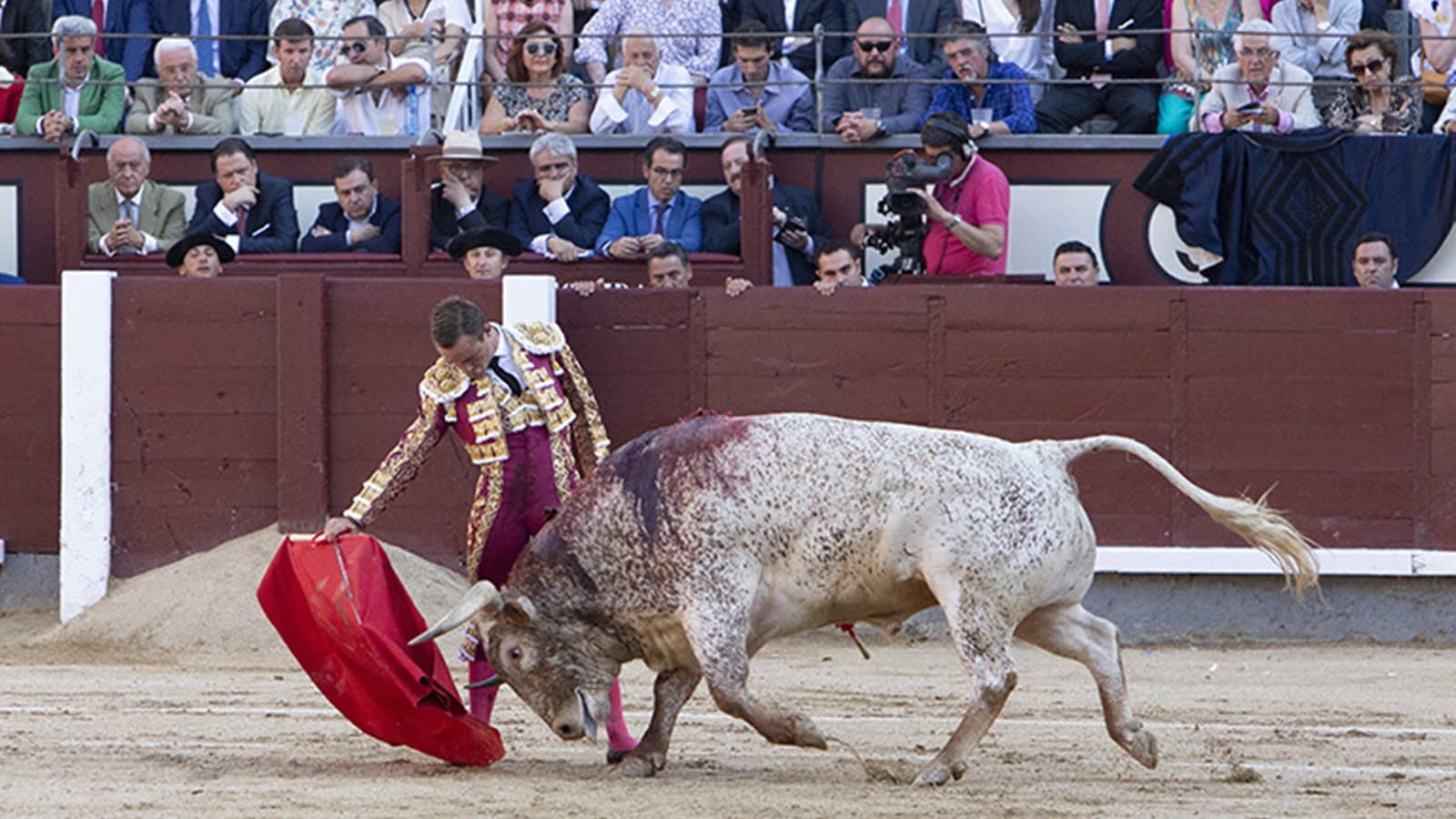
Contrary to popular belief, bulls are not enraged by the color red because they are colorblind to it. Their aggressive charges are triggered by the movement of the muleta rather than its hue. This myth persists due to cultural tradition rather than biological reality.
The Myth of the Crimson Rage
For centuries, the image of a matador waving a vibrant red cape—the muleta—before a charging bull has served as a cornerstone of cultural iconography. This dramatic standoff suggests a biological provocation: that the color red acts as a trigger for the bull's aggression. However, modern zoological science has thoroughly debunked this narrative, revealing that the bull's reaction is entirely divorced from the spectrum of light presented by the fabric.
The Science of Bovine Vision
To understand why the red cape is a non-factor, one must look at the biological makeup of the bovine eye. Unlike humans, who possess trichromatic vision, bulls are dichromatic. They lack the specialized receptors required to perceive the color red. To a bull, the world is rendered in shades of gray, yellow, and blue. Consequently, the matador’s cape, despite its iconic crimson hue, appears as a dull, indistinct color to the animal, rendering the color-based theory of aggression scientifically impossible.
Movement as the Primary Catalyst
If the color is not the trigger, why does the bull charge? The answer lies in the animal's innate predatory instinct and reaction to movement. Bulls are prey animals that have evolved to respond to sudden, erratic motion as a potential threat. The muleta is not merely a piece of cloth; it is a tool used by the matador to create sharp, fluttering movements. When the matador snaps the cape, the bull interprets this rapid motion as a challenge or an attack, triggering a defensive charge aimed at the source of the disruption.
The Persistence of Cultural Tradition
Despite the scientific consensus, the myth of the red cape persists. This is largely due to the theatrical nature of bullfighting, where the aesthetic of the muleta serves a functional purpose for the human audience rather than the bull. The red color is historically significant in Spanish bullfighting traditions, often chosen to mask the blood of the animal during the final stages of the event. Thus, the color serves human cultural needs, while the bull’s reaction remains a biological response to the movement of the cloth.
Broader Implications of Misconception
This phenomenon serves as a prime example of how cultural narratives can override scientific reality in the public consciousness. By prioritizing tradition over anatomical fact, society has sustained a misconception that has lasted for generations. Recognizing the truth about bull vision does not diminish the spectacle of the bullfight, but it does highlight the importance of scientific literacy in interpreting the natural world.
Future Trends in Ethology
As our understanding of animal behavior and neurobiology advances, myths regarding animal reactions are increasingly being scrutinized. Future research in ethology will likely continue to clarify how various species perceive their environments, moving beyond human-centric interpretations of behavior. By shifting the focus from anthropomorphic assumptions to objective observation, we gain a more accurate understanding of the instinctual drivers that govern animal actions.